
Reviewed · KIGALI TOURS
A Day in the Life of a Local Artisan
The most useful part of this Kigali-area experience is that you do not simply watch rural life from a vehicle. You work alongside a Rwandan family or women’s cooperative, helping with chores, preparing food, and learning a craft. The day is built around conversation, patience, and shared work rather than a quick photo stop.
I like the small maximum of six people, which gives you room to ask questions and work directly with your hosts. I also like the practical mix of activities: farming, fetching water, cooking, eating cassava and beans, and weaving a simple sisal item. The main catch is that transport from Kigali is not included, so you must arrange that separately or reach the meeting point in Gitarama, also known as Muhanga.
Key details before you book
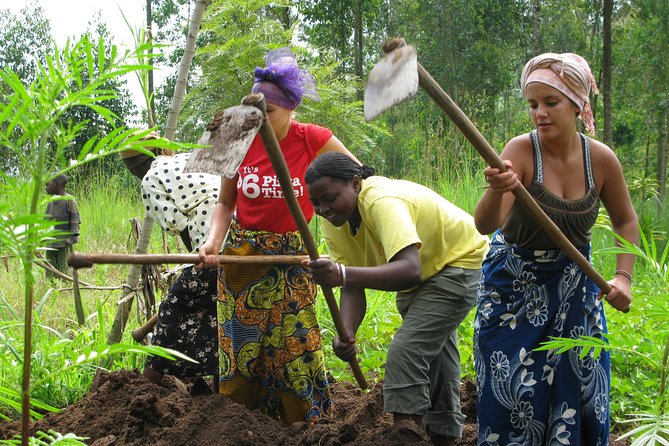
- You take part in real household chores, including farming, water collection, food preparation, and possibly cutting grass for cattle.
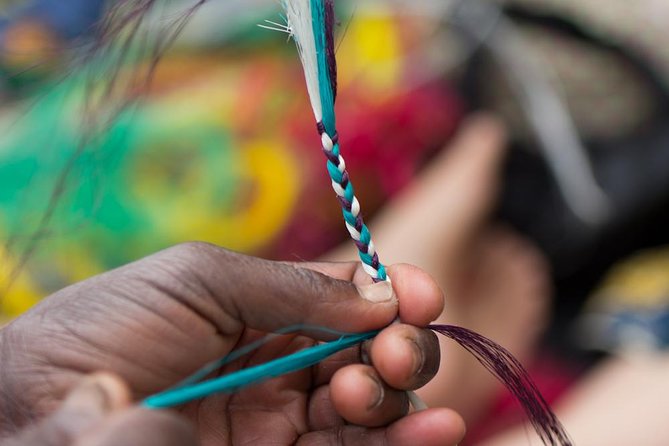
- The two-hour sisal weaving lesson gives you a hands-on skill and a small item to make or buy.
- Lunch is vegetarian Rwandan food, commonly including cassava and beans.
- The experience is limited to six people, with only your own group participating.
- The listed meeting point is on NR1 in Gitarama, while Kigali transport can be arranged for an extra charge.
- A moderate fitness level is needed, since you will walk and work on uneven surfaces.
Why this day feels different from a standard Kigali tour
Kigali is clean, orderly, and easy to explore, but a city visit tells you only part of Rwanda’s story. This day takes you into a rural community where daily tasks are still closely tied to the soil, the household, and the cooperative.
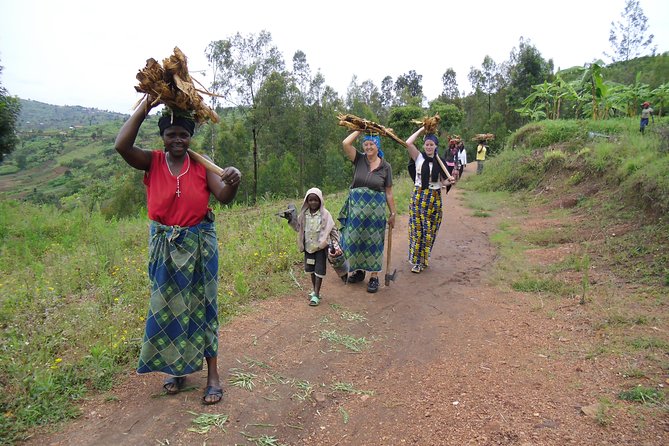
You are not touring a museum of village life. You are invited to help. That difference matters. Hoeing a garden for a short time will not make you a farmer, but it can show you how physical and steady this work is. Carrying water gives a clearer sense of the time and effort involved in a task many families must handle as part of ordinary life.
The setting is arranged through Azizi Life, which works with local artisan partners. The hosts described in the supplied material include women who make woven goods such as baskets and jewelry, as well as individual artisans such as potters. The exact craft may vary, but the advertised day centers on rural work and sisal weaving.
I would choose this experience if you want direct contact with local people and are willing to be active. I would not choose it if you want a polished sightseeing loop with fixed times, frequent stops, and minimal physical effort.
Other Kigali days people book alongside this one:
- Kigali City Tour
★ 5.0 · 452 reviews - Kigali: Walking Tour with a Local Guide
★ 4.9 · 234 reviews - One-day Akagera National Park Game Drive with a Choice 4×4
★ 5.0 · 105 reviews
Starting at Gitarama and reaching the village
The published meeting point is NR1, Gitarama, in the Muhanga area. The activity begins with a briefing, followed by transport from Muhanga Town to the village. The full program lasts about eight hours, and the stated operating window begins between 8:00 and 11:00 a.m., depending on the booking arrangement.
The transport detail is important. Return transport from Muhanga Town to the village is included, but transportation from Kigali is not part of the standard price. You can request Kigali transport for an added charge. Ask for the exact pickup plan before booking, especially if this is your only free day in Kigali.
The drive from Kigali to the rural area takes about an hour according to the information provided by a French-speaking participant. That makes this a reasonable day trip, but it is not a city-center activity. Allow time for the transfer in both directions, and confirm where you will meet the guide.
The small-group format helps once you arrive. The maximum is six people, and the activity is listed as private, meaning only your group participates. A minimum of two people is required to book. This works well for couples, families, and small groups of friends, but it will not suit a solo visitor booking alone.
Working beside an artisan family
After the briefing, you drive to the village and meet the artisan hosts. The welcome is a central part of the day. You are expected to greet people, take part in the work, and make time for conversation.
The farming portion can include hoeing fields or planting crops. Other activities described for this kind of day include gathering grass for cows and walking to fetch water. The work is simple in theory but physically demanding in practice. You will use your hands, walk over uneven surfaces, and spend time outdoors.
I appreciate that these tasks give the day a clear purpose. You are not being shown a staged performance. You are helping with jobs that connect to food, animals, and household routines. Still, keep your expectations sensible. You will experience selected activities for a day, not reproduce the full workload of the family.
The pace is described as flexible, which is useful. You may have time to ask how the cooperative works, how goods are sold, and how daily responsibilities are shared. The people hosting you may also ask about your home country. Those exchanges can be more revealing than a prepared speech.
Language support is available through a local guide or interpreter. One account describes an interpreter staying beside the participant throughout the day, helping open up conversation with the women’s cooperative. Specific hosts have included people named Theogene and Rose, while a guide named Richard has also handled a village transfer and shared stories during the drive. Ask when booking who will accompany your group, since individual staffing can change.
Cooking, lunch, and the best time to ask questions
Food preparation follows the outdoor chores. You may help the family prepare a meal, then sit down to eat food the household would normally serve. The meal is vegetarian, with cassava and beans specifically listed.
This is not a restaurant lunch, and that is the point. The meal connects the farming and household activities you have just seen. It also gives you a natural pause after the physical work.
Plan to be open to unfamiliar textures and a simple menu. The information does not promise a choice of dishes or special dietary substitutions, so tell the operator about dietary needs before the day begins. Bottled water is included, which is useful during a warm and active outing.
Lunch is also the main conversation period. You can ask about work in the cooperative, family life, farming, and the making of handicrafts. One guide has shared personal stories during the drive, including family experiences connected with Rwanda’s 1994 genocide and the challenges of finding work. Such subjects may arise naturally, but you should let your hosts set the pace and tone.
I find this part valuable because conversation here is two-way. You are not only collecting information. You are meeting people who may be curious about your life, too. Bring questions, but avoid treating the family as a source of hardship stories. Ask about ordinary things as well: work, food, craft, children, and community life.
Same hills, a completely different day out:
- Private Full-day Kigali City Tour with Pickup and Lunch
★ 5.0 · 79 reviews - Kigali Walking Tour
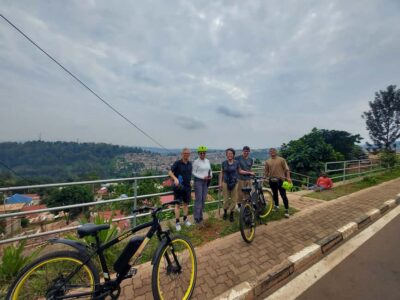
★ 4.5 · 78 reviews - Kigali E-Bike City Tour with Breakfast
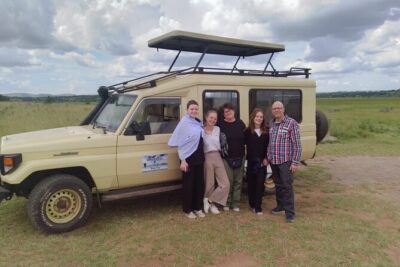
★ 4.9 · 73 reviews - Private 1 Day Akagera Big Five Safari with pick up and lunch.
★ 5.0 · 72 reviews
Two hours learning sisal weaving
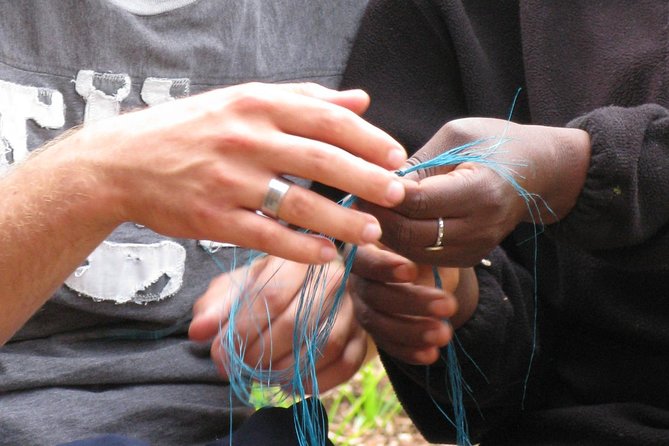
The final main activity is a two-hour, one-to-one lesson in weaving a simple item from sisal. This is the most structured part of the day. You receive direct instruction rather than merely browsing finished baskets or jewelry in a shop.
Sisal weaving takes patience. The material must be handled carefully, and the pattern may not look perfect on your first attempt. That is part of the appeal. You get a small sense of the time and skill behind the handicrafts sold by local makers.
The one-to-one format is a real advantage. You can ask for a demonstration more than once, and the instructor can adjust the pace. It is also a longer lesson than the brief craft demonstrations attached to many sightseeing programs.
You may purchase additional handicrafts at the end, but shop items are not included in the price. Buying directly from the artisan cooperative gives you a useful souvenir and supports the people whose work you have seen. Set a budget before you arrive, and do not assume that every item can be packed easily for a flight.
The advertised program focuses on sisal, but the wider Azizi Life offering has included pottery and traditional coffee activities. One participant worked with a potter, collected clay from a nearby river, and made an object of their choice. That does not mean pottery is part of this exact day, so ask if you want a particular craft.
What the day costs and what you receive
The price is $90 per person. That is not a bargain-basement village excursion, but it covers a full day with a guide, host, lunch, bottled water, gratuities, and return transport between Muhanga Town and the village.
The strongest value comes from the time spent with the artisan partners. You are paying for a small group, direct instruction, transport within the rural portion, and a meal, not simply for admission to a site. The group limit of six also makes the price easier to justify for people who care about personal attention.
The value is weaker if you already have independent access to a rural community or if you plan to spend only a short time in the area. Kigali transportation costs extra, and your purchases at the gift shop are additional. Add those costs before comparing this with other day trips.
Group discounts are available, though the amount is not specified. Ask for the current rate if you are booking a larger party. The child rate applies only when a child shares with two paying adults.
Who will enjoy this experience most
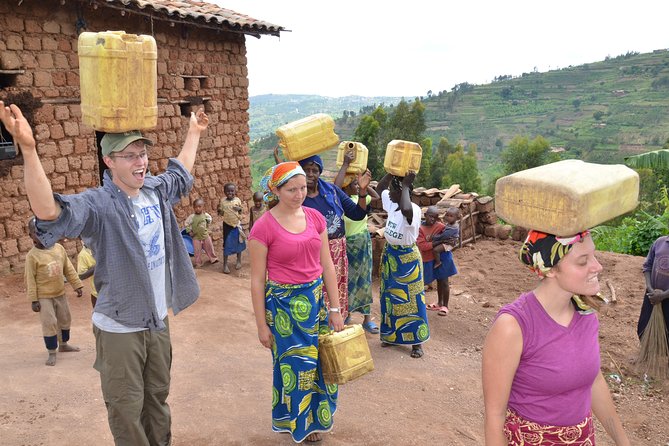
I would recommend this day to families with older children, couples, small groups, and first-time visitors who want an introduction to Rwanda beyond Kigali. Teenagers can do well here because the program mixes physical work, food, craft, and conversation. A school group of older students has also used the experience successfully.
You should have a moderate level of fitness. Uneven surfaces are part of the setting, and the activities can include hoeing, walking to collect water, and other chores. Children must be accompanied by an adult. Service animals are allowed, and the area is near public transportation, though your own transfer plan still needs checking.
This is a good choice for people who prefer participation to passive sightseeing. You will get more from it if you are willing to try a task without worrying about doing it perfectly.
It is less suitable for anyone with limited mobility, a strong dislike of rural conditions, or a strict need for a tightly timed schedule. The flexible format is friendly and human, but it can feel less predictable than a conventional tour.
What to pack for a full day outdoors
Wear clothes you can work in and shoes that handle uneven ground. You may be hoeing, walking, collecting water, and helping with cooking, so your outfit should not depend on staying spotless.
Bring sun protection and a reusable way to carry small personal items. Bottled water is provided, but you may still want extra water depending on the day and your needs. A phone or camera is useful, but ask before photographing people, homes, or work in progress.
A small amount of room in your bag is wise for handicrafts. If you buy woven goods, protect them from rain and crushing during the return journey.
The day includes gratuities, so you do not need to calculate a separate guide tip into the basic plan. You will still need money for optional purchases and any Kigali transfer charge.
A warm welcome, with a few limits to keep in mind
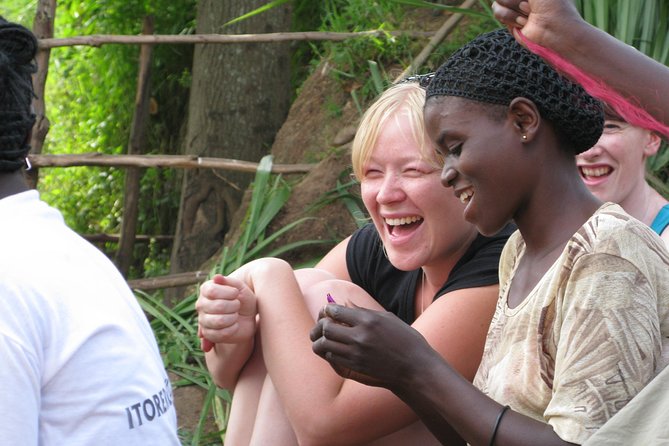
The people involved are the heart of this experience. The hosts are described as friendly, patient, generous, and willing to share work, stories, singing, dancing, and laughter. Those human exchanges are why the day can stay with you long after the craft lesson ends.
At the same time, it is wise to keep the word authentic in perspective. The day is organized for visitors, and the activities are selected to fit an eight-hour program. You are receiving a respectful window into rural life, not an unplanned visit to a private home.
That structure is not a flaw. It gives the family and the visitor clear expectations. Just arrive ready to listen, participate, and accept that the day may move at a slower pace than a standard city tour.
Booking, timing, and cancellation
Confirmation is received at the time of booking. You can cancel for a full refund if you do so at least 24 hours before the local start time. Cancellations or changes made inside that 24-hour period are not accepted for a refund.
Before paying, confirm three practical points: the exact meeting time, the location in Gitarama or Muhanga, and the extra cost for Kigali transport. Also tell Azizi Life about children, dietary needs, and any mobility concern before the day begins.
Should you book A Day in the Life of a Local Artisan?
Book it if you want a personal, active day with Rwandan artisan partners and you value time with people more than a long list of sights. The combination of farming, water collection, food preparation, a shared vegetarian lunch, and two hours of sisal weaving gives you a useful look at daily work and craft production.
Skip it if you want a relaxed outing, guaranteed pottery, or transport from Kigali included in the base price. For most visitors who can manage uneven ground and approach the day with respect, the $90 cost is fair for the small group, local guide, lunch, and hands-on instruction.
My practical choice would be to book this near the start of a Rwanda trip. It gives you context for rural life, creates a chance to ask direct questions, and offers a more personal counterpoint to Kigali’s urban sights.
FAQ
Where does the experience begin?
The listed starting point is NR1 in Gitarama, Rwanda. The area is also referred to as Muhanga Town in the transport details.
Does the price include transportation from Kigali?
No. Transport from Kigali is not included in the $90 price, but it can be arranged on request for an additional charge.
What transportation is included?
Return transport from Muhanga Town to the village is included.
How long does the experience last?
The activity lasts approximately eight hours.
What food is served for lunch?
Lunch is local Rwandan food prepared as a vegetarian meal. Cassava and beans are specifically mentioned.
Is the experience suitable for children?
Yes, it is described as family-friendly. Children must be accompanied by an adult, and the child rate applies only when sharing with two paying adults.
How many people can join?
The experience is limited to six people. A minimum of two people is required for a booking, and only your group participates.
What activities are included?
Activities can include hoeing fields, planting crops, fetching water, helping prepare food, talking with your hosts, and learning to weave a simple sisal item.
Do I need to be physically fit?
You should have a moderate level of fitness. The experience includes uneven surfaces and hands-on chores.
Are handicrafts included in the price?
No. Items purchased at the gift shop cost extra. Gratuities, bottled water, lunch, the local guide, tour host, and village transport are included.
Can I cancel for a full refund?
Yes. You must cancel at least 24 hours before the experience start time for a full refund. Changes or cancellations made less than 24 hours before the start are not accepted for a refund.
Just added around Kigali
- Kigali: Horse Riding Trail in Mount Kigali★ 4.9 · 13 reviews
- Rwandan and Syrian Food Tour★ 5.0 · 4 reviews
- Three-day Nyungwe Canopy and Kivu Lake Adventure★ 5.0 · 5 reviews
- One Day Golden Monkey and Cultural tour★ 4.0 · 7 reviews
- 1 Day Canopy walk way in Nyungwe Natioinal park★ 5.0 · 6 reviews
- Walking Food Tour in Remera and Kigali★ 5.0 · 4 reviews
- 3 Day Rwanda to Uganda gorilla trekking Safari★ 5.0 · 5 reviews
- 3 Days Private Bwindi Gorillas and Volcanoes Golden Monkey Trek★ 5.0 · 4 reviews
Kigali Tours, compared.

One-day Akagera National Park Game Drive with a Choice 4×4
Read our review →
Private Full-day Kigali City Tour with Pickup and Lunch
Read our review →
Private 1 Day Akagera Big Five Safari with pick up and lunch.
Read our review →
Mount Kigali and Cultural Village Tour with Snacks
Read our review →Browse the lists this tour appears in