
Reviewed · TOURS
Ntarama and Nyamata Genocide Memorial Day Tour
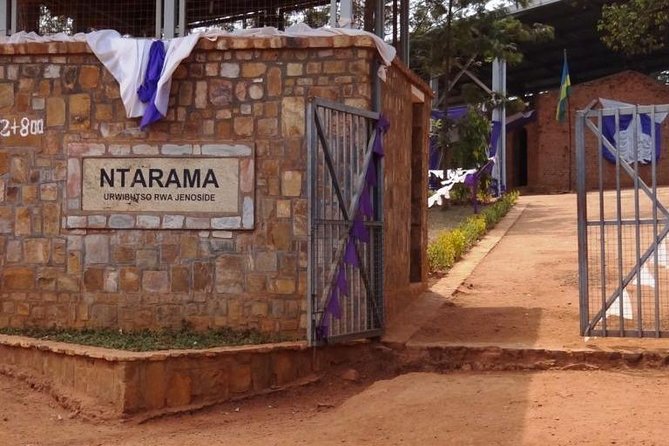
The most powerful part of this Kigali day tour is also the hardest: you enter two churches where people sought safety during the 1994 genocide, then see the clothes left behind by those who were killed. Ntarama and Nyamata are memorials, not ordinary sightseeing stops, and the visit asks for quiet attention.
I like the private format, which lets you move at a thoughtful pace and ask direct questions. I also like the practical setup: hotel pickup, private transport, bottled water, lunch, and a local guide are included. The main consideration is the price, $850.34 per person, which is high unless you value a private vehicle, personal guidance, and a full day arranged around two important memorials.
Key points at a glance
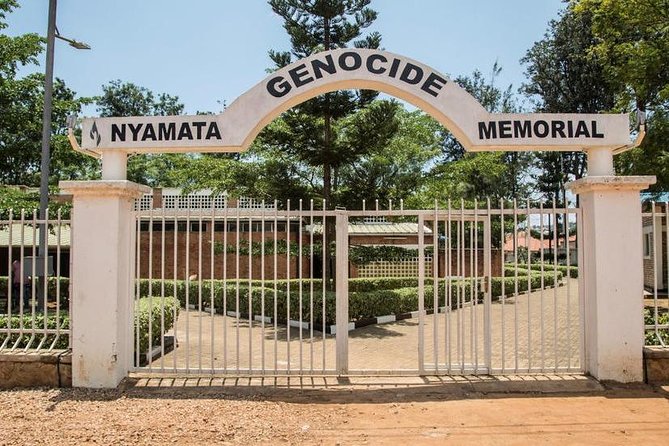
- Two former places of refuge: Ntarama and Nyamata churches preserve difficult evidence of the 1994 genocide.
- A serious local perspective: A local guide joins you at each memorial to explain the causes and consequences of the violence.
- Private from start to finish: Only your group takes part, with hotel pickup and drop-off in Kigali.
- A local lunch is included: You do not need to arrange a midday meal during the seven-hour outing.
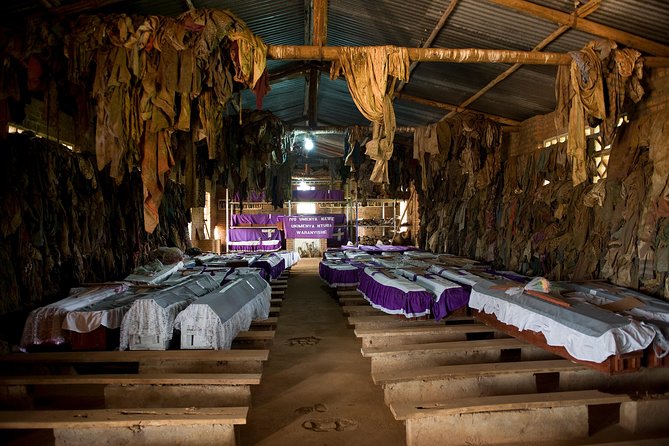
- A striking detail at Nyamata: Rows of clothing, including children’s clothing, remain part of the memorial.
- Easy cancellation terms: You can receive a full refund if you cancel at least 24 hours before the 8:00 am start.
Why these two churches matter
Rwanda’s genocide took place from April through July 1994. The violence targeted Tutsi people, while Hutu people were also killed in the wider conflict. This tour focuses on the human cost of that period rather than presenting the subject as a quick historical footnote.
Ntarama and Nyamata were churches where people gathered in search of safety. Their religious purpose makes the sites especially painful to visit. A church normally suggests shelter and trust. Here, the buildings hold memories of people who were unable to find protection there.
I would not book this as a casual morning outing between lighter activities. Give yourself time to absorb what you see. The memorials are likely to affect you, and the subject calls for respectful clothing, a calm manner, and permission to pause.
The tour gives you two related sites in one day. That matters because the second stop can add context to the first. You are not seeing a single memorial in isolation, but two places connected to the same national tragedy.
More kigali genocide memorial tours in Kigali:
- Private Memorial Day Tour Ntarama and Nyamata
★ 5.0 · 3 reviews
Leaving Kigali at 8:00 am
The day begins at 8:00 am with pickup from your Kigali hotel. Private transportation is included, so you are not piecing together taxis or public transport for a demanding day of remembrance.
The private setup is useful in a practical way. You travel only with your own group, and the driver guide handles the route. You can ask questions during the journey, though the most formal explanations take place with the local guide at each memorial.
The outing lasts about seven hours. The two scheduled church visits take about one hour each, leaving time for driving, lunch, and transitions. Do not expect every minute to be filled with formal commentary. The value is in having the day organized around the memorials without rushing between unrelated attractions.
Bottled water, all fees and taxes, and private transport are included. These details may sound ordinary, but they reduce the small decisions that can distract you on an emotionally demanding day.
Ntarama Church and the first hour of remembrance
At Ntarama Church, your driver guide takes you to the memorial, where you meet a local guide. The guide explains the site and the wider story of the genocide, including its causes and consequences.
The visit is scheduled for about one hour. That is enough time for a focused introduction, but it is not a long academic seminar. If you want more detail, use the private setting to ask clear questions. The local guide is the person to ask about what happened at the church and how the memorial fits into Rwanda’s effort to remember.
Ntarama is important because people had gone there seeking refuge. That fact changes how you read the building. You are not simply looking at an old church. You are confronting the gap between the safety people hoped to find and what actually happened.
I would pay attention to how the guide explains both the immediate events and the larger causes. A good memorial visit should help you understand that genocide does not appear from nowhere. It grows from hatred, political manipulation, fear, and the breakdown of basic human protections. The supplied tour description promises discussion of causes and consequences, so this is the right place to ask for that broader frame.
Some people may find one hour emotionally exhausting. You do not need to force yourself into constant conversation. Silence is a reasonable part of the visit.
Nyamata Church and the clothing left behind
The second stop is Nyamata Church, also planned for about one hour. Here again, your driver guide brings you to the memorial and a local guide explains the site.
Nyamata carries a scale that is difficult to grasp. About 45,000 people were killed in Nyamata alone, and about 10,000 were killed in the church. Those numbers are presented here not as distant statistics, but as a reminder of how many individual lives are represented by the memorial.
One of the most striking details is the rows of clothing left behind, including children’s clothes. This is the kind of display that can make the genocide feel painfully immediate. You may find the clothing harder to face than a written account because it points to ordinary people and interrupted lives.
Nyamata is not a place for hurried photographs or casual conversation. The strongest part of the stop is the direct connection between the building, the people who sought refuge there, and the material remains preserved inside.
The emotional weight is also the main drawback. If you have recently visited several sites connected with mass violence, two churches in one day may feel like a lot. The tour is best for someone who wants to give this subject real attention, not someone trying to check off as many Kigali-area attractions as possible.
Same hills, a completely different day out:
- Kigali City Tour
★ 5.0 · 452 reviews - Kigali: Walking Tour with a Local Guide
★ 4.9 · 234 reviews - One-day Akagera National Park Game Drive with a Choice 4×4
★ 5.0 · 105 reviews - Private Full-day Kigali City Tour with Pickup and Lunch
★ 5.0 · 79 reviews
What the local guide adds
The tour uses a local guide at both memorials. That is important because the sites need explanation. Without context, you might notice the building and the displays but miss how they connect to Rwanda’s national memory.
The local guide can also help you understand the human scale of the events. The tour is designed to cover both causes and consequences, so listen for how the genocide affected families, communities, and the country’s future.
The private arrangement gives you more room to ask sensitive questions than a large group usually allows. You can ask for clarification, request a slower pace, or spend a little more time with a section that matters to you, within the planned schedule.
A guide named Joana has been associated with Judith Safaris and is described as building a warm, family-like connection with the people she guides. You should not assume Joana will be assigned to your booking, but her involvement gives you a useful sense of the company’s personal approach. Confirm the assigned guide if having a particular person matters to you.
Lunch, water, and the rhythm of the day
A local Rwandan lunch is included. The available information does not specify the restaurant, menu, or dietary arrangements, so ask the operator about food needs before you go.
I like that lunch is part of the plan. After two memorial visits, a meal gives you a natural pause before returning to Kigali. It also adds a local element to a day that could otherwise feel focused only on transport and museum-style interpretation.
Bottled water is included as well. Since you are out for roughly seven hours, that is a useful comfort. Still, I would begin the day with a bottle and carry any personal essentials you need, since the exact stops between the memorials are not detailed.
The day’s rhythm is deliberately simple: pickup, drive, memorial, memorial, lunch, and return. That focus is a strength. You are not distracted by a packed list of minor sights.
Is $850.34 per person a fair price?
At $850.34 per person, this is not a budget memorial visit. The value depends on what you need.
The price includes private transportation, hotel pickup and drop-off, a local guide, lunch, bottled water, admission-related fees and taxes, and a private experience for your group alone. If you are traveling with several people, group discounts may improve the per-person value. Ask how the discount works before booking.
I see the strongest value in convenience and privacy. You do not need to arrange transport from Kigali, find the churches independently, or manage the day’s timing. You also have a driver guide and local guides at the memorials, rather than relying only on your own reading.
The price is harder to justify if you are a solo visitor on a tight budget or if you mainly want a short visit to one site. In that case, compare the cost with other Kigali memorial options before committing.
Because the tour is booked an average of 109 days ahead, planning early makes sense. That lead time may be especially useful if you need a particular date, are traveling with a group, or want to ask about a specific guide.
Who should book this experience
I would recommend this tour to you if you want a serious, guided look at Rwanda’s genocide and prefer having the day arranged privately. It suits couples, families with older children, and small groups who want to talk openly with a guide and avoid a large coach.
It is also a good fit if you are staying in Kigali and want to understand more of Rwanda before visiting other parts of the country. The memorials provide essential context for the country’s past and its ongoing effort to remember those who were killed.
I would be more cautious if you are looking for light sightseeing, have limited emotional energy, or dislike fixed schedules. The subject is heavy, and the tour does not soften it with a long list of scenic diversions.
Most people can participate, and the experience is a private tour or activity. It is also near public transportation, though the package itself includes private transport and hotel transfers, so you may not need to use public transit.
Booking, cancellation, and practical advice
You receive confirmation when you book. The start time is 8:00 am, and hotel pickup and drop-off are included, so provide accurate hotel details when arranging the tour.
You can cancel for a full refund up to 24 hours before the local start time. Cancellations made within 24 hours are not refunded, and changes inside that period are not accepted.
I would also contact Judith Safaris before the day if you have questions about lunch, clothing, photography, or the assigned guide. The supplied details confirm the main inclusions, but they do not spell out every memorial rule or meal option.
Treat both churches as places of mourning. Keep your voice low, follow the guide’s instructions, and do not assume photography is allowed in every area. If you are unsure, ask first.
My verdict on Ntarama and Nyamata
You should book this tour if you want a private and carefully arranged day focused on two of Rwanda’s most painful memorial sites. The local guides, private vehicle, included lunch, and hotel transfers make the logistics easy, while the churches provide a direct connection to the country’s past.
You should think twice if $850.34 feels too high for a seven-hour outing or if you want a broader sightseeing program. This is not a general Kigali highlights tour. It is a focused memorial visit, and its value comes from time, context, and personal guidance.
For the right person, the two stops offer something that cannot be reduced to a checklist: a chance to remember the people who were killed, understand how the genocide shaped Rwanda, and leave with a clearer sense of why the country insists on never again.
FAQ
How long does the Ntarama and Nyamata tour last?
The tour lasts about seven hours in total.
What time does the tour start?
The scheduled start time is 8:00 am.
Is hotel pickup included?
Yes. Hotel pickup and drop-off in Kigali are included.
Is the tour private?
Yes. Only your group participates in the private tour or activity.
Are lunch and water included?
Yes. A local Rwandan lunch and bottled water are included.
What is the price of the tour?
The listed price is $850.34 per person. Group discounts are offered.
Can I cancel for a full refund?
Yes. You can receive a full refund if you cancel at least 24 hours before the experience start time. Cancellations and changes made within 24 hours are not accepted.
Just added around Kigali
- Private Half-Day Guided Kigali City Tour with Coffee Break Included★ 5.0 · 6 reviews
- Vegan Fine Dining Experience★ 5.0 · 5 reviews
- Private Transfer from Kigali Airport (KGL) to Kigali★ 4.0 · 5 reviews
- 2 Days Mountain Gorilla Safari Rwanda★ 5.0 · 4 reviews
- 1 Day Akagera Wildlife Safaris Rwanda (2 Pax Min)★ 5.0 · 5 reviews
- Private Memorial Day Tour Ntarama and Nyamata★ 5.0 · 3 reviews
- From Kigali: 8 Hour Day-trip Lake Kivu Cruise Experience★ 4.5 · 3 reviews
- One Day Mount Bisoke Hike Adventure Tour in Volcanoes Park★ 4.5 · 4 reviews
Tours, compared.


Private Full-day Kigali City Tour with Pickup and Lunch
Read our review →
Mount Kigali and Cultural Village Tour with Snacks
Read our review →
Browse the lists this tour appears in