
Reviewed · LUNCH EXPERIENCES
Kigali: City Sightseeing Tour with Lunch
Kigali is easiest to understand when you see its past and present side by side. This seven-hour tour moves from a hilltop view at Juru Park to the Richard Kandt Museum, the Kigali Genocide Memorial, new city hubs, Kimironko Giant Market, and handmade craft stalls. The route gives you a useful first look at a capital still shaped by its painful past and its fast-changing present.
I like the air-conditioned van because Kigali’s hills can make a full day tiring on foot. I also like the local lunch, which adds something practical and personal beyond a string of monuments. The main drawback is value: at $140 per person, this is a serious outlay for a tour built around several city stops, and one past complaint found the meal too limited for the price.
Key points
- Juru Park viewpoint: Climb to one of Kigali’s high points for broad views over the city and surrounding countryside.
- Richard Kandt Museum: See Rwanda’s pre-colonial and colonial story presented alongside Kigali’s modern identity.
- Kigali Genocide Memorial: Allow time for a sober, emotionally demanding visit covering the 1994 genocide and its wider historical setting.
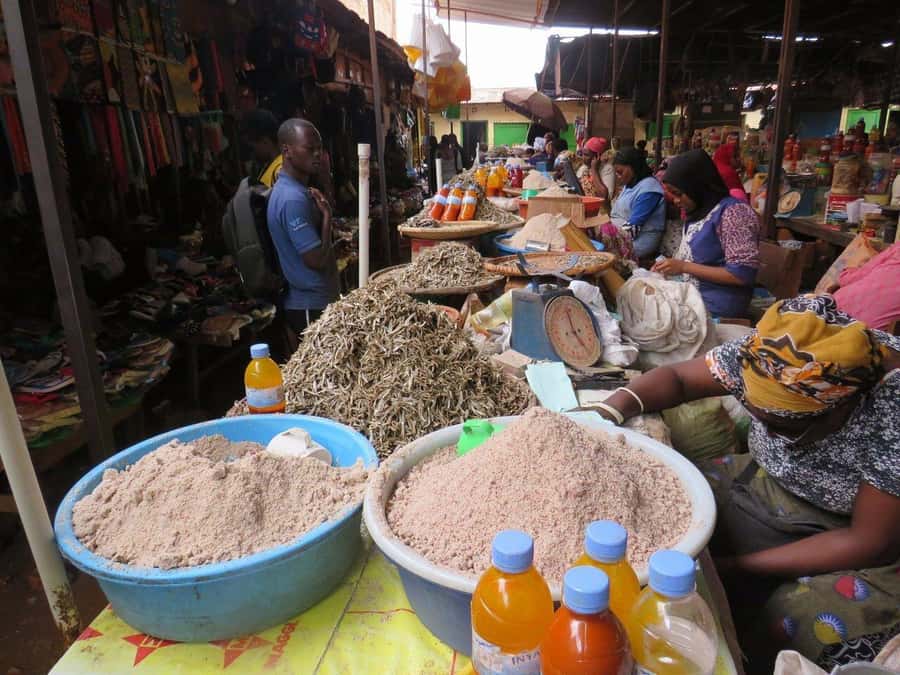
- Kimironko Giant Market: Experience the smells, colors, and everyday buying and selling of one of Kigali’s major markets.
- Local lunch included: The meal is part of the price, but alcohol is not included and the food may suit vegetarians better than meat eaters.
- Personal guiding: Guides named Joseph, Hassan, Jacques, and Pacifique have been singled out for warmth, flexibility, and clear explanations.
A seven-hour introduction to Kigali
This is a full-day orientation tour, not a quick drive past a few landmarks. You are picked up at your Kigali hotel, if you select that option, or meet at an agreed starting point before setting off in a safari-style van.
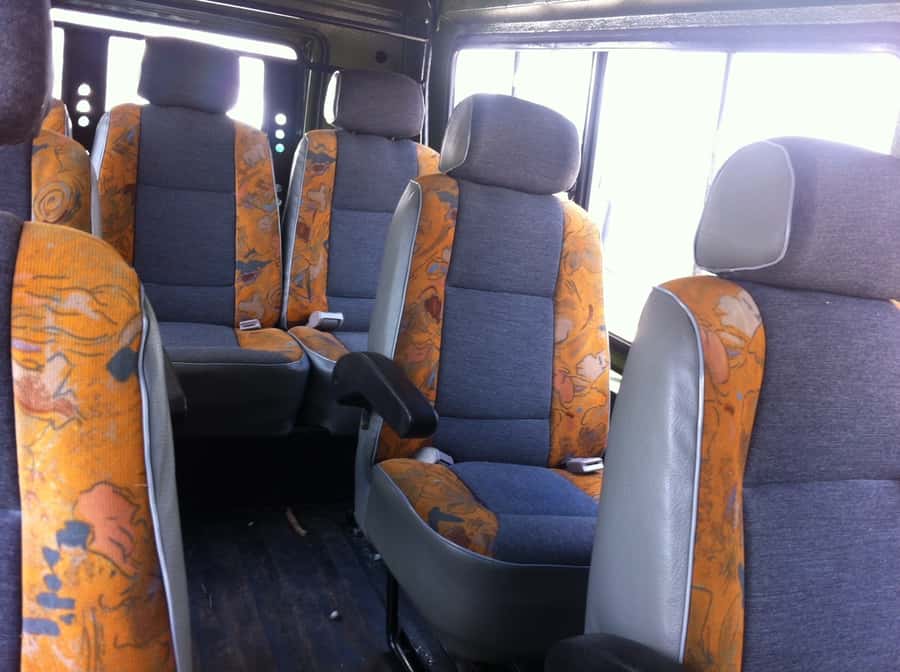
The vehicle matters here. Kigali is spread over hills, and the route includes both viewpoints and several museums or market areas. An air-conditioned van or jeep gives you a cool place to rest between stops while your guide explains what you are seeing.
Your guide speaks English and is the thread holding the day together. Guides who have led this experience include Joseph, Hassan, Jacques, and Pacifique. Their individual styles may differ, but the best part of the format is the chance to ask questions as the city passes by rather than simply read signs at each stop.
I would treat the tour as a first-day introduction to Kigali. You see enough of the capital to decide where you want to return, and you get historical context before exploring on your own.
A few more Kigali trips to weigh up
- Private Full-day Kigali City Tour with Pickup and Lunch
★ 5.0 · 79 reviews - Private 1 Day Akagera Big Five Safari with pick up and lunch.
★ 5.0 · 72 reviews - Kigali Day Tour With Lunch and Pickup Service
★ 4.5 · 26 reviews
Juru Park and Kigali from above
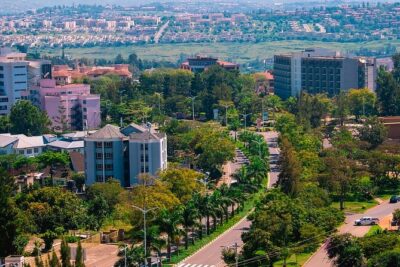
The first major visual reward comes at Juru Park, where the tour climbs toward one of Kigali’s highest points. From here, you can look across the city’s rolling hills and out toward the surrounding countryside.
This viewpoint helps explain Kigali better than a flat street map. Roads rise and fall, neighborhoods spread across separate ridges, and green slopes appear between built-up areas. I like this stop because it gives you a sense of place before the museums fill your head with dates and events.
The view is also a useful reminder that Kigali is not one compact center. The city has several areas with their own activity and character. Your guide points out how the capital is changing and where newer hubs are developing.
Do not expect a long scenic walk or an extended nature stop. Juru Park is a viewpoint within a city tour, so the emphasis is on orientation and photography rather than a hike. Still, it is a strong early stop because it gives the rest of the day a clear physical setting.
The Richard Kandt Museum and Rwanda’s earlier story
The Kigali Richard Kandt Museum takes you into Rwanda’s pre-colonial and colonial periods. This is important preparation for the later memorial visit because it gives you historical background before the tour reaches the events of the 1990s.
The museum also helps you compare two versions of Kigali: the older city shaped by Rwanda’s political and colonial past, and the present-day capital you see outside the windows. Your guide adds explanation during the drive and at the stops, helping connect museum displays to modern Rwanda.
I would pay attention to how the story is presented across time rather than treating this as a quick museum checklist. The point is not simply to collect facts. It is to understand that the 1994 genocide did not appear without context, and that Rwanda’s current identity has been shaped by what came before and what followed.
The available information does not specify how long you spend inside the museum or which individual exhibits are included. Plan for a guided historical visit rather than a specialist museum study. If you want to examine every display closely, seven hours across the entire city will naturally limit your time.
A quiet and serious hour at the Kigali Genocide Memorial
The Kigali Genocide Memorial is the most emotionally demanding part of the day. It addresses the 1994 genocide and places it within a broader account of Rwanda’s history, from the pre-colonial period through the colonial era and into the 1990s.
This is not a light sightseeing stop. I would approach it with patience and respect, allowing the material to set the pace. The memorial explains both the scale of the killing and the way Rwanda has dealt with the past. That makes it a key part of understanding Kigali today, not just a place to add to a sightseeing list.
The contrast with the earlier viewpoint and museum is deliberate. You begin by looking across a growing capital, then learn about the forces and events that caused immense suffering, and finally continue into present-day neighborhoods and markets. The day’s structure gives you a more complete picture than a tour focused only on modern buildings.
Some people may find the memorial difficult, especially if they have little time to pause afterward. The schedule continues, so you should be ready for the shift from a quiet memorial site to busy city streets. Comfortable clothing, water, and a willingness to listen will help.
Same hills, a completely different day out:
- Kigali City Tour
★ 5.0 · 452 reviews - Kigali: Walking Tour with a Local Guide
★ 4.9 · 234 reviews - One-day Akagera National Park Game Drive with a Choice 4×4
★ 5.0 · 105 reviews - Kigali Walking Tour
★ 4.5 · 78 reviews
Seeing Kigali’s new city hubs
After the memorial, the route turns toward Kigali’s newer developments and the places where commercial activity is growing. This section gives you a direct look at the city today rather than leaving Rwanda’s story in the past.
I find this part useful because many history-focused tours end once the museum doors close. Here, the guide shows how Kigali is building a new identity through expanding hubs and changing neighborhoods. You see how the capital is trying to move forward while carrying a difficult national memory.
The exact developments visited can depend on the route and the day. The supplied details do not name specific buildings or districts, so I would not book this expecting a dedicated architecture tour. Think of it as a moving introduction to Kigali’s current growth, with your guide explaining what matters locally.
Several people who took the tour especially valued guides who adjusted the day to their interests. Jacques was described as responsive to requests, while Joseph was praised for explaining Kigali clearly without drowning the day in minor details. That flexibility can make this less like a fixed bus route and more like a conversation about the city.
Kimironko Giant Market and the everyday city
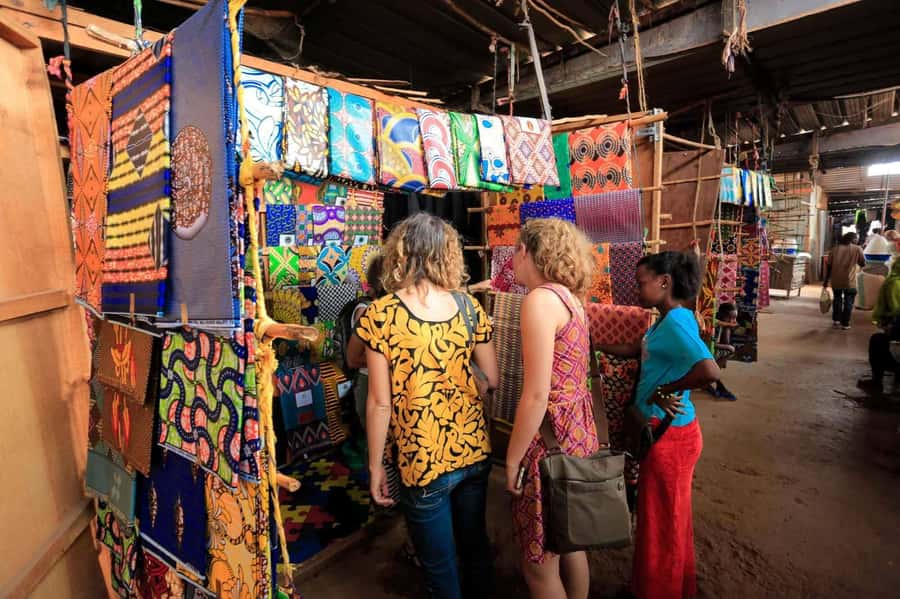
Kimironko Giant Market brings you into a more ordinary side of Kigali. The market is known for its smells, colors, and handmade goods, and it gives you a chance to see local commerce rather than only official landmarks.
This is where you should keep your attention moving. Look at the produce, crafts, clothing, and the way goods are arranged, while also listening to your guide’s advice about how to approach purchases. The market can be more revealing than a polished shopping center because it shows what people buy and sell in daily life.
The tour also includes colorful arts and crafts markets. These are useful stops if you want souvenirs but do not want to spend your whole day shopping. One guide was noted for helping negotiate lower prices, which can be practical if you are unsure how to begin bargaining.
Do not assume every item will be a bargain simply because you are at a market. Ask prices politely, compare similar pieces, and buy only what you genuinely want to carry home. The best value here is the chance to see how Kigali shops and trades, with purchases as an optional extra.
Lunch: local flavor with a price question
Lunch is included, and that makes the day easier. You do not have to stop the sightseeing to arrange a meal, and local Rwandan food adds an important cultural element to the experience.
There is one clear caution. A past participant found the meal heavily vegetarian, with only a beef soup available as the meat option, and was disappointed that alcohol was not included. Soft drinks were included instead. If you specifically want a chicken or meat-heavy meal, confirm what is planned before booking or bring realistic expectations.
That complaint also raises the wider value question. At $140 per person, lunch needs to feel like more than a basic pause. The tour price includes transportation, entrance fees, bottled water, and lunch, so the calculation is not just the meal cost. You are paying for a vehicle, a full day of guiding, and entry to the main sites.
Still, the price is high enough that you should compare it with arranging a driver and individual visits through your hotel. A private or small-group experience may feel worthwhile if you value explanation, convenience, and a flexible guide. If you mainly want three major sights and a meal, the cost may seem harder to justify.
How the guides shape the day
The strongest personal element is the guide. Names connected with this experience include Hassan, Joseph, Jacques, and Pacifique. Joseph was praised for giving a clear picture of Kigali without overloading the day with details, while Jacques was described as friendly and willing to respond to personal requests.
That matters in Kigali because the city’s history cannot be understood from isolated attractions alone. A good guide helps you connect the hilltop view, the museum, the memorial, the new developments, and the market into one story.
You should also expect some variation. A seven-hour tour depends on the guide’s pace, the traffic, and the time spent at each stop. The information confirms an English-speaking guide but does not promise a particular person. If you especially want Joseph, Hassan, Jacques, or Pacifique, ask the operator before you book, but do not assume a named guide is guaranteed.
The available feedback is generally positive, with several high marks for friendly service and helpful guiding. One low score focused on cost and lunch rather than poor manners. That tells me the human side is usually the safer part of the purchase, while the meal and price deserve closer thought.
Transport, timing, and comfort
Seven hours is long enough to cover a lot of Kigali but short enough to keep the route moving. You start with hotel pickup or a designated meeting point and finish with drop-off at your hotel or the original starting point.
The van or jeep is fitted for sightseeing, and air conditioning is a real advantage during a day that combines outdoor views, city roads, markets, and indoor sites. Bottled water is included, which is useful because you may spend much of the day moving between stops.
Starting times are not fixed in the supplied details. You need to check availability for the date you want. Hotel pickup is included only if you select that option, so read the booking choice carefully rather than assuming every departure includes door-to-door service.
The experience is listed as wheelchair accessible. Since the route includes a hilltop viewpoint, museums, a memorial, and markets, I would still confirm the exact vehicle and access arrangements if you use a wheelchair. The accessibility label is helpful, but the precise conditions at every stop are not described.
Who will get the most from this tour
I think this is best for a first visit to Kigali, especially if you have one day to build a basic understanding of the city. You get history, scenery, shopping, food, and current urban development in one organized outing.
It also suits you if you prefer asking questions to studying guidebooks. The guides are the main reason this format works. Their explanations can help you avoid seeing the memorial, museum, and market as disconnected stops.
The tour is less suitable if you want a slow, specialist visit to one museum or a dedicated food tour. It may also disappoint if your main goal is an extensive meat-based lunch, included alcohol, or a very low-cost day.
I would also think carefully about the emotional balance. The Genocide Memorial is essential for many visitors who want to understand Rwanda, but it can be heavy. The later market and modern-city sections provide contrast, though the schedule does not promise a long break for reflection.
Is $140 a fair price?
At $140 per person, the tour sits in the premium range for a city sightseeing day. You receive transport, bottled water, entrance fees, lunch, and a live English-speaking guide, with hotel pickup and drop-off if that option is selected.
The value improves if you are traveling alone, do not want to arrange several separate rides, or prefer a guide to explain Rwanda’s past as you go. It also improves if the guide adapts the route to your interests, as some guides have done.
The value weakens if you are comparing the tour only by the number of stops. The route includes several important places, but much of the day is a guided overview rather than long, detailed visits at every site. The meal may also feel modest for the price, especially if you expect meat or alcohol.
Before booking, ask what the lunch includes and confirm the pickup arrangement. Those two questions address the clearest sources of disappointment. I would also check the group format if that information matters to you, since the supplied details do not state a maximum group size.
Cancellation and booking flexibility
You can cancel up to 24 hours before the activity for a full refund. You can also reserve now and pay later, which is useful if your Kigali schedule is still moving around.
The tour lasts seven hours, but departure times depend on availability. Transportation and entrance fees are included, while alcohol is not. English is the listed guide language.
Should you book the Kigali city tour?
Book this tour if you want a well-rounded first look at Kigali and value a local guide more than the lowest possible price. The combination of Juru Park, the Richard Kandt Museum, the Genocide Memorial, new city areas, Kimironko Market, crafts, and lunch gives you a serious introduction in one day.
Think twice if $140 feels steep, you want a substantial meat meal, or you prefer choosing one or two sights and exploring them slowly. In that case, compare the cost of arranging transport through your hotel and confirm meal details first.
For most first-time visitors, I would consider it a useful orientation day, with the Genocide Memorial and the guide’s historical context as the main reasons to choose it. Go in expecting an overview, not a private scholar’s tour, and ask about lunch before paying.
FAQ
How long is the Kigali City Sightseeing Tour with Lunch?
The tour lasts seven hours.
Where does the tour start?
You can be picked up at your hotel in Kigali if you select that option, or meet at a designated starting point.
Where does the tour finish?
Drop-off is provided at your hotel or at the original starting point.
Is transportation included?
Yes. Transportation is provided by van or jeep, and the vehicle is described as air-conditioned.
Is lunch included?
Yes. Lunch and bottled water are included in the tour price.
Is alcohol included with lunch?
No. Alcohol is not included. Soft drinks are included instead.
Which language does the guide speak?
The live guide speaks English.
Does the tour visit the Kigali Genocide Memorial?
Yes. The itinerary includes a visit to the memorial, with historical information about Rwanda from pre-colonial times through the 1990s and the country’s response to its past.
Is the tour wheelchair accessible?
Yes, the activity is listed as wheelchair accessible.
Can I cancel for a full refund?
Yes. You can cancel up to 24 hours in advance for a full refund.
Just added around Kigali
- Kigali: Horse Riding Trail in Mount Kigali★ 4.9 · 13 reviews
- Rwandan and Syrian Food Tour★ 5.0 · 4 reviews
- Three-day Nyungwe Canopy and Kivu Lake Adventure★ 5.0 · 5 reviews
- One Day Golden Monkey and Cultural tour★ 4.0 · 7 reviews
- 1 Day Canopy walk way in Nyungwe Natioinal park★ 5.0 · 6 reviews
- Walking Food Tour in Remera and Kigali★ 5.0 · 4 reviews
- 3 Day Rwanda to Uganda gorilla trekking Safari★ 5.0 · 5 reviews
- 3 Days Private Bwindi Gorillas and Volcanoes Golden Monkey Trek★ 5.0 · 4 reviews
Lunch Experiences, compared.
Private Full-day Kigali City Tour with Pickup and Lunch
Read our review →
Private 1 Day Akagera Big Five Safari with pick up and lunch.
Read our review →

Full Day Shared Akagera Safari Tour with Lunch and Coffee
Read our review →
Full-Day Private Safari of Akagera National Park with Lunch
Read our review →
10 Hour Day-trip Rwanda Gorilla Trekking with Lunch
Read our review →
Browse the lists this tour appears in