
Reviewed · KIGALI TOURS
Kigali: Learn How to Make Hot Sauce from Scratch
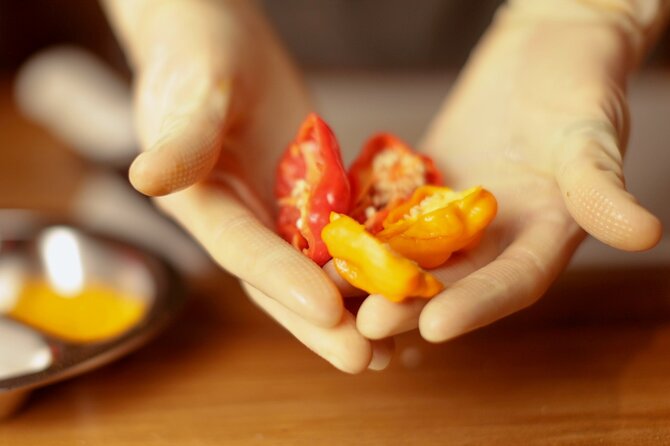
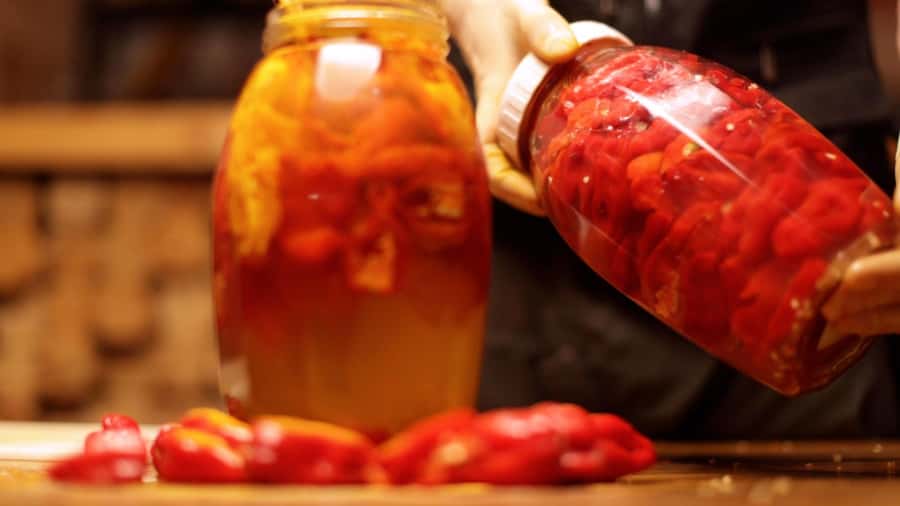
Kigali’s best food experiences do not need a long menu or a fancy dining room. Here, you spend 90 minutes turning Jalapeños, Habaneros, and Pili Pili peppers into your own hot sauce, then seal it in a bottle for the trip home. You taste as you go, so the final mix is yours rather than a fixed recipe.
I like two things right away: the local Pili Pili pepper gives the session a clear Rwandan flavor, and the small group limit of 10 keeps the activity personal. James, a guide and restaurant owner, can also add stories about Rwanda and its people while he teaches the method.
The main consideration is simple: this is not a good fit if you cannot handle spicy food or have a pepper allergy. Even if you normally avoid hot sauce, you can still enjoy the making process, but tasting is a central part of the session.
Key points to know before you book
- Make your own recipe: You choose the peppers, mix the ingredients, taste the sauce, and adjust it to your liking.
- Try Pili Pili in Kigali: The local favorite gives you a direct taste of Rwanda rather than a standard bottled condiment.
- Learn about fermentation: You receive tips on how fermentation can add more flavor and heat over time.
- Keep a useful souvenir: Your sauce is bottled for you to take home and share with friends or family.
- Small group, short session: The group is limited to 10 people, and the activity lasts 90 minutes.
- Good value at $35: The price covers instruction, peppers, mixing ingredients, bottles, and practical tips.
Why a hot sauce class belongs in your Kigali plans
Kigali has plenty of food worth trying, but a cooking activity gives you something beyond a meal. You do not simply eat a Rwandan flavor and move on. You work with it, learn how it changes, and carry the result with you.
At $35 per person, this is a reasonably priced hands-on activity. The fee includes the guided session, a selection of peppers, the ingredients for mixing, bottles, and advice from the instructors. You are paying for participation and a finished souvenir, not just a tasting plate.
I also like the 90-minute length. It is long enough to feel like a real activity, but short enough to fit around sightseeing, lunch, or an evening plan in Kigali. Since transportation is not included, you will need to arrange your own way to the meeting point. Check the starting time when booking and allow enough time to arrive without rushing.
The small group limit matters here. Hot sauce making involves questions, tasting, and personal choices. With no more than 10 participants, you should have room to ask how much pepper to use or how fermentation changes the final result. A large class would make this feel more like a demonstration than your own cooking session.
Other Kigali days people book alongside this one:
- Kigali City Tour
★ 5.0 · 452 reviews - Kigali: Walking Tour with a Local Guide
★ 4.9 · 234 reviews - One-day Akagera National Park Game Drive with a Choice 4×4
★ 5.0 · 105 reviews
Choosing peppers, from Jalapeño to Pili Pili
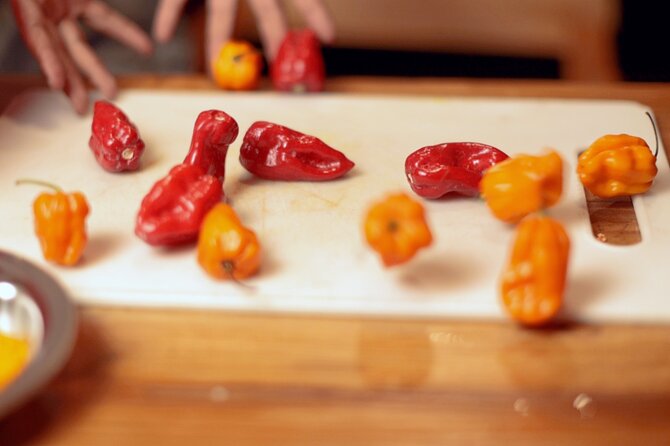
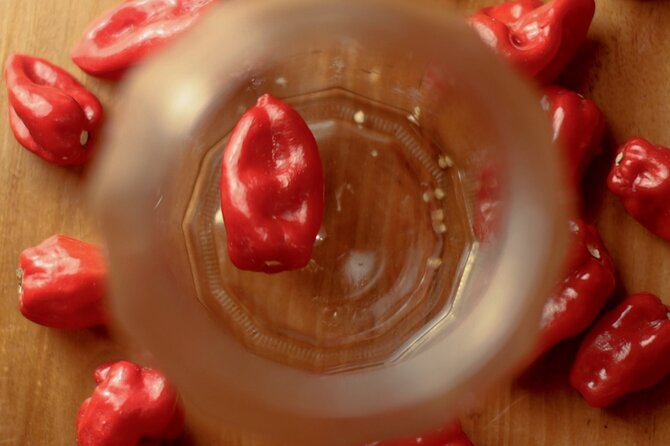
The session begins with a choice of peppers. Jalapeños bring a familiar level of heat, Habaneros add a much stronger punch, and Pili Pili connects the sauce to local taste.
This is where you can shape the experience to suit your own palate. If you want a sauce that is easier to use at home, you can be cautious with the hottest peppers. If you enjoy serious heat, Habanero and Pili Pili give you more room to push the recipe.
Do not treat the pepper selection as a test of courage. The best sauce is not always the hottest one. Taste and balance matter more than bragging rights, especially if you plan to use the bottle with meals rather than leave it untouched in a cupboard.
The activity gives you ingredients for mixing, but the supplied details do not specify every spice or flavor option available on the day. You can expect guidance on adding extra spices, but ask the instructor what is available before deciding on a final recipe.
Mixing and tasting until the flavor works
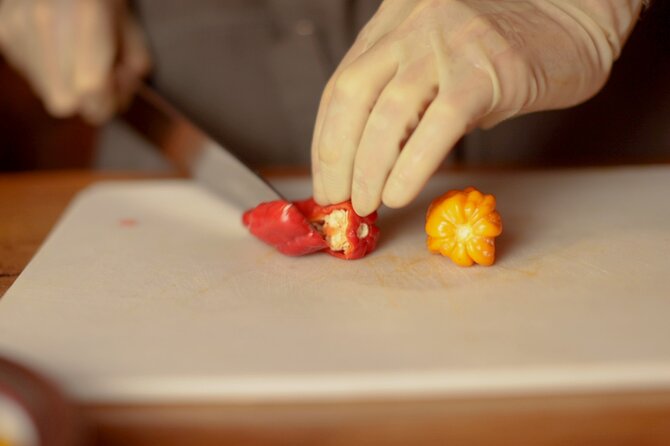
After choosing your peppers, you mix them with the other ingredients. The guide shows you how to combine everything, then helps you taste the sauce and make changes.
That tasting step is the heart of the class. It turns the activity from a simple recipe lesson into a small exercise in judgment. You may want more heat, more balance, or an extra spice. You get to adjust instead of accepting a fixed blend prepared in advance.
If you are sensitive to spice, take small tastes. The activity is built around tasting, but you do not need to prove anything. You can ask the instructor for help before adding more of the hotter peppers.
The class is also useful if you already enjoy cooking. You can pay attention to how the pepper types change the sauce, how the ingredients combine, and how a small adjustment affects the result. Beginners should find the process approachable because the guide leads the mixing rather than leaving you to guess.
Fermentation advice that adds another layer
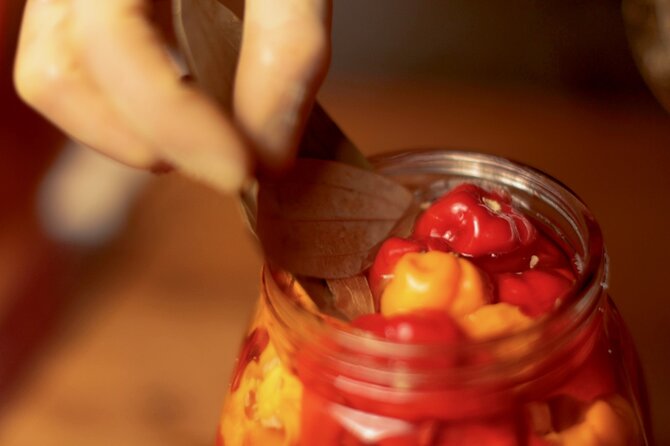
The session includes a conversation about fermentation, the process that can give hot sauce more depth and extra kick. This is one of the more useful parts for anyone who wants to continue making sauces after returning home.
You learn why a sauce can change after it is mixed and how fermentation affects its character. The information is presented as practical advice rather than a full food science course, so keep your expectations in check. You will get tips from the instructor, not a long technical workshop.
Fermentation also helps explain why your bottled sauce is more than a one-time craft project. It can continue to develop after the class, depending on how it is prepared and handled. Follow the instructor’s specific guidance about your bottle, since the supplied information does not give storage times or detailed safety instructions.
You can also add your own twist with extra spices. That makes each bottle personal, but it is wise to taste before adding too much. Once a strong spice is mixed in, you may not be able to pull the flavor back.
Same hills, a completely different day out:
- Private Full-day Kigali City Tour with Pickup and Lunch
★ 5.0 · 79 reviews - Kigali Walking Tour
★ 4.5 · 78 reviews - Kigali E-Bike City Tour with Breakfast
★ 4.9 · 73 reviews - Private 1 Day Akagera Big Five Safari with pick up and lunch.
★ 5.0 · 72 reviews
James brings food and Rwanda into the conversation
James is identified as both the guide and the owner of the restaurant connected with the experience. His role adds an appealing personal touch because he can talk about making the sauce while sharing stories and information about Rwanda and its people.
That combination matters. You are not only following instructions from someone who knows a recipe. You are also speaking with a person tied to Kigali’s food scene. The experience can give you a small window into local food culture, especially if you ask questions while the sauce is being prepared.
English and Russian are listed as the available instruction languages. If you need the activity in one of those languages, this is a clear point in its favor. No other languages are specified, so you should not assume that instruction will be available in a different language.
One particularly useful point about the setting is that the restaurant connection may give you a reason to return for a meal. The sauce session itself does not include extra food or drinks, so any restaurant visit or additional order would be separate.
Bottling your own Kigali souvenir
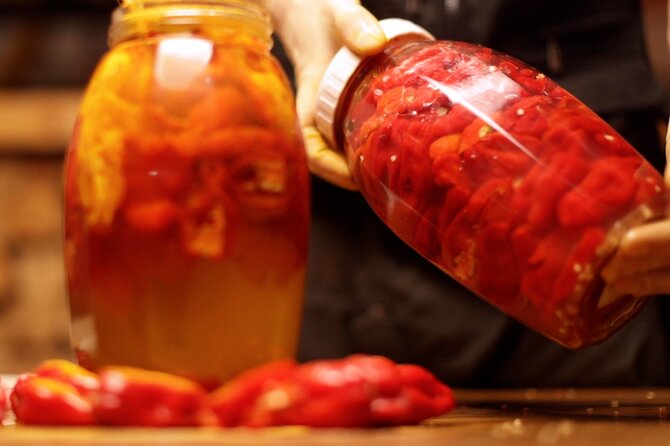
Once you are happy with the flavor, the guide helps you bottle the sauce. A bottle is included, so you do not need to bring your own container.
This is a better souvenir than a generic keepsake for anyone who enjoys cooking. It carries the memory of the activity and gives you something to serve at home. You can share it with friends and family, though the heat level may make it a selective gift.
The bottle also marks a clear finish to the class. You have chosen the peppers, adjusted the taste, learned about fermentation, and created a final product. That sense of completion is a strong reason to choose this activity over a simple food tasting.
Pack it carefully for the rest of your trip. The experience includes the bottle, but no special transport or luggage instructions are provided. If you are flying or moving between hotels, ask the guide how best to carry it.
Who will get the most from this activity
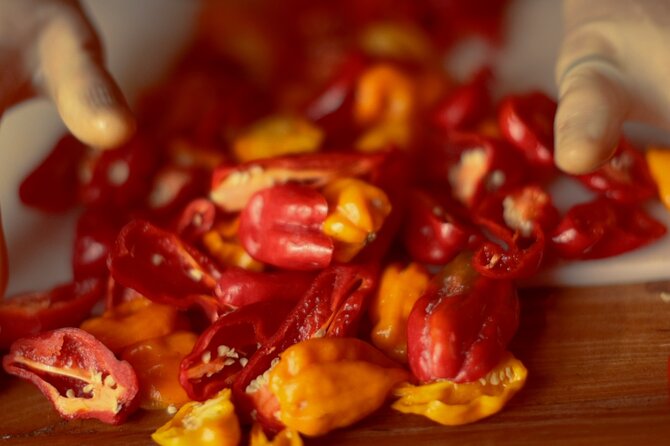
I would choose this for food-focused visitors who want a short, active experience in Kigali. It suits curious cooks, people who enjoy tasting local ingredients, and anyone who prefers a souvenir they can use rather than display.
It also works well for a small group of friends or family members because each person can build a different sauce. One person might favor Jalapeño, while another chooses a hotter Habanero and Pili Pili blend. Comparing the finished bottles gives the group an extra bit of fun.
You do not need to be an experienced cook. The guide provides the instruction and ingredients, and the method is based on mixing and tasting. The main requirement is a willingness to try spicy flavors.
I would think twice if you have a pepper allergy or cannot handle spicy food. The activity description specifically warns that it may not be suitable for you. Even the participant who said they did not like hot sauce still enjoyed making it, but that does not remove the basic concern about tasting peppers.
How the $35 price compares with the experience
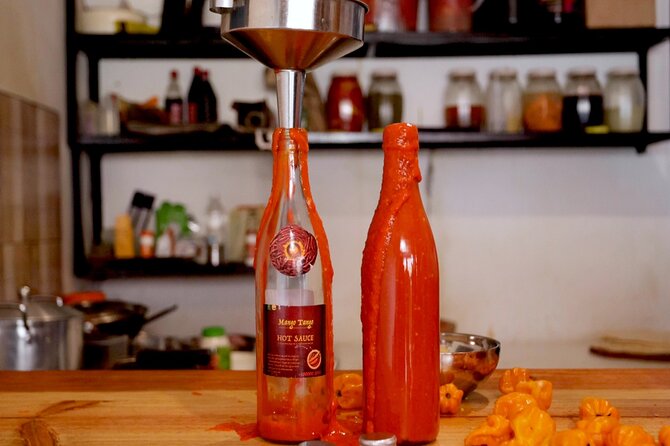
The $35 fee is fair if you value instruction, participation, and a take-home product. You receive more than a sample because you make the sauce yourself and leave with a bottle.
The price also covers the core materials, including the peppers, mixing ingredients, and bottle. That makes budgeting easy. Transportation, extra food, and drinks are not included, so keep those costs separate.
For a 90-minute session, the value depends on your interest in food. If you only want a quick taste of local cuisine, a meal may be a better choice. If you want to learn a process and leave with something you made, this is a stronger use of your time and money.
The perfect score shown for the activity comes from five ratings, so I would treat it as encouraging but not as a guarantee that every person will love the heat. The written feedback consistently points to the fun of making the sauce, the flavor, the strong heat, and the personal guidance from James.
Booking, timing, and practical details
The activity lasts 90 minutes, with starting times based on availability. Since you arrange your own transportation, check the location details carefully and plan your route through Kigali before the day begins.
You can cancel up to 24 hours in advance for a full refund. The reserve-now, pay-later option also lets you hold a place without paying immediately, which is useful if your Rwanda plans are still changing.
The class is offered in English and Russian. It is limited to 10 participants, so the format should feel more focused than a large group demonstration.
Bring an appetite for tasting, but do not expect a meal. Extra food and drinks are not included. Wear something you do not mind cooking in, although no special clothing requirement is provided in the activity details.
Should you book this Kigali hot sauce class?
Book it if you like food, want a hands-on activity, and enjoy the idea of carrying a spicy piece of Rwanda home with you. The local Pili Pili pepper, fermentation advice, small group size, and personal guidance from James give the session more substance than a simple condiment tasting.
Skip it if you have a pepper allergy, strongly dislike spicy food, or want a full cooking class with a meal included. For everyone else, $35 buys a lively 90-minute experience, a custom bottle, and a practical way to connect with Kigali’s food culture.
I would especially recommend it for people with a free afternoon or a gap between larger sightseeing plans. It is short, personal, and easy to remember, provided you respect the heat.
FAQ
How long does the hot sauce activity last?
The activity lasts 90 minutes.
How much does the experience cost?
The price is $35 per person.
Which peppers can I use?
The selection includes Jalapeños, Habaneros, and Pili Pili, a local favorite in Rwanda.
Do I make my own hot sauce?
Yes. You choose peppers, mix the ingredients, taste the sauce, and adjust it to your liking.
Can I take the hot sauce home?
Yes. A bottle is included, and you can take your finished sauce home.
Is transportation included?
No. Transportation is not included in the price.
Are food and drinks included?
No. Extra food and drinks are not included.
What languages are available?
The instructors provide the activity in English and Russian.
Is this activity suitable for someone with a pepper allergy?
No. The activity may not be suitable if you have a pepper allergy or cannot handle spicy food.
Just added around Kigali
- Private Half-Day Guided Kigali City Tour with Coffee Break Included★ 5.0 · 6 reviews
- Vegan Fine Dining Experience★ 5.0 · 5 reviews
- Private Transfer from Kigali Airport (KGL) to Kigali★ 4.0 · 5 reviews
- 2 Days Mountain Gorilla Safari Rwanda★ 5.0 · 4 reviews
- 1 Day Akagera Wildlife Safaris Rwanda (2 Pax Min)★ 5.0 · 5 reviews
- Private Memorial Day Tour Ntarama and Nyamata★ 5.0 · 3 reviews
- From Kigali: 8 Hour Day-trip Lake Kivu Cruise Experience★ 4.5 · 3 reviews
- Ntarama and Nyamata Genocide Memorial Day Tour★ 4.5 · 3 reviews
Kigali Tours, compared.


One-day Akagera National Park Game Drive with a Choice 4×4
Read our review →
Private Full-day Kigali City Tour with Pickup and Lunch
Read our review →

Private 1 Day Akagera Big Five Safari with pick up and lunch.
Read our review →
Mount Kigali and Cultural Village Tour with Snacks
Read our review →Browse the lists this tour appears in