
Reviewed · KIGALI TOURS
Kigali: Traditional Basket Weaving in a Garden
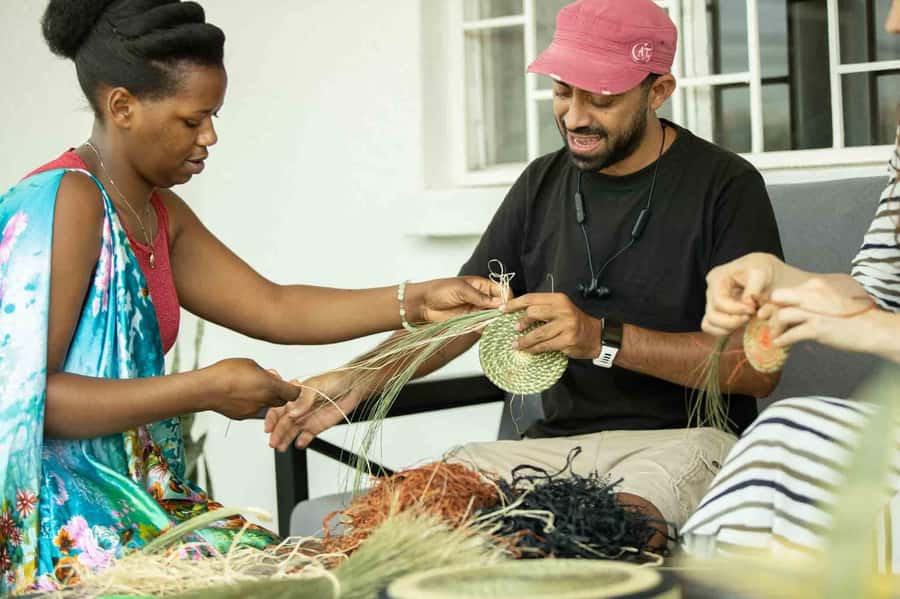
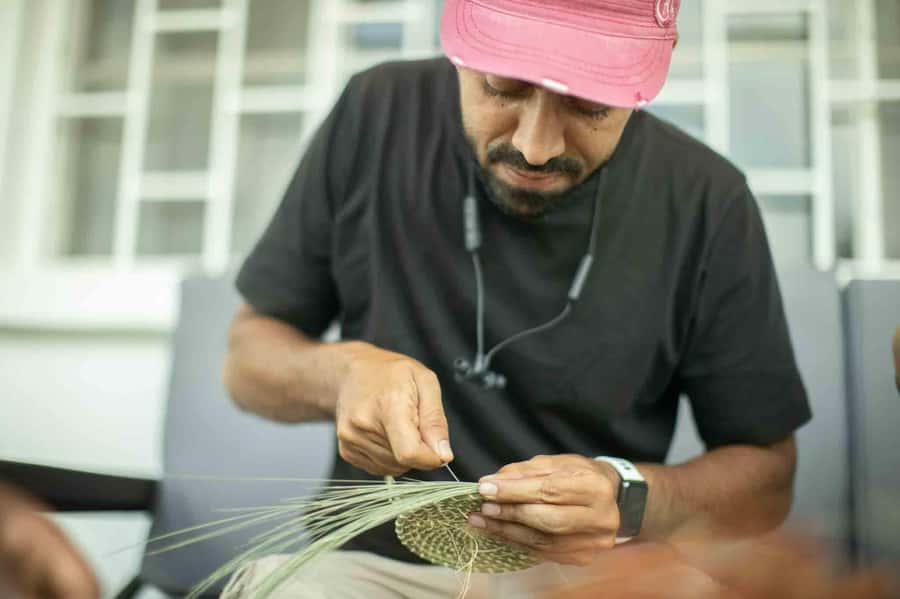
A small basket can tell you more about Rwanda than a souvenir shop shelf ever will. In this Kigali workshop, local women show you how papyrus leaves become useful objects, then explain the meaning carried by the patterns. You work with your own hands, not just watch a demonstration.
I like the patient instruction, especially from Sandrine, whose calm teaching has helped beginners make coasters, bowls, and tiny baskets. I also like the garden setting, which gives the two-hour session a quiet, social feel, sometimes with coffee or tea nearby. The main consideration is that weaving takes practice. Your finished piece may be modest in size, and a translator may be needed if you do not speak English or French.
What makes this Kigali workshop worth your time
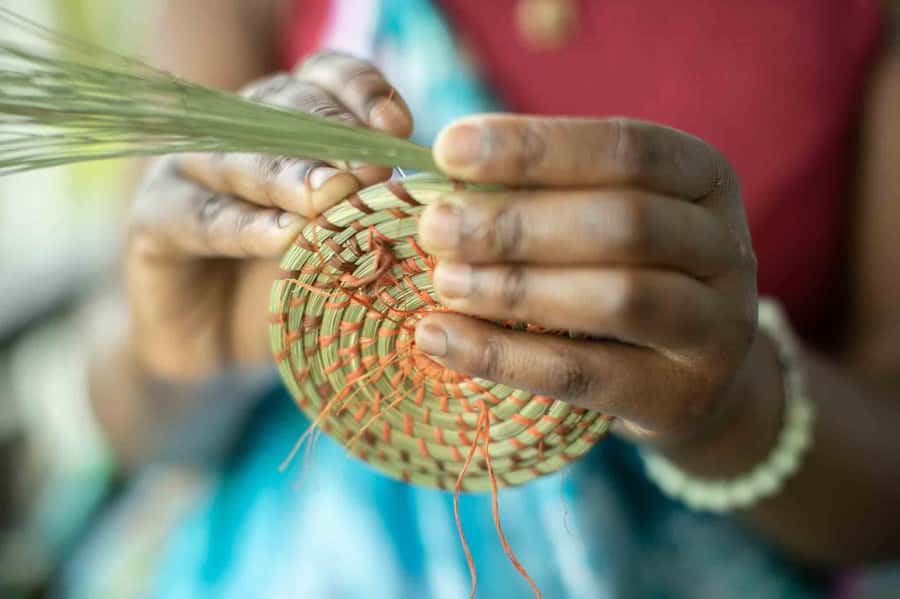
- You learn by making: The session is hands-on from the start, with materials and tools supplied.
- Papyrus becomes personal: You may create a coaster, small bowl, or little basket to carry home.
- Sandrine teaches with patience: Her careful guidance suits first-time crafters who need time to find the rhythm.
- The garden slows things down: This is a calm break from Kigali sightseeing, with a pleasant setting for conversation.
- Your money supports local artisans: The activity is designed to direct economic benefit to Rwandan craftspeople, especially local women.
- The stories matter: Patterns and basket designs connect the craft to Rwandan customs and family traditions.
Starting with stories, tools, and a warm welcome
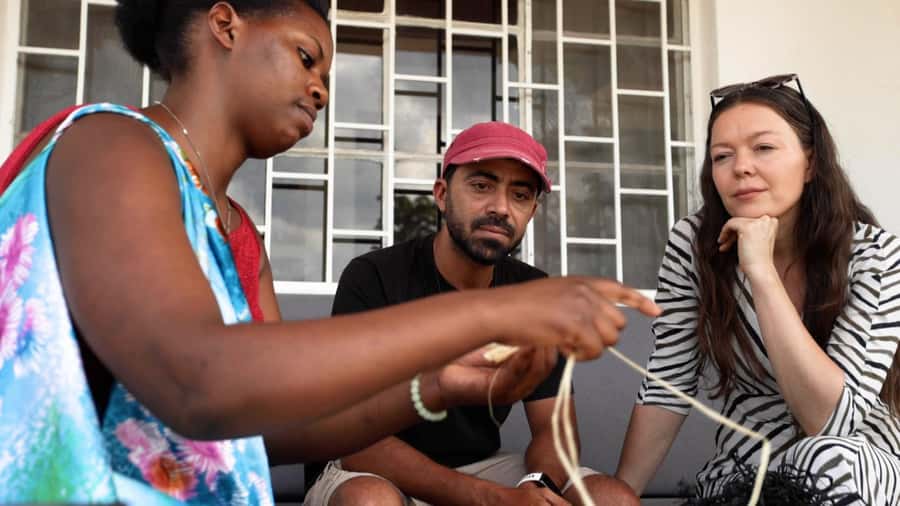
The class begins with an introduction by local Rwandan artisans. You hear about the role of basket weaving in Rwanda, the way the skill passes between generations, and why particular designs and colors matter.
That opening is important. Without it, weaving can feel like a simple craft project. With it, the strips of plant material have a clearer place in daily life and culture. You begin to see the basket as more than something decorative.
Your instructor then provides the materials and tools. The class is taught in English and French, and a translator may help when a more detailed explanation is needed. This is useful because the lesson is not only about hand movements. You also want to understand the language used for patterns, local customs, and the artisans’ own stories.
The welcome appears to be personal rather than formal. The women leading the class share their own connection to the work, which gives the activity a direct human touch. You are not being rushed through a standard demonstration designed for a large crowd.
Other Kigali days people book alongside this one:
- Kigali City Tour
★ 5.0 · 452 reviews - Kigali: Walking Tour with a Local Guide
★ 4.9 · 234 reviews - One-day Akagera National Park Game Drive with a Choice 4×4
★ 5.0 · 105 reviews
Finding the rhythm of Rwandan weaving
The central part of the session is practical. You learn how to handle the material, keep the shape steady, and build the object little by little. At first, the process can feel awkward. The strands may not sit where you expect, and keeping an even shape takes concentration.
That is where the instructors make the difference. Sandrine is especially good at taking her time, showing each step, and correcting mistakes without making a beginner feel clumsy. One participant managed a tiny basket after watching her work, while others made a coaster or a small bowl. The instructors have even allowed extra time when someone needed to finish.
You should not expect to produce a large, elaborate Rwandan basket in two hours. A small finished item is the realistic goal. That is not a weakness. A coaster or little bowl is easier to complete, pack, and carry, and it gives you a useful reminder of the lesson rather than a fragile object you must guard for the rest of your trip.
I like the pace here. The weaving gives your hands something to do while conversation develops naturally. You can ask questions, watch an expert work at remarkable speed, and compare your early attempts with the instructor’s neat, confident technique.
Reading patterns, colors, and family tradition
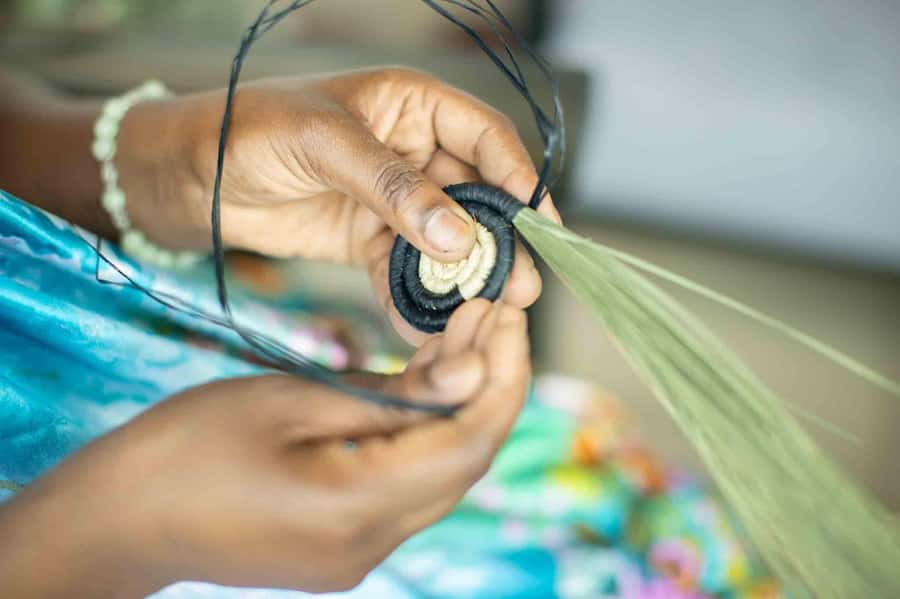
Basket designs in Rwanda carry cultural meaning. During the class, the artisans explain the significance of the patterns and colors used in their work. The details help you understand why these baskets are valued beyond their practical use.
The workshop also gives you a chance to ask about the craft directly. You can hear how skills are passed down and how basket making supports the women who teach it. This connection is one of the strongest reasons to choose the class over buying a ready-made basket without context.
The cultural discussion may vary by instructor and by group. One participant wanted more stories and music during the weaving, so you should speak up if you want a longer conversation about regional traditions. The session focuses on making, and the amount of storytelling may depend on the questions you ask and whether translation is required.
That flexibility can work in your favor. If you are curious about design, materials, or the women’s work, ask early. If you mainly want a quiet creative activity, you can let the weaving take the lead.
A garden setting with room to relax
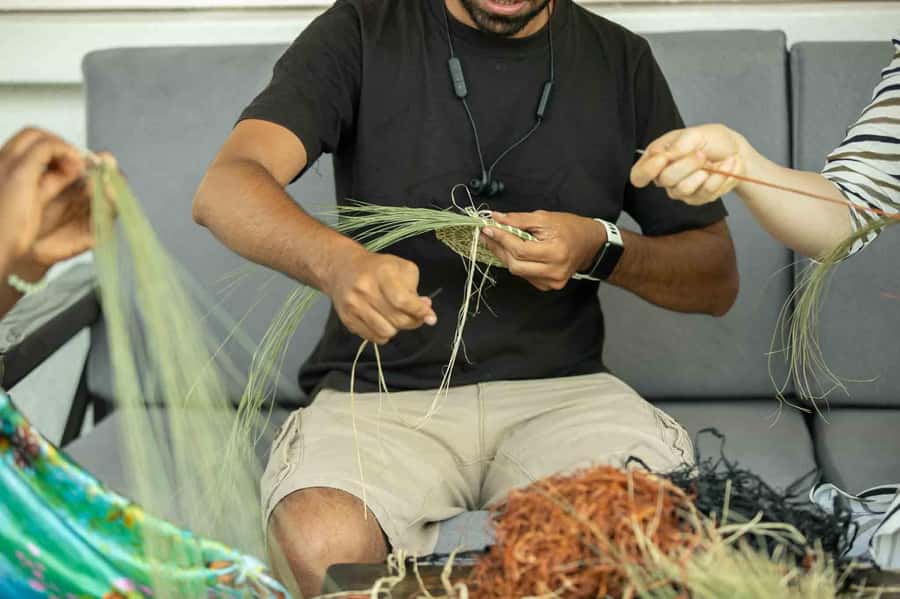
The location is described as a garden, and the setting is part of the appeal. You sit among greenery rather than in a stark classroom, which suits a craft that depends on patience and conversation.
Several participants appreciated the cozy atmosphere. The setting has also been connected with a coffee shop, and one session included a free coffee, while another person enjoyed tea during the class. These drinks are not listed as a formal inclusion, so you should treat them as a possible feature of the location rather than a guaranteed part of every booking.
The garden setting also makes the activity a good pause between more demanding Kigali outings. Two hours is long enough to feel worthwhile, but short enough to fit into a day of sightseeing. You are still doing something active, yet the mood is more restful than a crowded attraction or a long vehicle excursion.
The drawback is simple: transportation is not included. You need to arrange your own way to the activity location, and the supplied information does not give a pickup service or a precise meeting point. Check the location details carefully before booking, especially if you are planning a tight schedule.
Same hills, a completely different day out:
- Private Full-day Kigali City Tour with Pickup and Lunch
★ 5.0 · 79 reviews - Kigali Walking Tour
★ 4.5 · 78 reviews - Kigali E-Bike City Tour with Breakfast
★ 4.9 · 73 reviews - Private 1 Day Akagera Big Five Safari with pick up and lunch.
★ 5.0 · 72 reviews
What you take home
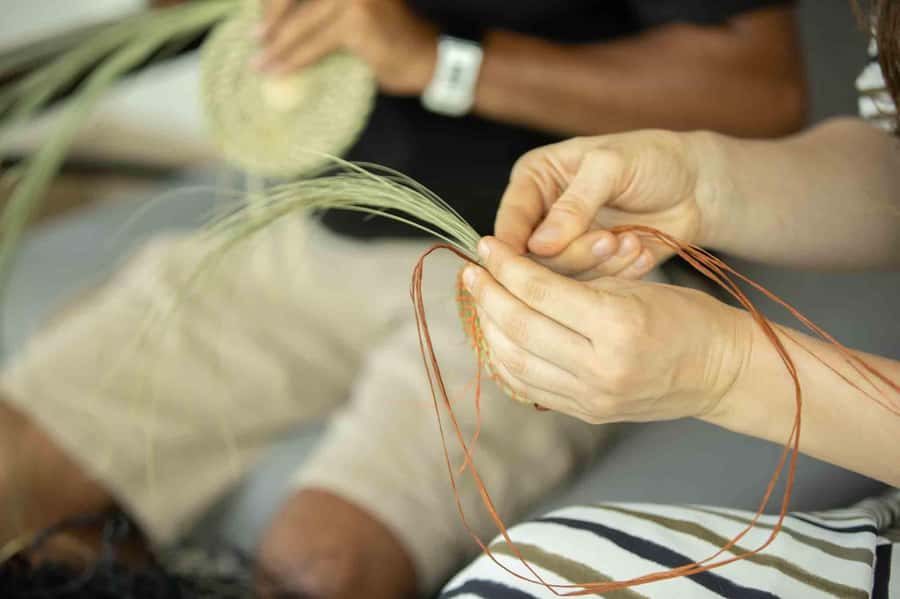
The finished item is usually small, but it has more value than a generic souvenir because you made it yourself. Depending on your pace and the instructor’s plan, you may finish a coaster, a small bowl, or a tiny basket.
The result will probably show that you are a beginner. That is part of the charm. The uneven edge or slightly wobbly shape is a record of your time with the artisan, not a defect that needs hiding.
You also take home a better sense of the craft. After watching an expert weave quickly and neatly, you will look at finished Rwandan baskets with more respect. The work requires control, patience, and a good feel for shape. A shop purchase gives you the object. This class gives you some understanding of the effort behind it.
Pack your finished piece with care. Small woven items are easier to carry than large baskets, but they can still be bent or crushed in luggage. The activity does not list special packing materials, so bring a little space in your bag and handle the item gently.
The people who make the class special
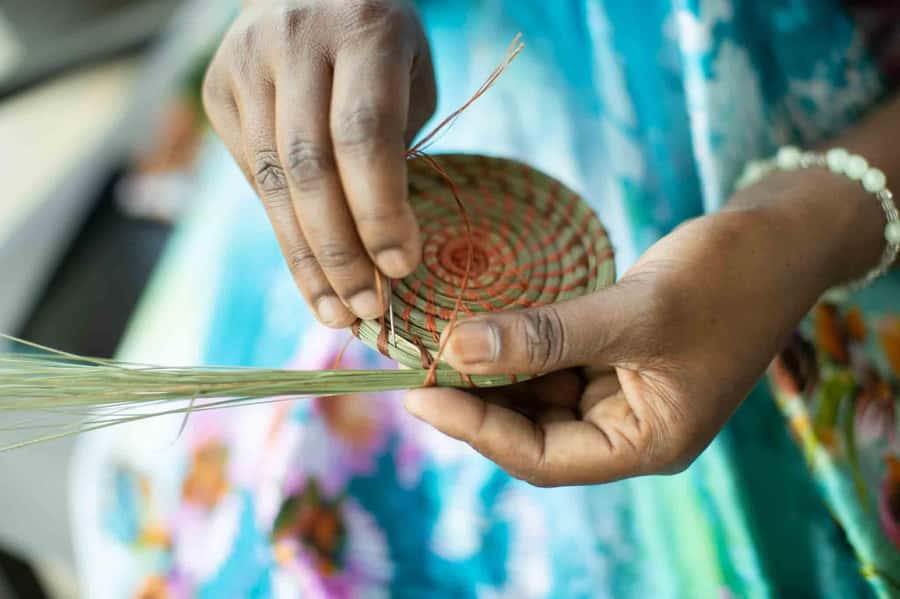
The instructors are the heart of this activity. Sandrine receives repeated praise for being kind, skilled, and patient, and those qualities matter more here than a polished presentation.
A good craft teacher watches your hands, notices where the shape is going wrong, and offers help before frustration takes over. That seems to be the tone of this class. You are encouraged to keep trying, and the teacher may stay with you until the piece is complete.
The class also works well for people who may not fit the usual craft workshop image. One man was the only male participant in his session and still enjoyed making a coaster for home. The activity is about learning a traditional skill, not about having prior knowledge or fitting into a particular group.
The small-group format is another plus. It leaves more room for questions and individual help than a large demonstration. The exact group size is not specified, so do not assume a private lesson, but the available accounts point to an intimate workshop rather than a packed class.
The value of 30 dollars
At $30 per person, this is not the cheapest way to buy a small basket in Kigali. That is the wrong comparison.
You are paying for two hours of instruction, all materials and tools, cultural explanation, direct contact with local artisans, and a handmade item you create yourself. The price also helps support local women and craftspeople economically. For someone who values personal contact and responsible spending, that makes the fee reasonable.
The value is strongest if you ask questions and take part fully. If you only want a polished souvenir, a market purchase may be faster and less expensive. If you want to understand how the object is made and contribute to the people who keep the skill alive, the workshop offers more.
The activity has received a rating of 4.8 from 41 ratings, with especially strong praise for the teachers, the calm location, clear instruction, and finished souvenirs. The consistent pattern is useful: this is a good choice for a hands-on cultural activity, not a major sightseeing tour packed with landmarks.
Who should book this experience
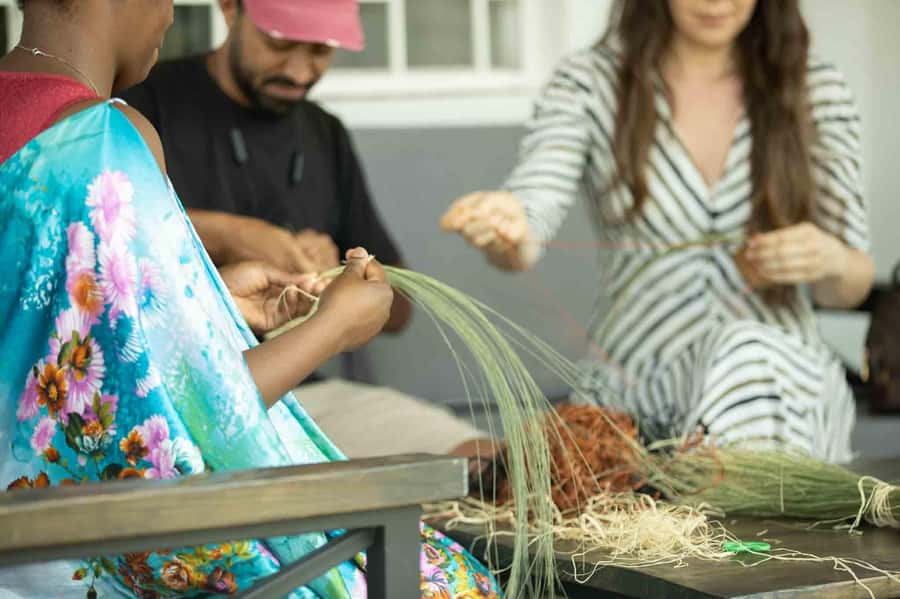
I would choose this workshop if you want a slower Kigali activity with a clear local connection. It suits solo visitors, couples, families with an interest in crafts, and small groups looking for something different from museums and city drives.
It is also a good fit if you like bringing home meaningful objects. Your piece may be small, but you will remember the person who taught you and the effort needed to make it.
The session may not suit you if you dislike detailed handwork or expect a large finished basket. The activity is also listed as unsuitable for people with food allergies. The reason for that restriction is not explained, so contact the provider before booking if this affects you.
You should also consider language. Instruction is available in English and French, with translation used when needed. If you speak neither language, confirm that translation support will be available for your date.
Practical details before you reserve
The workshop lasts two hours, and starting times depend on availability. That makes it easy to fit into a Kigali itinerary, but you should leave enough space around the appointment for finding the location since transportation is not included.
The provider is NuttinTODO. The price is $30 per person, and you can reserve now and pay later, which helps if your Rwanda plans are still changing.
Cancellation is free up to 24 hours in advance for a full refund. That is useful for a trip where weather, transport, or other plans may shift, but read the booking terms for the exact time cut-off attached to your reservation.
All materials and tools are included. Personal expenses and transport are not. Coffee or tea may be available at the garden or coffee-shop setting, but they should not be treated as guaranteed inclusions.
Bring patience rather than special equipment. Wear something comfortable for sitting and working with your hands, and keep room in your luggage for the finished item. The supplied information does not specify a dress code or equipment requirement.
My verdict on this two-hour Kigali activity
Book it if you want to meet local artisans, support a community-based activity, and learn a skill that gives Rwandan baskets more meaning. The strongest features are the patient teaching, the chance to make a small keepsake, and the peaceful garden setting.
I would not book it as a substitute for a major cultural or historical tour. This is a focused workshop. You spend most of your time weaving, talking, and listening, with only a modest object to show for the work.
For $30, though, it offers a fair exchange: direct instruction, cultural context, materials, and a handmade reminder of Kigali. Ask questions, take your time, and accept that your first basket may have its own personality. That is exactly what makes it yours.
FAQ
Where does the basket-weaving activity take place?
The activity takes place in Kigali Province, Rwanda, in a garden setting.
How long does the workshop last?
The workshop lasts two hours. Starting times vary, so you need to check availability for your chosen date.
How much does it cost?
The price is $30 per person.
Are materials and tools included?
Yes. The workshop includes all materials and tools needed for the weaving activity.
What can I make during the class?
Depending on your pace and the class plan, you may make a coaster, small bowl, or little basket to take home.
Who teaches the workshop?
Local Rwandan artisans lead the session. Sandrine is one of the instructors mentioned for her patient and helpful teaching.
What languages are available?
Instruction is available in English and French. Translation may be provided when needed.
Is transportation included?
No. You must arrange your own transportation to and from the activity location.
Can I cancel or pay later?
You can cancel up to 24 hours in advance for a full refund. The activity also offers reserve now and pay later booking.
Just added around Kigali
- Kigali: Horse Riding Trail in Mount Kigali★ 4.9 · 13 reviews
- Rwandan and Syrian Food Tour★ 5.0 · 4 reviews
- Three-day Nyungwe Canopy and Kivu Lake Adventure★ 5.0 · 5 reviews
- One Day Golden Monkey and Cultural tour★ 4.0 · 7 reviews
- 1 Day Canopy walk way in Nyungwe Natioinal park★ 5.0 · 6 reviews
- Walking Food Tour in Remera and Kigali★ 5.0 · 4 reviews
- 3 Day Rwanda to Uganda gorilla trekking Safari★ 5.0 · 5 reviews
- 3 Days Private Bwindi Gorillas and Volcanoes Golden Monkey Trek★ 5.0 · 4 reviews
Kigali Tours, compared.


One-day Akagera National Park Game Drive with a Choice 4×4
Read our review →
Private Full-day Kigali City Tour with Pickup and Lunch
Read our review →

Private 1 Day Akagera Big Five Safari with pick up and lunch.
Read our review →
Mount Kigali and Cultural Village Tour with Snacks
Read our review →Browse the lists this tour appears in