
Reviewed · KIGALI TOURS
Kigali: Traditional Carpet Weaving (Ikirago) + amazing views
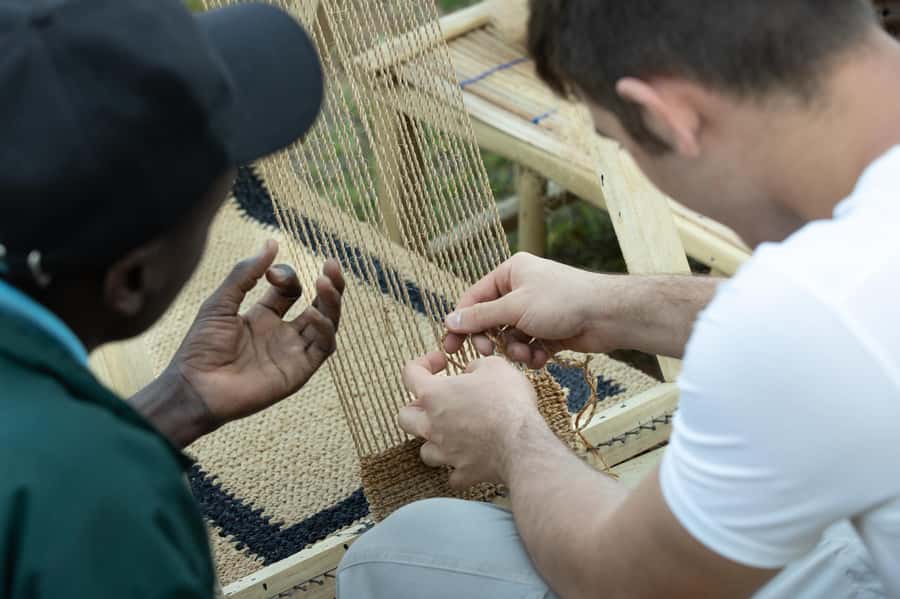
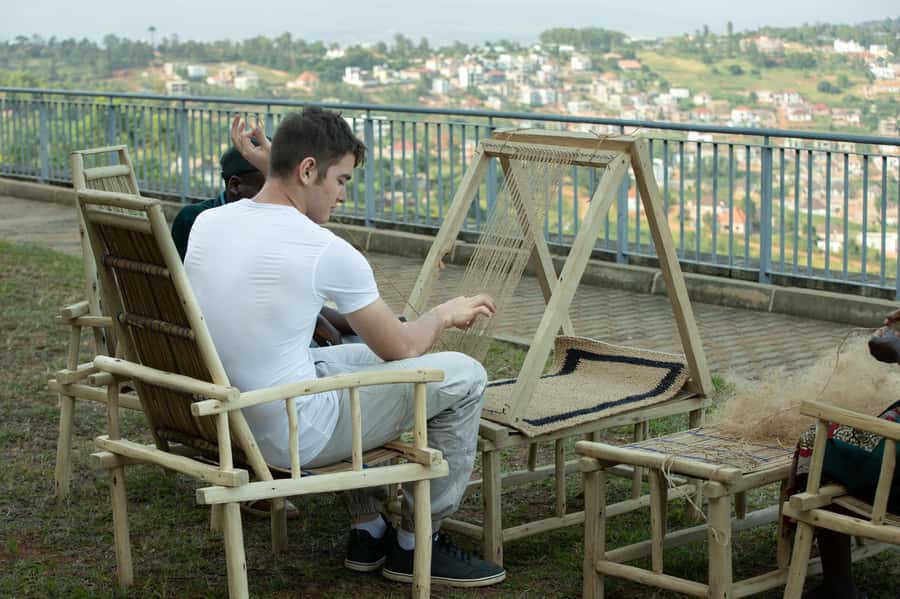
The most rewarding part of this Kigali experience is that you do not just look at a finished Ikirago carpet. You learn how it is made, then use sisal fiber and traditional methods to create a small piece of your own. The workshop also comes with lovely views, giving the three-hour session a pleasant setting.
I like two things right away: the direct help from local artisans, and the fact that your finished mini carpet comes home with you. You also get a clear introduction to the meaning of Ikirago patterns and colors, rather than treating the craft as a simple souvenir-making exercise.
The main drawback is time. Three hours is enough for a beginner project, but the pace may feel tight if your weaving is slow. One participant found that more than three hours might be useful, so do not book this between two fixed appointments.
Key points to know before you book
- Create your own mini Ikirago carpet: Use sisal fiber and traditional tools to make a wall decoration, table mat, or another small item.
- Learn inside a working studio: You see artisans at work and can view additional designs after your own weaving session.
- Hear the meaning behind the craft: The workshop explains the cultural importance of Ikirago, including the stories linked to its colors and patterns.
- Plan for three hands-on hours: The activity is not a quick demonstration. You will spend real time learning and weaving.
- Bring patience, not previous skill: The class is beginner friendly, though a slower pace may require extra time.
- Allow for your own transport and refreshments: Hotel pickup, drop-off, lunch, and drinks are not included.
Why this Kigali craft class feels different
Many city activities give you a quick look at local culture, followed by a shop visit. This one gives you a task. You sit down, handle the material, follow instructions, and make decisions as the work takes shape.
Ikirago carpets are made with sisal fiber, a natural material used in traditional weaving. The craft is connected to more than decoration. The colors and patterns carry cultural meaning, and the opening part of the workshop explains those ideas before you begin.
That order matters. You first learn what you are looking at, then try the work yourself. Even a small mat becomes easier to appreciate when you understand that its design is part of a wider tradition.
The setting is a traditional weaving studio rather than a formal classroom. You will see the working space, meet artisans, and watch other designs being made. The atmosphere is described as intimate, which suits an activity where you need to ask questions and receive help with your hands close to the fiber.
You should also expect a calm pace. A French participant described the activity as relaxing and praised the patience and skill of the young woman leading the session. No instructor name is provided, but the class is conducted in English, and personal guidance is included.
Other Kigali days people book alongside this one:
- Kigali City Tour
★ 5.0 · 452 reviews - Kigali: Walking Tour with a Local Guide
★ 4.9 · 234 reviews - One-day Akagera National Park Game Drive with a Choice 4×4
★ 5.0 · 105 reviews
The first stage: stories, colors, and patterns
The session begins with an introduction to Ikirago and its place in local culture. You learn why these carpets matter and how the patterns and colors connect to stories and ideas.
This is not a long lecture in the information provided, so expect a practical introduction rather than a full museum-style history lesson. Still, it gives the weaving a useful frame. You will know more about the piece you are making than you would if you simply purchased one from a market.
Pay attention during this section. The finished item is small, and your technique may not look polished on the first attempt. The cultural meaning gives your work value even when the edges are not perfectly even.
If you are interested in handmade objects, this explanation may be the strongest part of the activity. You are not only learning a method. You are learning why the method and designs are worth preserving.
Working with sisal fiber for the first time
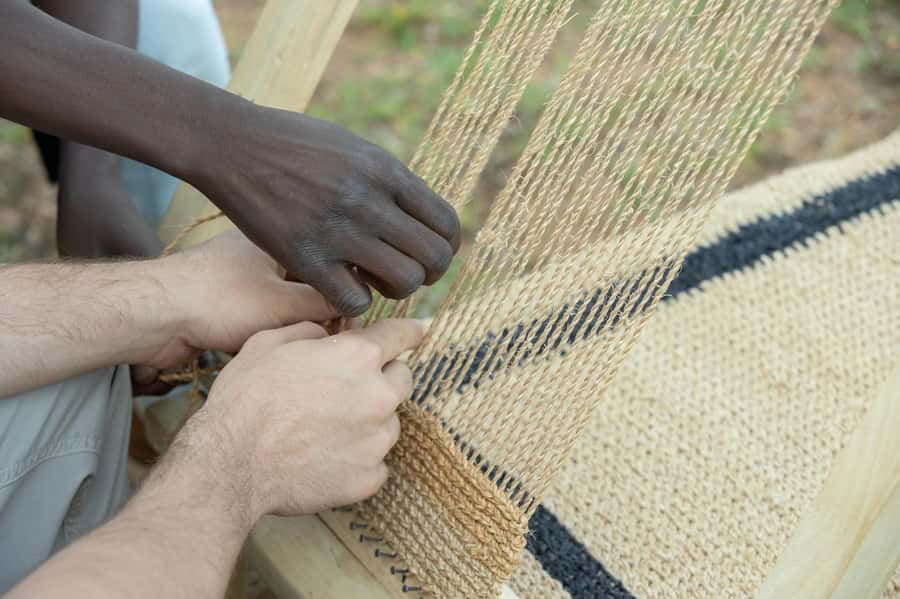
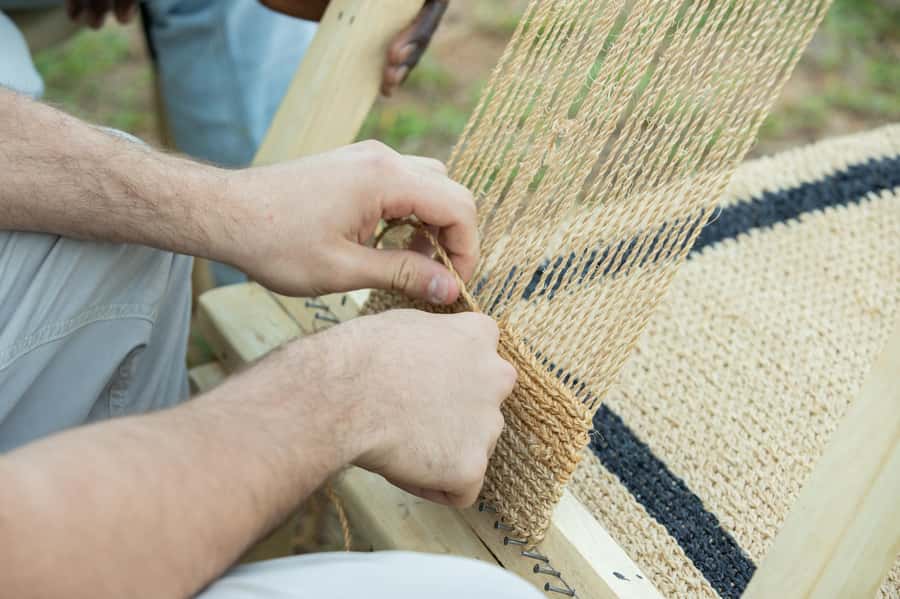
After the introduction, the real work begins. The instructor shows you the basic weaving techniques, then guides you as you use sisal fiber and the supplied tools.
You do not need previous experience. The class is designed for beginners, and an artisan is available at each stage to demonstrate, correct, and encourage your progress. That support is important because weaving can look simple until you try to keep the material and pattern under control.
You may find the fiber has a very different feel from soft yarn or cloth. The process is hands-on, and you will need to concentrate on the technique. Comfortable clothing is sensible, especially since you will be seated and working with materials for much of the session.
The workshop supplies all necessary materials and equipment. You may bring a favorite weaving tool if you have one, but there is no need to arrive with special gear.
Do not judge the experience by how quickly you finish. The aim is to learn the basics and make a personal mini carpet, not to match the speed of someone who has practiced for years. The artisan’s help lets you focus on learning instead of worrying about every mistake.
Making a mini carpet in three hours
The central project is a mini Ikirago carpet. Depending on your result, you can use it as a wall hanging, table mat, or another small decoration.
The project is a smart size for a short city activity. A full-size carpet would require more time, more material, and a much longer commitment. The mini version gives you a genuine task with a realistic chance of taking something home at the end.
Still, three hours should be treated as an approximate working period, not a promise that every person will finish at the same pace. One verified participant rated the activity four out of five and noted that people with different skill levels may need more than three hours.
That is useful advice. If you are precise, cautious, or completely new to handcrafts, you may spend much of the session learning the basic movements. You might finish a simpler piece rather than a highly detailed design.
I would schedule this when you have room to breathe. Do not place it immediately before an important meal, transfer, or timed visit. Arriving at least 15 minutes early also matters, since the session is expected to start on time.
Same hills, a completely different day out:
- Private Full-day Kigali City Tour with Pickup and Lunch
★ 5.0 · 79 reviews - Kigali Walking Tour
★ 4.5 · 78 reviews - Kigali E-Bike City Tour with Breakfast
★ 4.9 · 73 reviews - Private 1 Day Akagera Big Five Safari with pick up and lunch.
★ 5.0 · 72 reviews
A closer look at the studio and finished designs
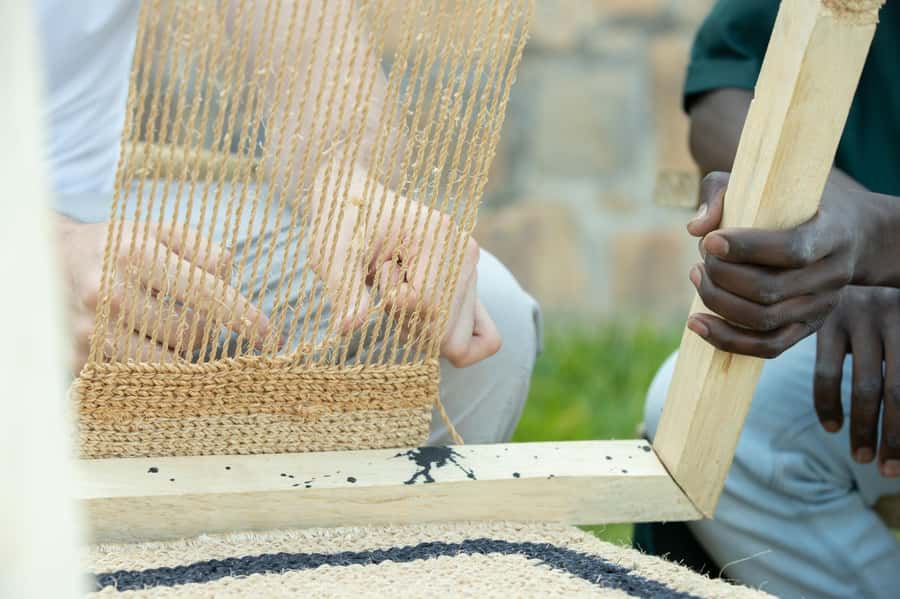
The final part includes a tour of the weaving studio. You can see the artisans working and look at more examples and designs.
This closing visit helps put your own piece in context. Your mini carpet may be modest, but the additional work shows what experienced hands can produce. It also gives you a chance to notice patterns, colors, and finishing details that you may have missed while concentrating on your own project.
The studio visit is valuable for another reason. It keeps the focus on the people who maintain the craft. You are not simply receiving a pre-made object. You have spent time in the place where the work is taught and produced.
You can bring a camera, so this is a good point to record the studio, the materials, and your finished work. Ask before photographing people or private areas, since the supplied information only confirms that a camera is recommended, not that every part of the studio may be photographed.
What $30 buys you in Kigali
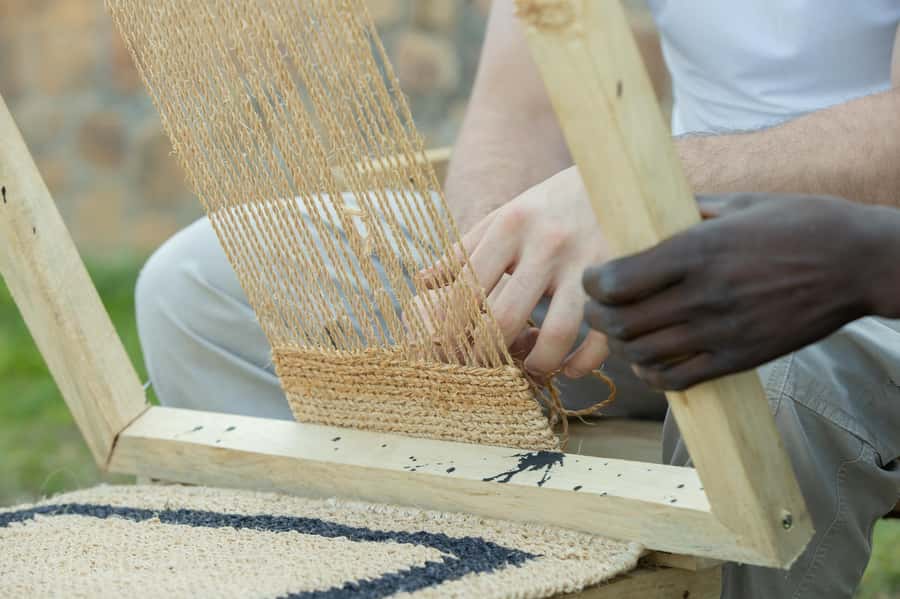
The price is $30 per person. For that amount, you receive the three-hour guided workshop, all materials and tools, direct instruction from experienced local artisans, and your own mini Ikirago carpet.
The value depends on what you want from a cultural activity. If you only want a cheap souvenir, this is not the quickest route. You pay for time, instruction, access to a working studio, and the chance to make the item yourself.
For a visitor who likes practical experiences, the price is easier to justify. You get a cultural explanation, a hands-on lesson, and a finished object with a story attached to it. The souvenir is not merely something you picked from a shelf. It records the time you spent learning.
Remember the extras. Hotel pickup and drop-off are not included, so you must arrange your own way to the workshop location. Lunch and drinks are also outside the price. Bring food and water if you need them, and allow enough time for transport on both sides.
Personal purchases and souvenirs beyond the mini carpet are not included either. The activity gives you one project, but you may find additional designs or handmade items at the studio that cost extra.
Who will enjoy this experience most
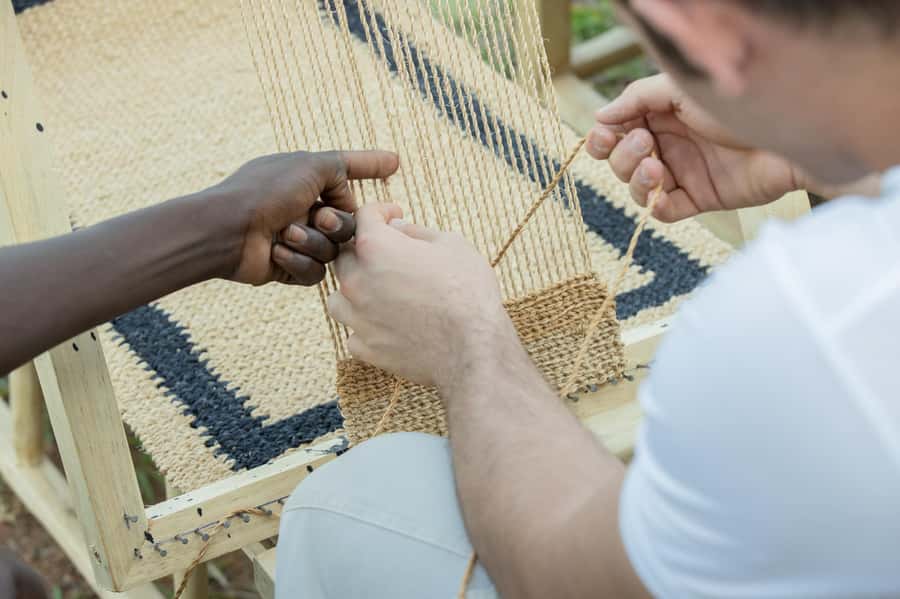
This workshop suits adults and older teenagers who like making things with their hands. It is especially fitting if you have already visited Kigali’s major sights and want a slower activity with a clear local focus.
You do not need to be artistic. Beginners are welcome, and the artisans provide instruction throughout. A patient attitude matters more than technical ability.
It also works well for anyone looking for a meaningful take-home item. A mini carpet is light, practical, and easy to display as a wall decoration or use as a table mat. You can explain how you made it, which gives it more character than a standard souvenir.
The age rules are specific: children under 12 are not suitable for the activity, and it is not suitable for people over 70. The information does not explain why, so follow those limits when booking.
This may not be the best choice if you dislike seated craft work or want a fast sightseeing stop. Three hours is a real commitment, and the weaving itself requires focus. It is also less suitable for anyone with a packed itinerary or no interest in handmade traditions.
Practical advice for a smooth session
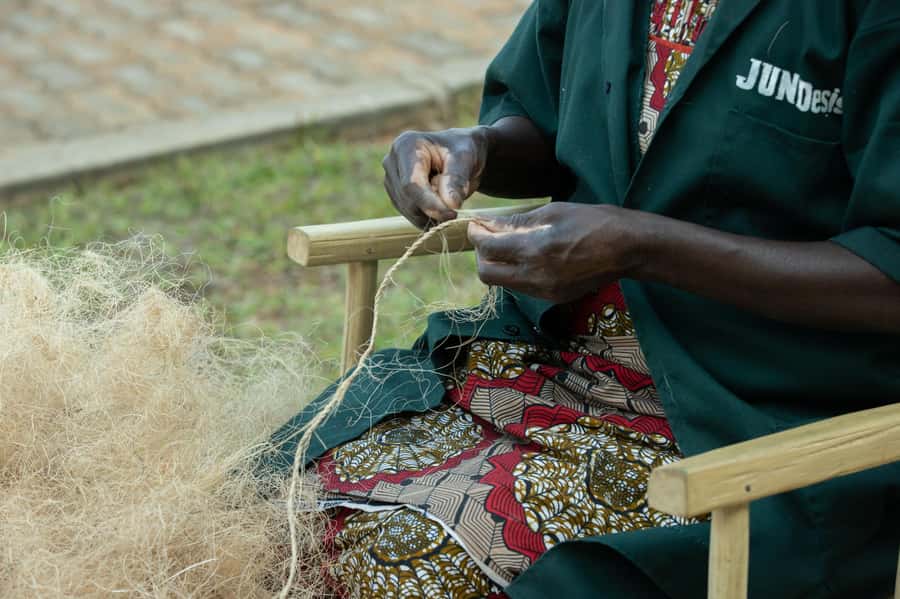
Wear comfortable clothes. You will be working with sisal fiber and traditional equipment, so comfort is more useful than dressing for a formal outing.
Arrive at least 15 minutes early. That gives you time to settle in and helps the class begin without cutting into the weaving period.
Bring a camera, food, and drinks. Hotel transport, lunch, and beverages are not supplied. You can also bring a preferred weaving tool, although the studio provides the equipment you need.
English is the listed teaching language. If you book, make sure you can follow spoken English instructions well enough to understand the demonstrations and ask for help.
The activity offers free cancellation up to 24 hours before the start time for a full refund. You can also reserve now and pay later, which helps if your Kigali plans are still shifting. Check the available start times before booking, since the schedule is not fixed in the information provided.
How the activity compares with a standard souvenir stop
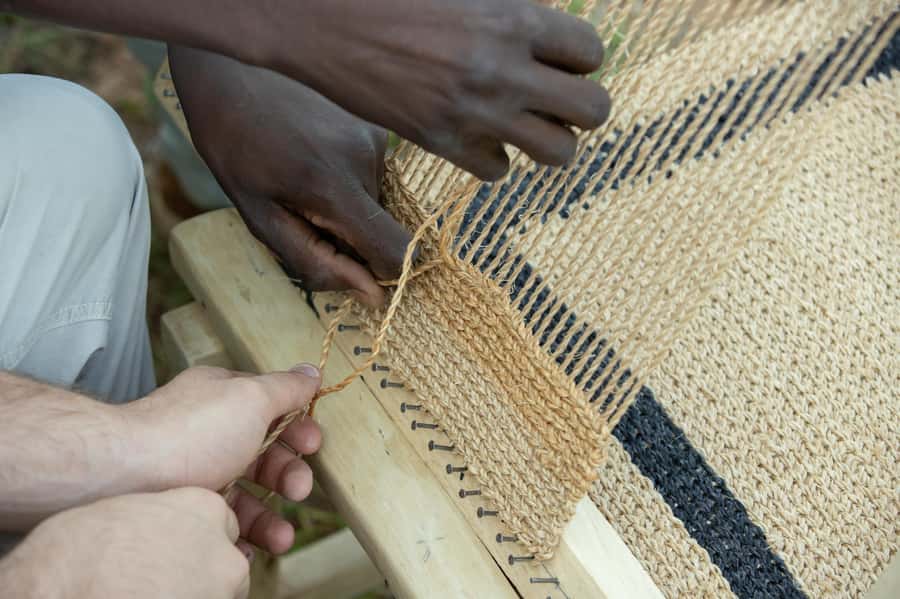
A normal souvenir purchase takes minutes. You choose an object, pay, and carry it away. This workshop asks you to spend time with the material and the people who know the craft.
That extra time is the point. You learn why patterns and colors matter, see the studio in use, and gain a basic understanding of a traditional technique. Your own piece may have small flaws, but those marks show that you made it.
There is also a useful balance between guidance and independence. Artisans lead the process, yet you still do the weaving. You are not watching a demonstration from the side.
The tradeoff is that your finished work may not look like the examples made by experienced weavers. Go in expecting a first project, not a perfect professional carpet. The activity is most successful when you value the process as much as the object.
Should you book the Ikirago weaving experience?
I would book this for a three-hour gap in Kigali if you want a hands-on cultural activity and a useful souvenir with a personal story. The local studio setting, English instruction, artisan support, and explanation of patterns make it more substantial than a quick craft demonstration.
Book with realistic expectations. You must arrange your own transport, bring refreshments, and accept that three hours may not be enough for every skill level. If you want a relaxed introduction to sisal weaving and like the idea of taking home a mini carpet you made yourself, the $30 price is fair. If you want rapid sightseeing or dislike patient, detailed work, choose another Kigali activity.
FAQ
How long does the Ikirago weaving activity last?
The workshop lasts three hours. You should arrive at least 15 minutes early so the session can begin on time.
How much does the experience cost?
The price is $30 per person.
Is the workshop suitable for beginners?
Yes. No previous weaving knowledge is required, and local artisans guide you through the techniques.
What will I make during the workshop?
You will make a mini Ikirago carpet using sisal fiber. It can be used as a wall decoration, table mat, or for another purpose you choose.
Are materials and tools included?
Yes. All necessary materials and equipment are provided. You may bring a favorite weaving tool if you wish.
Is transportation included?
No. Hotel pickup and drop-off at the workshop location are not included.
Is food or drink included?
No. Lunch and drinks are not included. You are advised to bring food and drinks.
What is the cancellation policy?
You can cancel up to 24 hours in advance for a full refund. The activity also allows you to reserve now and pay later.
Just added around Kigali
- Private Half-Day Guided Kigali City Tour with Coffee Break Included★ 5.0 · 6 reviews
- Vegan Fine Dining Experience★ 5.0 · 5 reviews
- Private Transfer from Kigali Airport (KGL) to Kigali★ 4.0 · 5 reviews
- 2 Days Mountain Gorilla Safari Rwanda★ 5.0 · 4 reviews
- 1 Day Akagera Wildlife Safaris Rwanda (2 Pax Min)★ 5.0 · 5 reviews
- Private Memorial Day Tour Ntarama and Nyamata★ 5.0 · 3 reviews
- From Kigali: 8 Hour Day-trip Lake Kivu Cruise Experience★ 4.5 · 3 reviews
- Ntarama and Nyamata Genocide Memorial Day Tour★ 4.5 · 3 reviews
Kigali Tours, compared.



One-day Akagera National Park Game Drive with a Choice 4×4
Read our review →
Private Full-day Kigali City Tour with Pickup and Lunch
Read our review →

Private 1 Day Akagera Big Five Safari with pick up and lunch.
Read our review →
Mount Kigali and Cultural Village Tour with Snacks
Read our review →Browse the lists this tour appears in