
Reviewed · KIGALI TOURS
Kigali: Traditional Kubumba Pottery Making with Local Women
Kigali’s Kubumba pottery session puts wet clay in your hands and local women beside you. You learn by shaping, molding, and decorating your own piece, rather than simply watching a demonstration. I like the patient, personal teaching, especially for children, and I like that your $30 helps support local community work through NuttinTODO and Go Rwanda Now. The main catch is practical: your pot may need three days or more to harden, especially in rainy weather.
I also like the chance to meet artisans such as Mariam and Gloria, whose warmth and careful guidance have made this a favorite short activity for many participants. But the cultural explanation can depend on the session and translation, so ask questions early if learning about Rwandan pottery matters as much to you as making the souvenir.
Key points at a glance
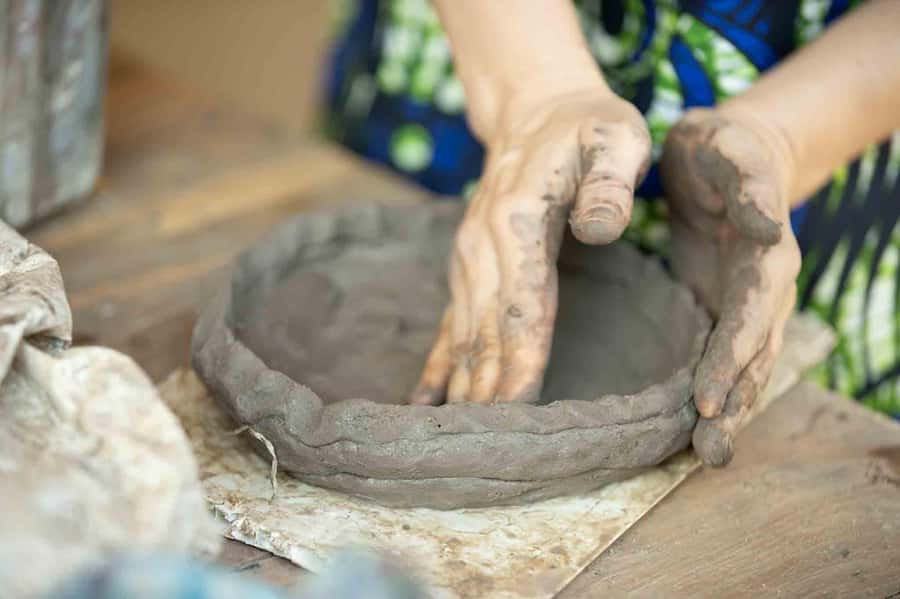
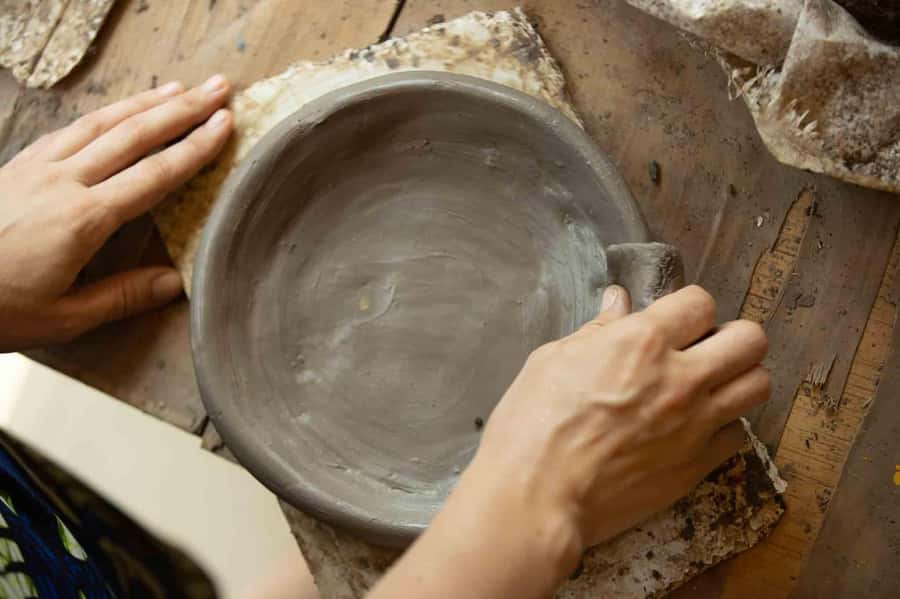
- You make the pottery yourself: Shape, mold, and decorate a personal clay piece with guidance from local artisans.
- Mariam and Gloria may lead your session: Their calm, friendly teaching has worked well for adults and eight-year-old children alike.
- The experience lasts one hour: It fits neatly into a free morning or afternoon in Kigali.
- Your souvenir may not be ready immediately: Allow about three days for hardening, with longer drying possible during rainy weather.
- The setting may include a coffee shop and gallery: One reported session included a drink option and access to paintings by several artists, but refreshments are not generally listed as included.
- The $30 price supports local work: Your booking contributes to community development and sustainable tourism efforts.
Getting your hands on Kigali’s clay
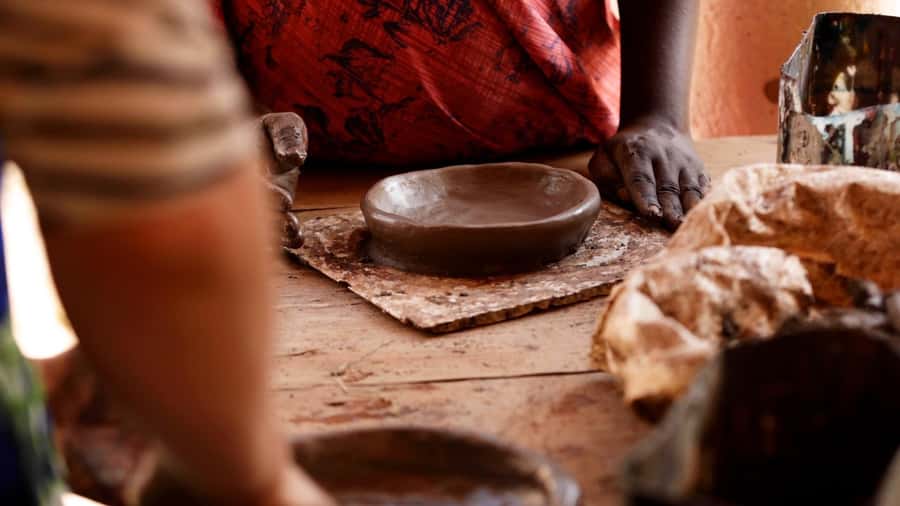
Kubumba is the heart of this activity. You are not signing up for a long museum lecture or a polished craft show. You sit down with clay, listen to an introduction, and start working with your hands.
The opening explanation covers the cultural importance of Kubumba and the basic pottery methods you will use. That context matters because it gives your little bowl, cup, or sculpted form a connection to Rwandan craft traditions. I would still treat the introduction as a starting point rather than a full cultural course. The session is only one hour, so most of the time is given to making.
The best part is the direct contact with the material. Clay feels forgiving at first, but it quickly teaches you to work slowly. You will be shown how to shape and mold the piece, then add simple decorative touches. The instructor can help you correct uneven edges or strengthen a weak section, but you still get room to make your own decisions.
That balance is important. You are not handed a finished object to paint. You create something that may be a little crooked, lopsided, or wonderfully personal. I would take that as part of the appeal. This is a craft lesson, not a factory production line.
Other Kigali days people book alongside this one:
- Kigali City Tour
★ 5.0 · 452 reviews - Kigali: Walking Tour with a Local Guide
★ 4.9 · 234 reviews - One-day Akagera National Park Game Drive with a Choice 4×4
★ 5.0 · 105 reviews
Learning with Mariam, Gloria, and local artisans
The strongest feature here is the teaching. Mariam and Gloria have been singled out for their patience, kindness, and easy company. One family booked the session for eight-year-old twins and found that the guide gave each child room to work while stepping in when help was needed. That tells me this activity can suit children, provided they are happy handling clay and following simple instructions.
The same approach works for adults. A good pottery teacher does not seize the clay and make the piece for you. Instead, she shows you how to improve it, then lets you try. That is exactly the kind of guidance you want during a short session.
Language support is available in English and Swahili. Still, the quality of explanation may vary depending on who is translating and how busy the setting is. One participant had a poor experience with limited conversation and an inattentive translator. I would not ignore that warning. If you want more than a hands-on craft hour, tell the instructor at the beginning that you would like to hear about Kubumba, local pottery methods, and the meaning of the designs.
That simple request may help shape the session around your interests. Ask while the clay is being prepared, rather than waiting until the final minutes when everyone is concentrating on finishing.
What happens during the one-hour session
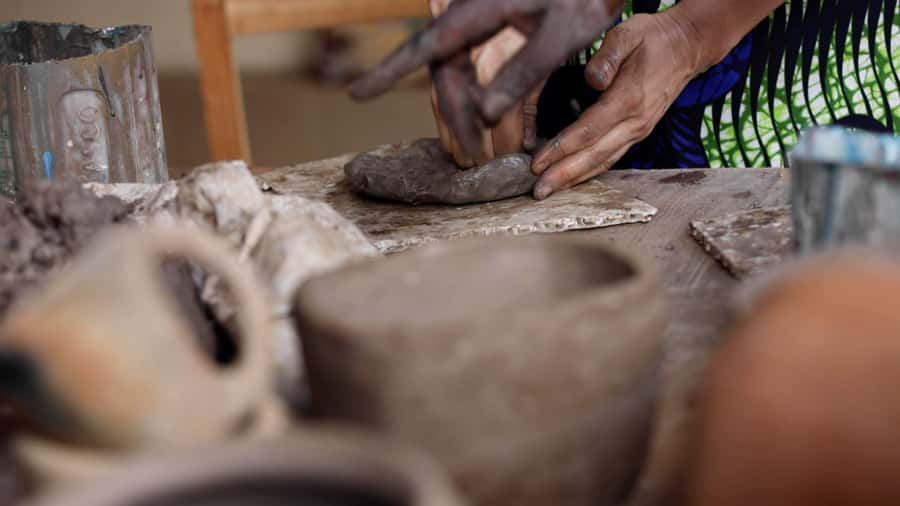
The experience follows a straightforward pattern, though the exact order may vary.
1. A short introduction to Kubumba
You begin with an explanation of Kubumba and its place in Rwandan culture. This gives you a reason to pay attention to the techniques that follow. Since the total time is one hour, expect a concise introduction rather than a long historical talk.
I would use this moment to ask practical questions. Can the piece be taken home the same day? Will it be fired, or simply dried? Can you add a name or pattern? The supplied information confirms that your pottery piece is included, but it does not spell out every finishing step. Getting clear answers early can prevent disappointment later.
Same hills, a completely different day out:
- Private Full-day Kigali City Tour with Pickup and Lunch
★ 5.0 · 79 reviews - Kigali Walking Tour
★ 4.5 · 78 reviews - Kigali E-Bike City Tour with Breakfast
★ 4.9 · 73 reviews - Private 1 Day Akagera Big Five Safari with pick up and lunch.
★ 5.0 · 72 reviews
2. Shaping and molding the clay
Next, you work directly with the clay. The instructor demonstrates the basic method, then helps you shape your form. You might make a small vessel or another simple object, depending on the guidance and your own idea.
This is where the activity earns its price. At $30, you are paying for instruction, materials, cultural context, and a local experience, not just for a lump of clay. The class also keeps you active. You are making choices every minute, from the thickness of the walls to the curve of the rim.
Do not expect a perfect first attempt. The point is to learn how the material responds and to leave with something you made yourself. If you have never worked with clay, ask the instructor to show you how to repair cracks and smooth rough edges.
3. Decorating your piece
Once the main shape is formed, you can add decoration. The activity description emphasizes shaping, molding, and decorating, so you should have a chance to give the piece some personal character.
The short duration means decoration will probably be simple. That is fine. A few marks made carefully can look better than a crowded design rushed at the end. I would leave enough time to finish the edges and check the base, since those small details affect how stable the pottery will be.
4. Drying and collecting the souvenir
This is the part you need to plan around. One participant expected to leave with the finished object but learned that the pottery needed about three days to harden. During Rwanda’s rainy season, drying may take even longer.
If you are flying out of Kigali tomorrow, this could be a serious issue. Ask before booking how collection works and if the studio can hold the piece. The available details do not promise shipping or firing, so do not assume either service is available.
If you have several days in Kigali, the drying period is less troublesome. You may be able to return for the piece, depending on the arrangement with the studio. If your schedule is tight, the activity can still be worthwhile, but you should view the clay work as the experience itself rather than counting on a ready-to-pack souvenir.
A coffee shop setting with more than pottery
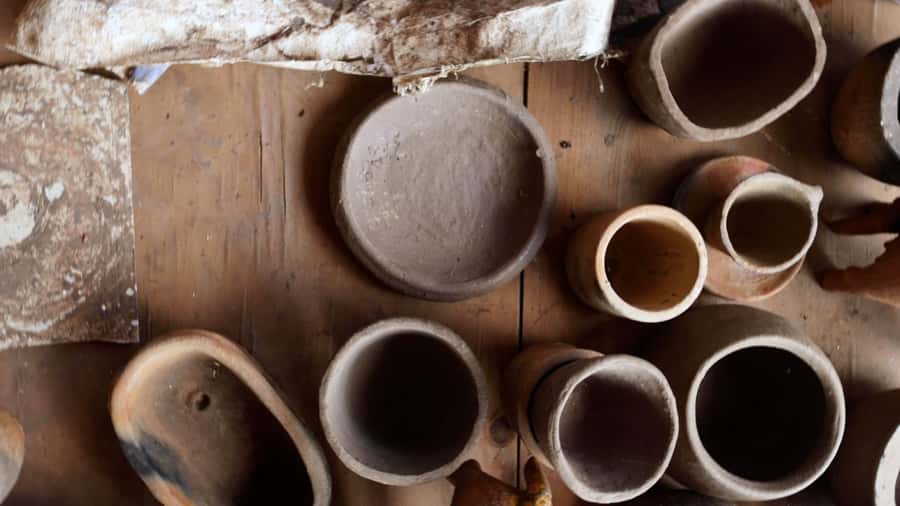
The activity may take place at a pleasant coffee shop and gallery. One family found fresh smoothies, pastries, coffee, and paintings by several artists there, along with a complimentary drink valued up to 3,500 RWF.
That sounds like a welcome extra, especially if you book a morning session. But the general activity information says meals and refreshments are not included. I would therefore treat the drink as something to confirm rather than a guaranteed part of every booking.
The gallery setting adds value because it places the pottery alongside other local creative work. You can look at paintings and get a wider sense of Kigali’s art scene, rather than spending the hour in a bare classroom. Just keep your priorities clear: this is still a one-hour pottery session, not a full gallery tour or coffee tasting.
Is $30 a fair price?
For Kigali, $30 is not a bargain-basement craft class, but it can be fair value if you care about personal instruction and community support. The fee covers the guided session, all materials, cultural information, and a pottery piece. It also contributes to community development through Go Rwanda Now, alongside the work connected with NuttinTODO.
I especially like the direct nature of the purchase. Your money supports local artisans and sustainable tourism efforts, rather than paying only for a packaged sightseeing stop. That does not guarantee a perfect class, but it gives the activity a useful purpose beyond the souvenir.
The value is weaker if you need a finished object immediately or expect a detailed lecture on Rwandan pottery. It is also less convincing if the translation is poor and the instructor does not engage with you. At that point, you are mostly paying for an hour of clay handling.
For families, the price may make more sense because the activity offers a shared project. The careful instruction given to eight-year-old twins shows that younger children can take part successfully. I would still make sure children understand that pottery requires patience and that their pieces may need to remain at the studio for several days.
Who will enjoy this activity most?
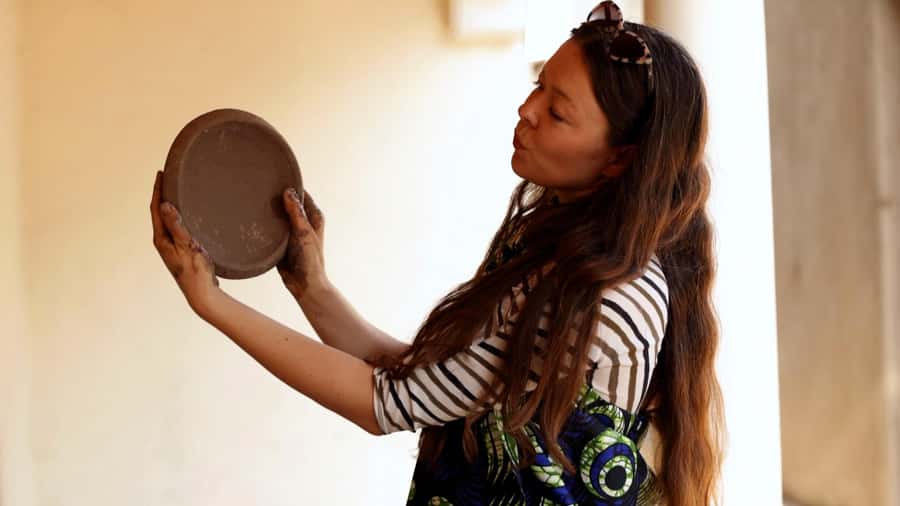
I would recommend Kubumba Delight to you if you want a short, creative break from Kigali’s usual sightseeing. It suits people who enjoy learning through their hands and who prefer a personal object over another mass-produced souvenir.
It is a good choice for:
- Couples who want to make matching or complementary pieces
- Families with children old enough to follow guidance
- First-time pottery makers
- Visitors interested in local women-led craft work
- Anyone with a free hour and flexible plans in Kigali
- Supporters of community-based tourism
I would be more cautious if you are looking for a formal craft lecture, a guaranteed finished pot, or a highly structured art class. The experience appears to depend heavily on the instructor and translation. If cultural explanation is your main goal, contact the provider first and ask how much time will be given to that part.
Practical planning before you book
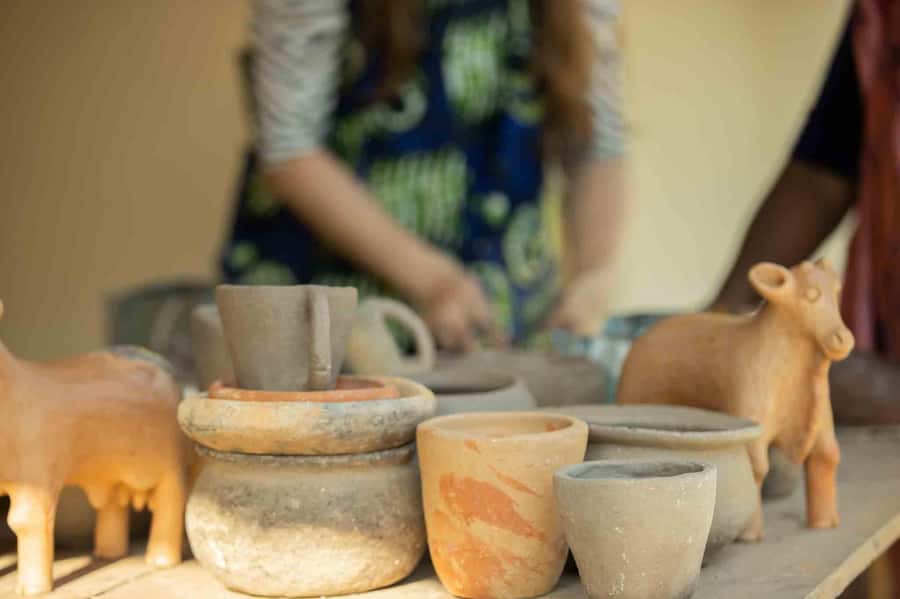
The session lasts one hour, with starting times available according to the schedule. That makes it easy to fit between other Kigali plans. I would avoid placing it immediately before an airport transfer or a fixed appointment, since a creative activity can run slightly over if you need to finish your piece.
Transportation to and from the pottery studio is not included. You need to arrange your own way there and back. Meals are also not included, though a drink may be available at the coffee shop setting in some cases.
English and Swahili are the stated teaching languages. If you speak one of those, you should be able to follow the basic pottery instructions. Ask direct questions if you want more detail about technique or culture.
The activity allows free cancellation up to 24 hours before the start time for a full refund. You can also reserve now and pay later, which helps if your Kigali schedule is still changing. Those terms are useful, but they do not solve the drying issue, so that remains the main thing to check.
What makes the best souvenir?
Your finished object will probably be modest. In a one-hour session, you are unlikely to produce a large or highly polished vessel. That is not a flaw. The charm comes from the fingerprints, uneven lines, and decisions you made at the table.
I would choose a simple form and spend time smoothing it carefully. A small piece with a clean rim and a pattern you understand will feel more special than an ambitious design that you cannot finish.
You should also ask whether the piece will be dried only or given another treatment. The information confirms that you receive a personalized pottery piece, but it does not specify firing, glazing, or shipping. Those details affect durability and packing, so ask before you leave the studio.
My booking advice
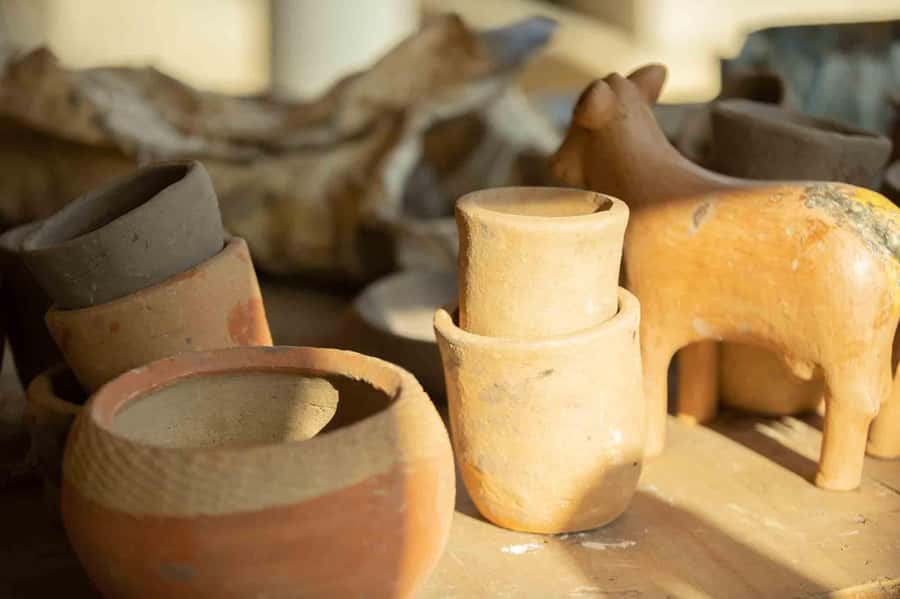
I would book this experience if you have at least a little flexibility in Kigali and want to meet local artisans while making something of your own. The patient instruction, especially from Mariam and Gloria, is the strongest reason to go. The community contribution and gallery setting add substance to a short activity.
I would not book it on the assumption that you will walk out with a hard, finished pot. Plan for roughly three days of drying, and possibly longer in rainy weather. Also, ask for a clear cultural explanation at the start, since the teaching experience may be less satisfying if translation or conversation is weak.
For a hands-on hour at $30, it offers fair value and a more personal memory than ordinary souvenir shopping. Book it when the making matters more to you than the final polish.
FAQ
Where does the Kubumba pottery activity take place?
It takes place in Kigali Province, Rwanda, at a pottery setting associated with NuttinTODO. One session took place at a coffee shop and gallery with paintings by multiple artists.
How long does the pottery experience last?
The activity lasts one hour. Starting times depend on availability.
What is included in the $30 price?
The price includes a guided Kubumba pottery session, all materials, cultural information about Kubumba, and a personalized pottery piece. It also includes a contribution to community development through Go Rwanda Now.
Are transportation and meals included?
No. Transportation to and from the studio, meals, and refreshments are not generally included. A complimentary drink of up to 3,500 RWF was provided in one reported coffee shop setting, so confirm this before booking.
Can children take part?
Yes. An eight-year-old pair of twins completed the activity successfully with patient guidance. The information does not state a formal minimum age.
Which languages are available?
Instruction is available in English and Swahili.
Can I take my pottery home immediately?
Not always. The pottery may need about three days to harden, and rainy weather can extend the drying time. Ask the provider about collection if you are leaving Kigali soon.
What happens during the session?
You receive an introduction to Kubumba, then learn to shape, mold, and decorate clay with help from local artisans. You create a personal pottery piece to keep.
Can I cancel the booking?
You can cancel up to 24 hours before the activity for a full refund. Reserve now and pay later is also available.
Just added around Kigali
- Kigali: Horse Riding Trail in Mount Kigali★ 4.9 · 13 reviews
- Rwandan and Syrian Food Tour★ 5.0 · 4 reviews
- Three-day Nyungwe Canopy and Kivu Lake Adventure★ 5.0 · 5 reviews
- One Day Golden Monkey and Cultural tour★ 4.0 · 7 reviews
- 1 Day Canopy walk way in Nyungwe Natioinal park★ 5.0 · 6 reviews
- Walking Food Tour in Remera and Kigali★ 5.0 · 4 reviews
- 3 Day Rwanda to Uganda gorilla trekking Safari★ 5.0 · 5 reviews
- 3 Days Private Bwindi Gorillas and Volcanoes Golden Monkey Trek★ 5.0 · 4 reviews
Kigali Tours, compared.



One-day Akagera National Park Game Drive with a Choice 4×4
Read our review →
Private Full-day Kigali City Tour with Pickup and Lunch
Read our review →


Private 1 Day Akagera Big Five Safari with pick up and lunch.
Read our review →
Mount Kigali and Cultural Village Tour with Snacks
Read our review →Browse the lists this tour appears in