
Reviewed · WALKING TOURS
Kigali: Gatsata Village Storytelling Walk to Mount Jali
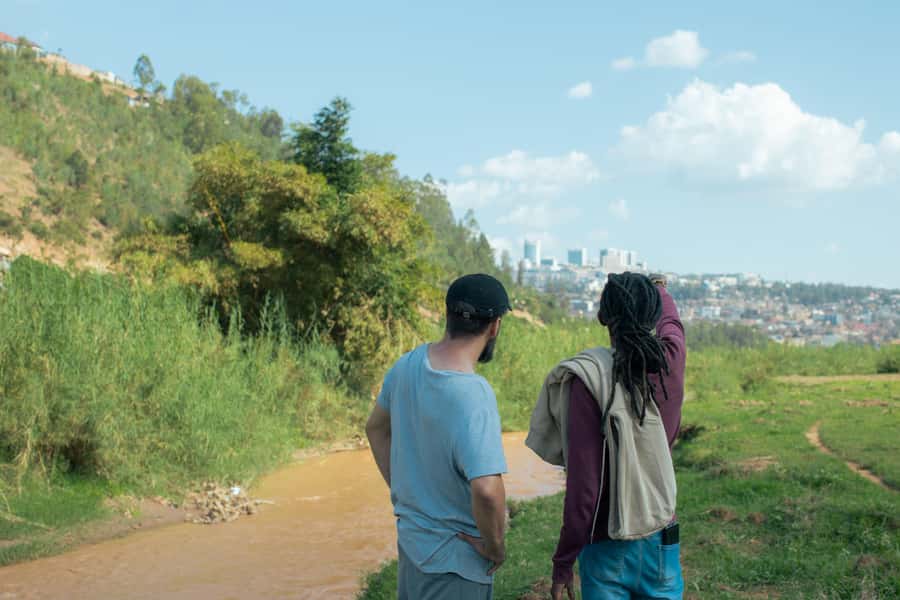
Gatsata’s story begins beside the Nyabugogo River, then climbs toward Mount Jali and broad views over Kigali. This is not a bus tour with a quick photo stop. You walk through village areas, hear about the past and present, and see how ordinary land can hold painful memories and everyday life at once.
I like the local guide-led format, especially because guides such as John, Shaffi, Shadia, and Latiff bring different personal knowledge to the walk. I also like the route’s mix of crops, river country, mountain plants, and city views. The main drawback is that the storytelling may feel lighter than the description suggests, so you should book this for a good walk with local conversation, not a formal museum-style history lesson.
Key points at a glance
- The Nyabugogo River sets the scene: Begin near a waterway tied to Gatsata’s origins and growth.
- A serious historical stop: Land near the river was once occupied by homes destroyed during the genocide and is now used for beans, maize, and sweet potatoes.
- Mount Jali adds real exercise: The route includes a moderate uphill walk and is not suited to people with low fitness.
- Guides make the difference: John has shared plant and cultural details, while Shaffi is a local from Gatsata who can point out places with personal meaning.
- Kigali opens below you: The summit provides wide views that help you understand the city’s setting.
- Good value for an active half-day: At $39 per person, the price includes the guide and walk, but not transport, food, or personal costs.
Starting at the Nyabugogo River
You meet at Kigali Heights before moving to the activity site. Since transport to and from the walk is not included in the $39 price, allow extra time and money for getting there. The meeting arrangement is simple, but you should confirm the starting time when booking because morning and afternoon departures are available.
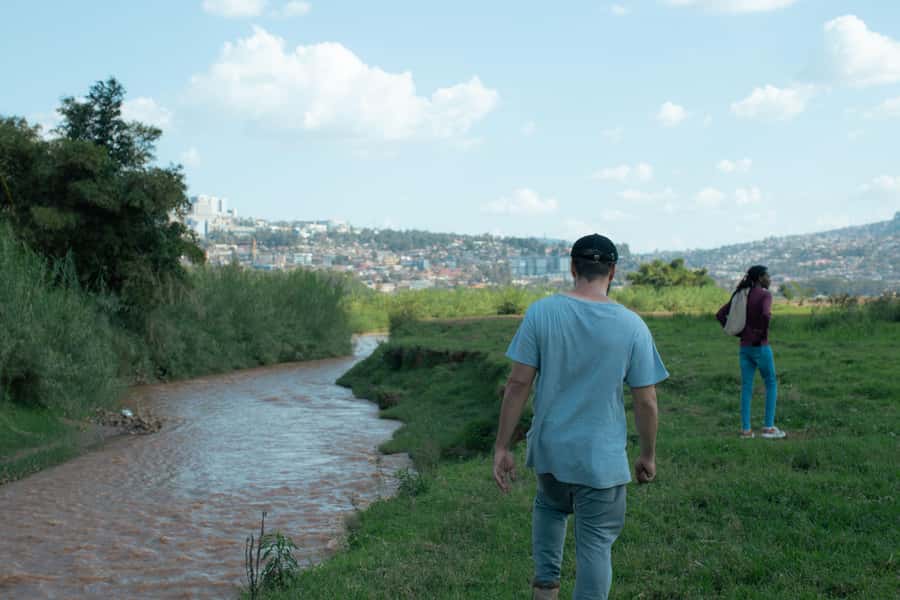
The walking route begins near the Nyabugogo River, a useful place to start because it connects the physical setting with Gatsata’s story. The river is presented as part of the village’s origin and development, not just as scenery. Your guide explains why this waterway matters to the community and how the area has changed.
Do not expect a polished riverside attraction with signs and platforms. The appeal is the chance to see a working part of Kigali and hear its meaning from someone who knows the area. That also means the experience depends on your guide’s ability to explain what you are seeing.
The first stretch gives you time to settle into the pace. You are walking rather than rushing between stops, so comfortable shoes matter from the start. Bring water, a hat, and sunscreen. Rwanda’s sun can feel strong even when the air is pleasant, and there is no promise of frequent places to buy supplies along the route.
A few more Kigali trips to weigh up
- Kigali: Walking Tour with a Local Guide
★ 4.9 · 234 reviews - Kigali Walking Tour
★ 4.5 · 78 reviews - Rwanda Half-Day Walking Food Tour
★ 5.0 · 35 reviews
Seeing Gatsata through its difficult past
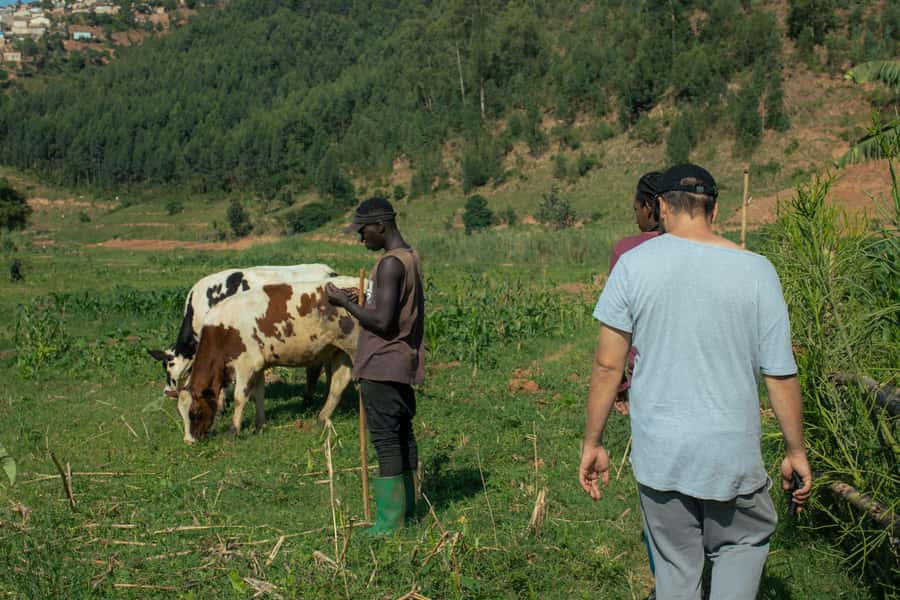
One of the most important details along the route is a field near the river. The area once held homes, but those homes were destroyed and the inhabitants were killed during the genocide. Today, small plots of beans, maize, and sweet potatoes are grown there.
That change is worth pausing over. You are not looking at a preserved memorial or a dramatic monument. You are looking at cultivated ground, which makes the guide’s explanation especially important. The crops point to daily life and recovery, while the story gives the place a much heavier meaning.
I would approach this part of the walk with patience and respect. The tour links Gatsata’s past to Rwanda’s development, but the depth of that discussion can vary. If you want more detail about village customs, family life, or the wider national story, ask direct questions. One guide may offer a fuller account than another.
This is also where the experience feels most authentic. You are not being shown a staged version of rural Rwanda. You are walking through a living neighborhood where agriculture, memory, and modern Kigali sit close together.
Walking through village areas toward Mount Jali
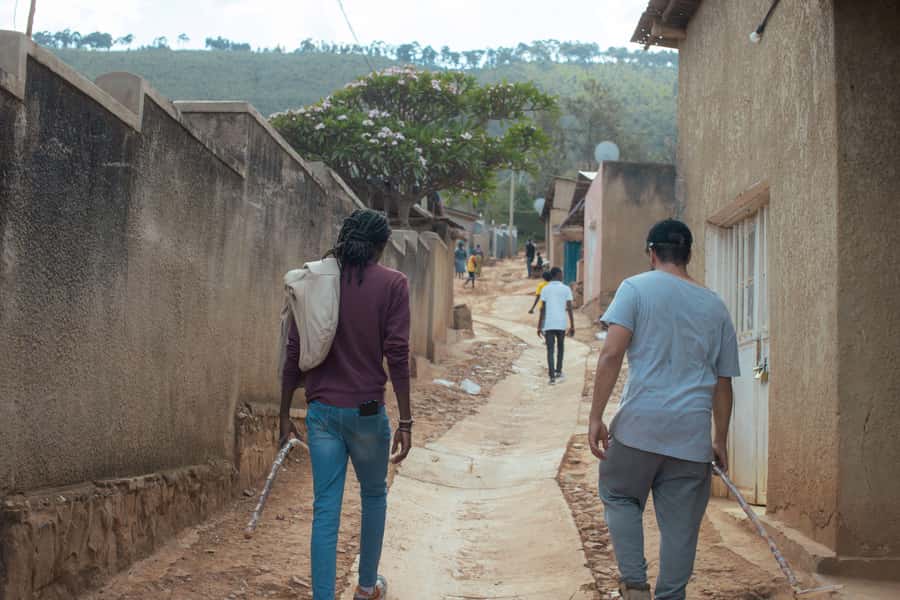
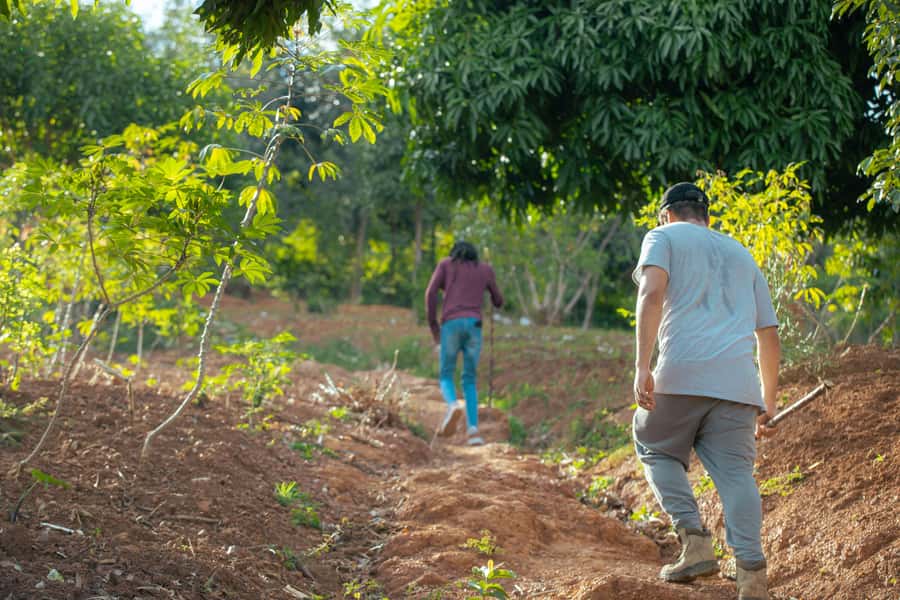
From the river, the route heads through village areas and toward Mount Jali. The path covers different types of ground and includes safer village sections, according to the tour description. You can expect a gradual change from low-lying river surroundings to higher, more open ground.
The pace is a major part of the experience. Three hours gives your guide room to stop, explain, and answer questions, but it also means you should be comfortable walking for most of that time. This is not a short stroll around a central Kigali neighborhood.
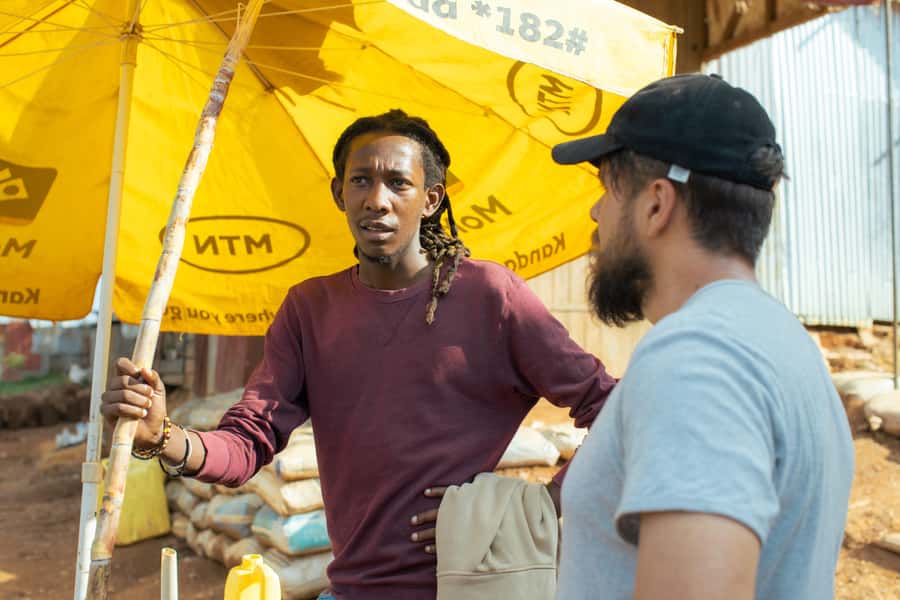
The local connection can add a lot here. Shaffi, one of the guides who has led the route, is from Gatsata and can show places that matter to him. That kind of personal link is useful because it turns a general explanation into a sense of place. Instead of hearing only dates and broad statements, you may hear about locations through someone’s own connection to the community.
Guides have also explained plants, trees, people, and local culture along the walk. John, in particular, has been praised for patiently discussing plant life as well as village traditions. If natural details interest you, tell your guide early. A clear request can shape the conversation and help you get more from the route.
The trade-off is that this is not a tightly scripted performance. The storytelling may move easily between subjects, and some parts of village life may receive only a short explanation. If you prefer a precise, lecture-like tour, you may find it uneven. If you enjoy asking questions and letting a local conversation develop, that looseness can work in your favor.
The Mount Jali climb and Kigali views
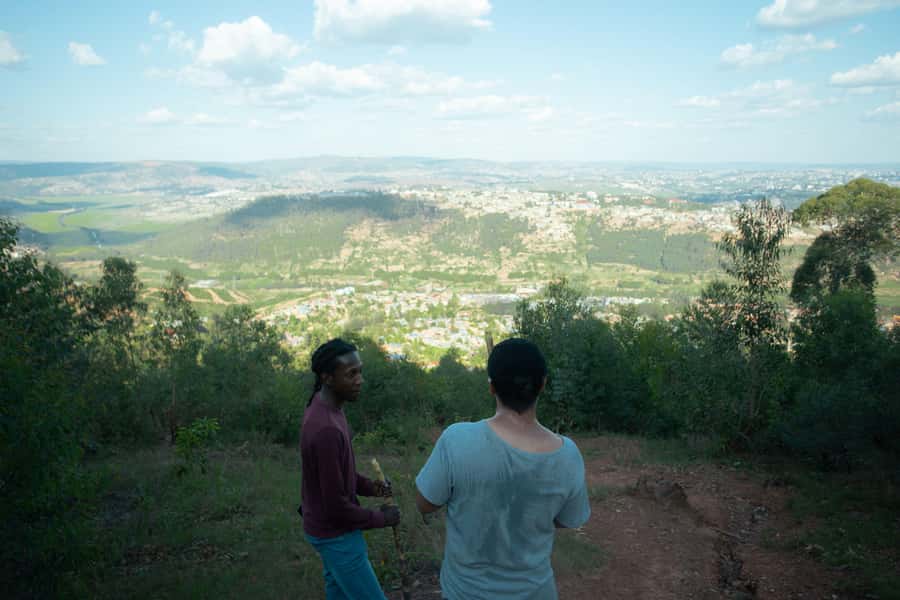
The route becomes more physical as you climb Mount Jali. The uphill section is described as moderate, so you do not need to be a serious hiker, but you should have a reasonable level of fitness. The tour is not suitable for people with low fitness or children under 14.
Wear shoes with a firm sole. Sandals or smooth casual shoes could make the uphill portions less comfortable, especially if conditions are wet. Weather-appropriate clothing is also important because the walk moves between open areas and higher ground.
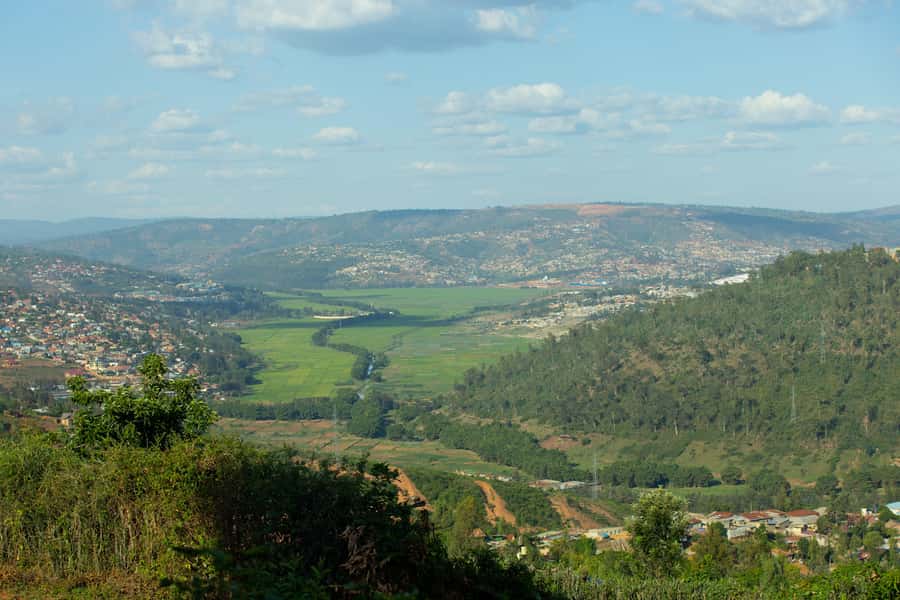
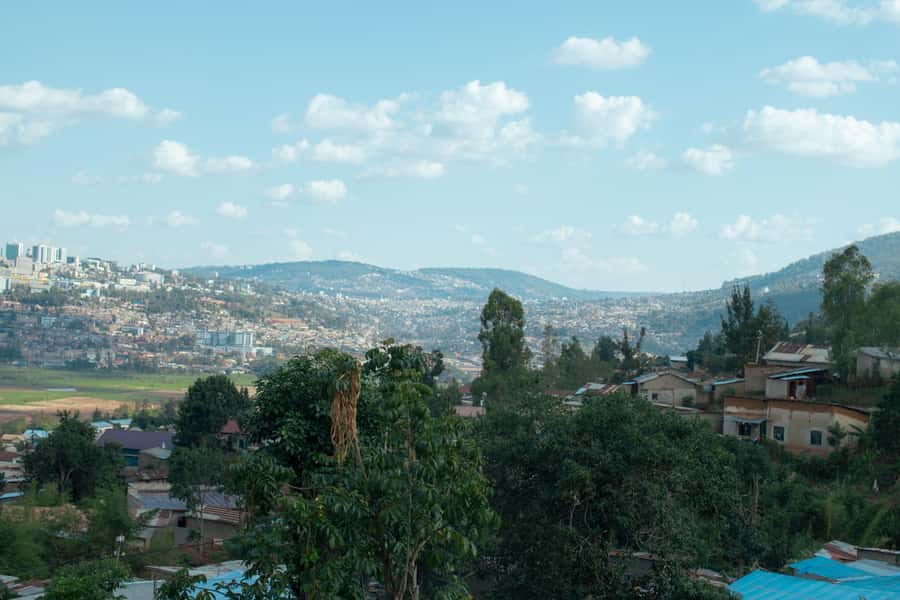
The reward is the view from Mount Jali. From above, you can see Kigali spread across its hills and valleys. This is more than a scenic finish. The height helps you understand why Kigali feels so hilly and how the city extends beyond its central districts.
Bring your camera, but do not let the summit become the whole point of the outing. The walk earns that view by taking you through the river area, village spaces, agricultural plots, and natural surroundings first. The city panorama works best as the final piece of a longer story.
The mountain also brings an environmental side to the tour. Guides may discuss local plants and trees while you ascend, and the area offers a chance to notice how nature and settlement meet around Kigali. The information available does not promise a specialist botany tour, but the route clearly leaves room for that kind of conversation.
Same hills, a completely different day out:
- Kigali City Tour
★ 5.0 · 452 reviews - One-day Akagera National Park Game Drive with a Choice 4×4
★ 5.0 · 105 reviews - Private Full-day Kigali City Tour with Pickup and Lunch
★ 5.0 · 79 reviews - Kigali E-Bike City Tour with Breakfast
★ 4.9 · 73 reviews
What the guide adds to the experience
The strongest part of this outing is the human element. The guide is not simply there to lead the way. You are paying for explanations about Gatsata, Rwanda’s development, plants, customs, and the places along the route.
John has been described as warm, patient, and passionate, with a habit of sharing information about plants, trees, people, and culture throughout the hike. Shadia and Latiff have also led the walk with clear explanations of the area’s past and present. Shaffi brings the useful perspective of a Gatsata local and has been praised for being easy to talk with.
Those names matter because the experience may vary by guide. The tour has an average rating of 3.4 out of 5 from five ratings, which suggests a generally positive but not flawless outing. The most consistent praise focuses on friendly guides, safe route choices, clear explanations, and good views.
The weaker point is storytelling depth. One assessment found the walk enjoyable but wanted more detail about village life and customs. I think that is a fair caution. The route promises a story-led experience, yet the amount of detail may depend on how actively you engage.
A useful approach is to prepare two or three questions. Ask how the river shaped Gatsata, how the village has changed, what crops are grown, or which traditions remain important. You are more likely to get a memorable exchange than by simply following in silence.
Is $39 a fair price?
At $39 per person, this sits in the reasonable range for a three-hour guided cultural and walking experience, provided you value local interpretation. The fee includes the English-speaking guide, the route from the Nyabugogo River to Mount Jali, historical and cultural discussion, and the mountain views.
It does not include transport, meals, or personal expenses. Since you meet at Kigali Heights and then move to the activity site, transport costs may affect the final budget. Eat beforehand or carry a snack, since food is not part of the activity. Water is specifically recommended, so do not assume refreshments will be supplied.
The value is strongest for someone who would otherwise visit Mount Jali without context. A view alone is easy to arrange in many places. Here, the river, village, crops, difficult memories, and mountain setting are brought together by a guide.
The value is weaker if you want a major historical site with formal exhibits, extensive documentation, or a fixed script. You are buying access to a local perspective and a guided walk, not a full-day heritage program.
Free cancellation up to 24 hours before the start gives you some useful flexibility. You can also reserve now and pay later, which helps if your Kigali plans are still shifting.
Who should book this Gatsata walk?
I would choose this experience if you want to see a less polished side of Kigali and are happy to walk uphill. It suits adults and older teenagers aged 14 or above who enjoy local stories, nature, and conversation.
It is a good match for:
- History-minded visitors who want to connect Rwanda’s past with a present-day community.
- Walkers looking for a moderate three-hour outing rather than a vehicle-based city tour.
- Nature fans interested in plants, trees, crops, and the mountain setting.
- Repeat visitors to Kigali who want a different view of the city beyond central attractions.
- Curious first-time visitors who like learning through conversation with a local guide.
I would skip it if you have low fitness, dislike uphill walking, or need a fully accessible route. I would also think twice if your main goal is a detailed academic account of Gatsata’s customs and history. The tour can provide meaningful insight, but you may need to draw more of it out with questions.
Practical preparation for the three-hour walk
Wear comfortable walking shoes and clothing suited to the weather. A hat, sunscreen, and water are essential items, not optional extras.
The tour is available in the morning or afternoon. Choose the time that best fits your energy and Kigali schedule, but allow enough room around the three-hour duration for getting to and from the meeting point.
Baby strollers and baby carriages are not allowed, and children under 14 are not suitable for the activity. The route includes moderate physical activity, particularly the climb toward Mount Jali.
Keep your expectations flexible. The setting is a village and mountain route, not a controlled attraction. The ground, pace, and amount of shade may vary, and the guide’s storytelling style will shape the day.
FAQ
Where does the tour meet?
You meet at Kigali Heights, then move to the activity site near the start of the walk.
How long does the experience last?
The walking experience lasts three hours.
What language is the tour offered in?
The live tour guide speaks English.
What does the route include?
The route begins at the Nyabugogo River and continues through Gatsata toward Mount Jali, including historical and cultural explanations and scenic mountain views.
Is the walk physically demanding?
It involves moderate physical activity and walking uphill. It is not suitable for people with low fitness.
Can children join the tour?
Children under 14 are not suitable for this activity. Baby strollers and baby carriages are also not allowed.
What should I bring?
Bring comfortable shoes, a hat, sunscreen, and water. You should also wear clothing suited to the weather.
Should you book the Gatsata to Mount Jali walk?
Book it if you want a local, active introduction to Gatsata and like the idea of connecting a river, village, difficult history, crops, plants, and a Kigali panorama in one outing. The friendly guides are the main strength, and a guide from Gatsata can add personal detail that a standard city tour cannot.
Go in expecting a flexible walking conversation rather than a perfectly scripted history lesson. If you ask questions and can manage the uphill route, $39 is a fair price for three hours of local context and scenery. If you need extensive historical detail or an easy, flat activity, choose something else.
Just added around Kigali
- Private Half-Day Guided Kigali City Tour with Coffee Break Included★ 5.0 · 6 reviews
- Vegan Fine Dining Experience★ 5.0 · 5 reviews
- Private Transfer from Kigali Airport (KGL) to Kigali★ 4.0 · 5 reviews
- 2 Days Mountain Gorilla Safari Rwanda★ 5.0 · 4 reviews
- 1 Day Akagera Wildlife Safaris Rwanda (2 Pax Min)★ 5.0 · 5 reviews
- Private Memorial Day Tour Ntarama and Nyamata★ 5.0 · 3 reviews
- From Kigali: 8 Hour Day-trip Lake Kivu Cruise Experience★ 4.5 · 3 reviews
- Ntarama and Nyamata Genocide Memorial Day Tour★ 4.5 · 3 reviews
Walking Tours, compared.



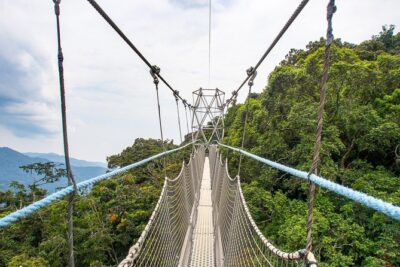
1 Day Canopy Walk Adventure in Nyungwe Forest National Park
Read our review →

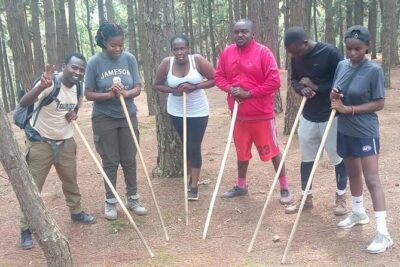
Local Community Tour(Cultural, Coffee,Village walk,Local food)
Read our review →
1 Day Nyungwe Canopy Walk & Waterfall Tour adventure
Read our review →Browse the lists this tour appears in