
Reviewed · KIGALI TOURS
Kigali: Learn Rwandan Table Game (IGISORO) with a Local
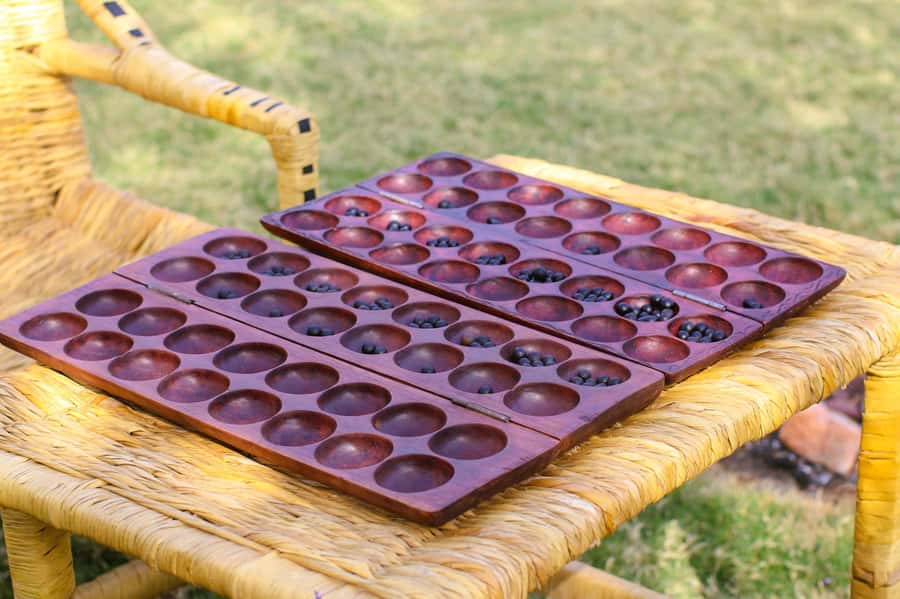
Igisoro is not a quick tourist demonstration. It is a traditional Rwandan board game that asks you to think several moves ahead, then sit across from another player and test your plan. Celestin, one of the local instructors, explains the rules patiently and keeps the mood friendly as you learn by playing.
I like the small group of no more than five, which gives you room to ask questions and play instead of watching from the sidelines. I also like the chance to take home a handcrafted Igisoro board, a useful souvenir with a direct connection to the activity.
The main consideration is that transportation is not included, and the experience is not suitable for children under 12 or people with severe reduced mobility. Food and drinks are also not included, although refreshments are offered and a restaurant may be available at the activity site.
Key points at a glance
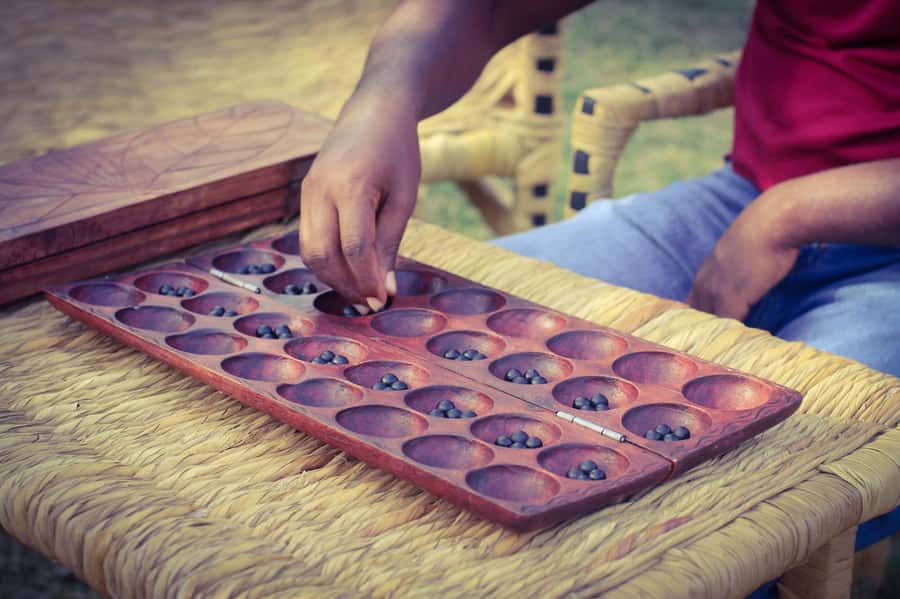
- Play with a local expert: Celestin can explain Igisoro rules while you practice, rather than leaving you with a formal lecture.
- Small-group setting: A maximum of five participants makes it easier to get personal guidance and time at the board.
- More than a game: You learn how Igisoro connects with Rwandan social life and older generations.
- Relaxed two-hour pace: Instruction, practice, conversation, and friendly competition fit into one compact session.
- Take home a carved board: The handcrafted board gives you a lasting reminder and lets you continue learning after Kigali.
- Useful location detail: The activity can be found at Culture Center Umurishyo Art Gallery near Kimironko Bus Park.
Why Igisoro makes a good Kigali cultural stop
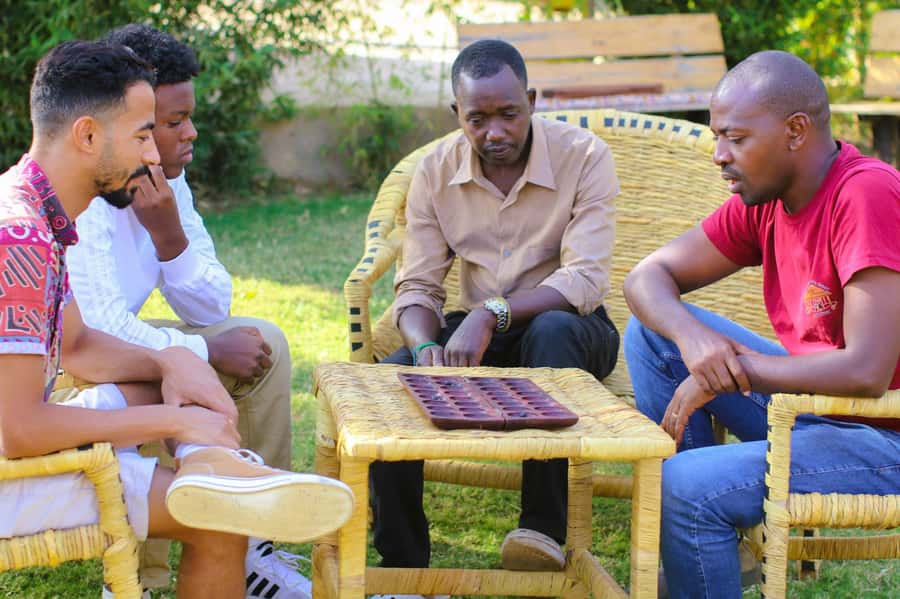
Many cultural activities ask you to look, listen, and move on. Igisoro asks you to take part. You sit at a board, learn a set of rules, make a move, and discover quickly that understanding the game is different from playing it well.
That active part is the appeal. Igisoro has been played by generations of Rwandans, so the experience offers a small window into ordinary social life, not just a staged presentation. The game creates a reason to talk, concentrate, tease one another gently, and spend time together.
I would choose this activity for a day when you want a quieter change of pace in Kigali. It is not a major sightseeing tour, and it does not try to cover many attractions. Instead, it gives you two hours with one cultural practice and the people who know it best.
The format also works well if you are curious about how traditional games carry ideas from one generation to the next. You are not only learning where pieces go. You are hearing why the game matters and seeing how strategy, patience, and conversation shape the experience.
Other Kigali days people book alongside this one:
- Kigali City Tour
★ 5.0 · 452 reviews - Kigali: Walking Tour with a Local Guide
★ 4.9 · 234 reviews - One-day Akagera National Park Game Drive with a Choice 4×4
★ 5.0 · 105 reviews
Meeting the instructor near Kimironko Bus Park
The activity location is Culture Center Umurishyo Art Gallery, near Kimironko Bus Park. This detail matters because you need to arrange your own way there. Transportation to and from the activity is not included, so check the meeting instructions and allow enough time to reach the area.
Celestin is one of the local experts associated with the experience. One participant described meeting him at the gallery, where he began explaining the rules soon after the arrival. That suggests a practical start: you do not spend the session waiting for the activity to begin.
The instructor’s role is important here. Igisoro can look simple at first, but traditional board games often have rules that are easiest to understand when someone demonstrates them. A local guide can explain the basic movement, point out useful strategies, and correct a mistake before it becomes a habit.
English is the stated teaching language. If you have never played Igisoro before, you can expect the session to be built around explanation and practice rather than assuming prior knowledge.
The first lesson: rules before strategy
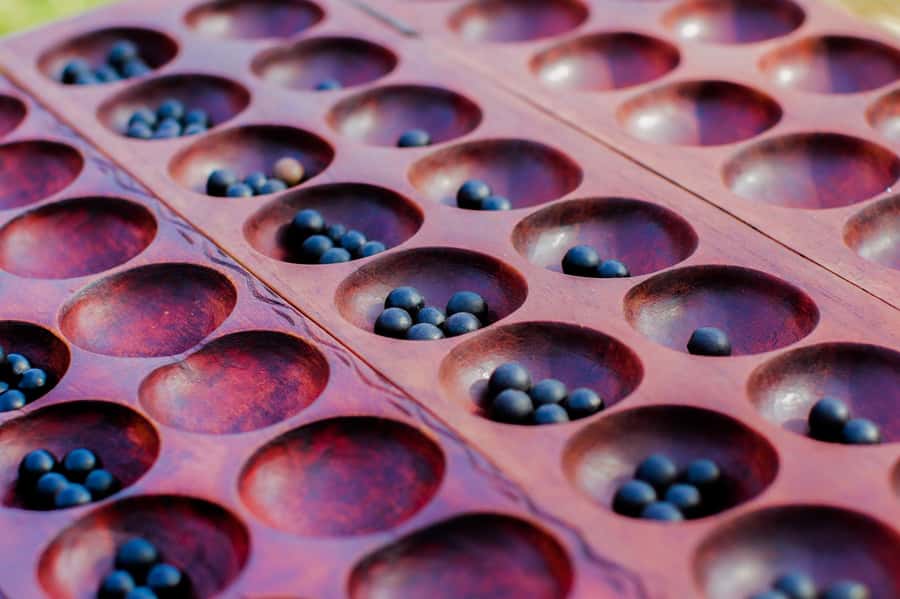
The session begins with an introduction to Igisoro and its rules. You learn how the board works, how pieces are handled, and what you are trying to achieve. The exact pace will depend on your group, but the small size should give you a chance to ask questions as the lesson moves along.
This is where patience helps. You may understand the legal moves quickly, yet still need time to see why one move is better than another. The activity is not only about memorizing instructions. It is about noticing patterns and thinking ahead.
The instructor also explains strategy. That is a useful difference between a simple craft demonstration and a real game lesson. You are encouraged to make decisions, see what happens, and adjust your approach in the next round.
I would not worry about being highly competitive. The experience is designed around friendly play, and the social side matters as much as winning. If you pick up the rules quickly, you can focus on planning several moves ahead. If you need more time, the local expert can guide you through the basics.
Playing your first match
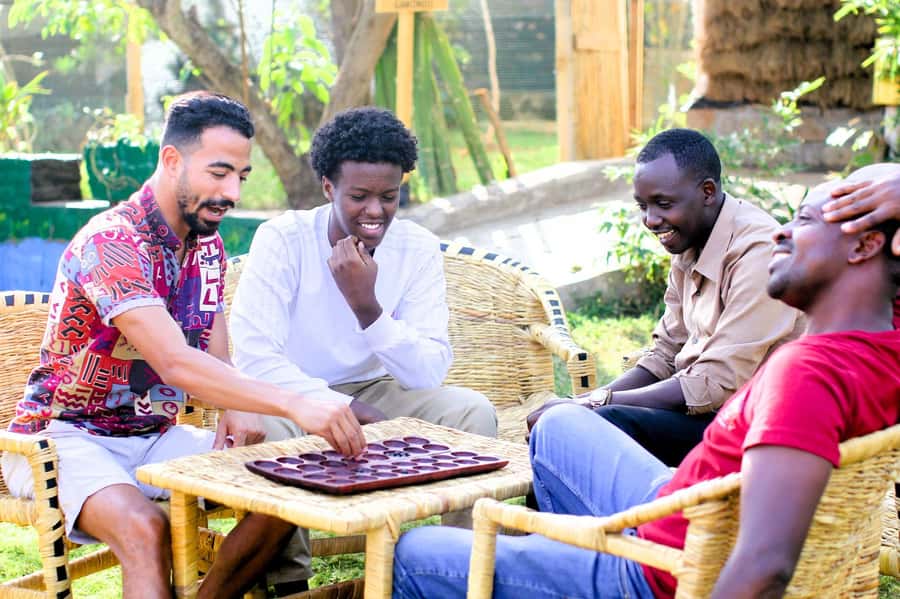
Once the rules are clear, you start playing. The hands-on part gives the activity its value because you can test each idea immediately. A strategy that sounds sensible during the explanation may look very different once your opponent begins making moves.
The group format allows participants to play with one another, with guidance available when needed. With no more than five people, this should feel personal rather than crowded. You are likely to have more opportunity to take a turn and ask for help than you would in a large demonstration.
Friendly competition adds energy without changing the tone of the session. You can enjoy the challenge while still stopping to discuss a move or ask why a certain choice worked. That mix of play and conversation is a good fit for people who like cultural experiences that feel social rather than formal.
One useful tip is to treat the first match as practice. You may spend more time learning how the board responds than trying to win. Once you understand the flow, the strategic side becomes easier to appreciate.
Same hills, a completely different day out:
- Private Full-day Kigali City Tour with Pickup and Lunch
★ 5.0 · 79 reviews - Kigali Walking Tour
★ 4.5 · 78 reviews - Kigali E-Bike City Tour with Breakfast
★ 4.9 · 73 reviews - Private 1 Day Akagera Big Five Safari with pick up and lunch.
★ 5.0 · 72 reviews
The social meaning behind the board
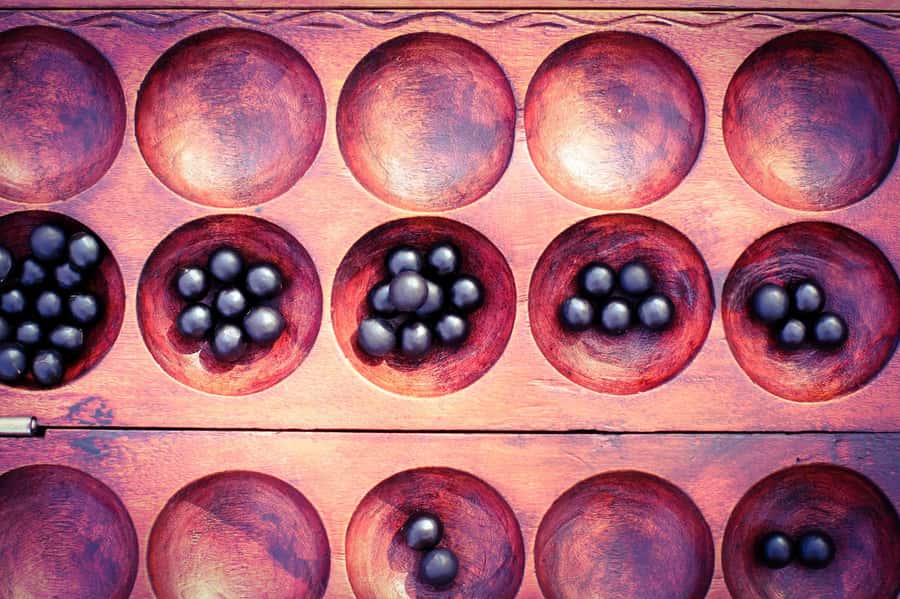
Igisoro is presented as a game connected with older generations of Rwandans. That gives the board a place in cultural life beyond its rules. Games can preserve habits of conversation and shared time, and this session gives you a direct way to ask about those connections.
The cultural discussion takes place alongside the gameplay. That is a strength because the information has a clear context. You hear about Igisoro while handling the board and making decisions, not while looking at a distant display.
I like this approach because it avoids treating tradition as something frozen. You see how a game can be both old and social, with room for friendly rivalry and personal exchange. The conversation may also make the experience more memorable than simply buying a board in a shop.
The activity does not claim to be a full study of Rwandan culture, and it should not be treated as one. It is a focused introduction to one traditional game. That narrow scope is useful if you want depth on one subject, but less useful if you are looking for a broad overview of Kigali.
Refreshments and the pace of the session
The atmosphere is described as relaxed, with refreshments offered during the activity. A drink or light refreshment can make a difference during a session that depends on conversation and concentration, especially when you are settling into an unfamiliar game.
Read the inclusions carefully. Local instruction, refreshments, and interactive gameplay are included, but food and drinks are listed as not included. This means you should not assume that a full meal is part of the $25 price.
A restaurant is located on site according to one account of the experience, and ugali with goat meat was available there. That meal was described as enjoyable, but you should treat it as a separate purchase rather than part of the activity price. If you want lunch, ask about the restaurant and cost when you arrive.
The two-hour length is well judged. A shorter session might give you rules without enough time to play. A much longer session could feel repetitive if you are still learning. Here, the time allows for instruction, matches, cultural conversation, and a relaxed break.
The handcrafted board as a practical souvenir
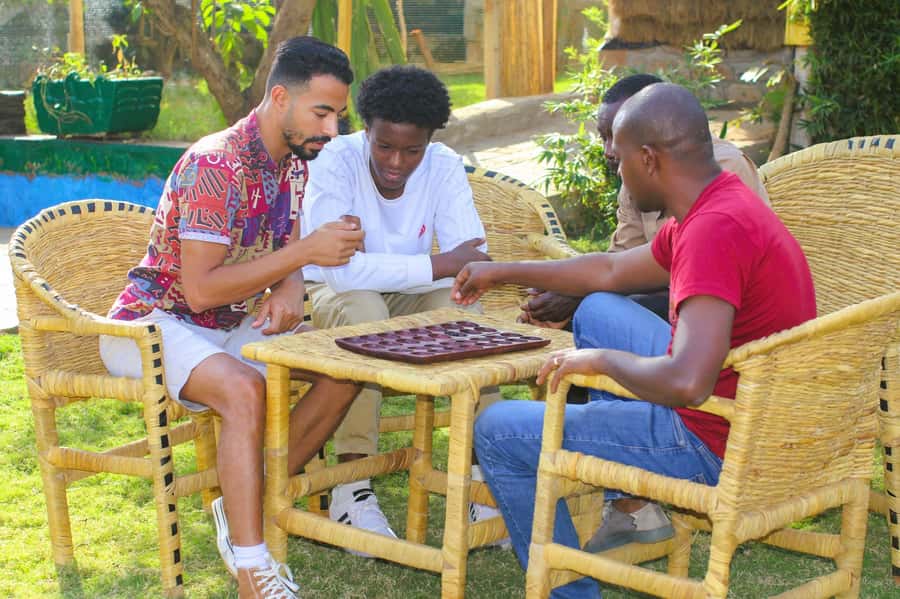
At the end, you receive a handcrafted Igisoro board to take home. This is one of the strongest features for anyone who likes souvenirs that connect directly to an experience.
The board is not just a decorative object. You can use it to remember the rules, practice the strategies, and explain the game to someone else. One participant also purchased a beautifully carved board, suggesting that additional boards may be available for purchase, but the supplied information does not confirm prices or stock.
Do not assume every board will look identical. Handcrafted items naturally vary, and the exact design, size, and finish are not specified. That is part of the appeal, but you may want to ask about the board if luggage space is limited.
For me, the take-home element improves the value of the experience. You pay $25 for instruction, play, refreshments, and a physical reminder of the session. The board gives the activity a life beyond your time in Kigali.
Is $25 a fair price?
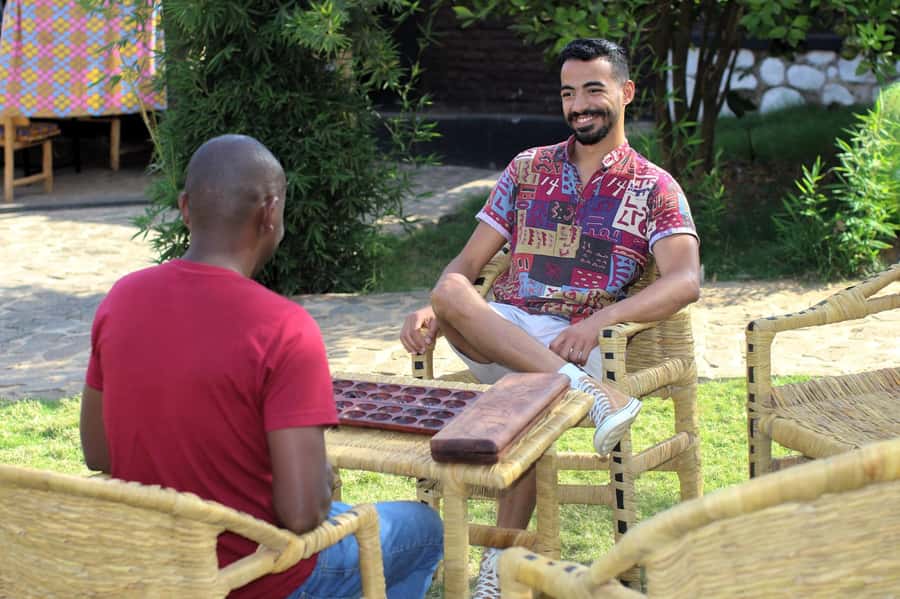
At $25 per person, this is not the cheapest way to fill two hours in Kigali, but the price includes more than admission to a venue. You receive instruction from a local expert, time to play, cultural background, refreshments, and a handcrafted board.
The small group also matters when judging the price. A maximum of five means the cost supports a more personal lesson, with less chance of spending the session watching someone else play. If you value direct contact and an activity you can continue at home, the price is reasonable.
The value is weaker if you are mainly looking for a meal, a long sightseeing program, or a large cultural show. Food is not included, transport is separate, and the activity focuses almost entirely on Igisoro. You are paying for participation and cultural exchange, not a full-day tour.
I would compare this experience with the cost of other small-group activities in Kigali, then ask what sort of memory you want to take home. If you prefer a compact, hands-on lesson and a usable souvenir, $25 is a fair spend.
Who will enjoy this experience most
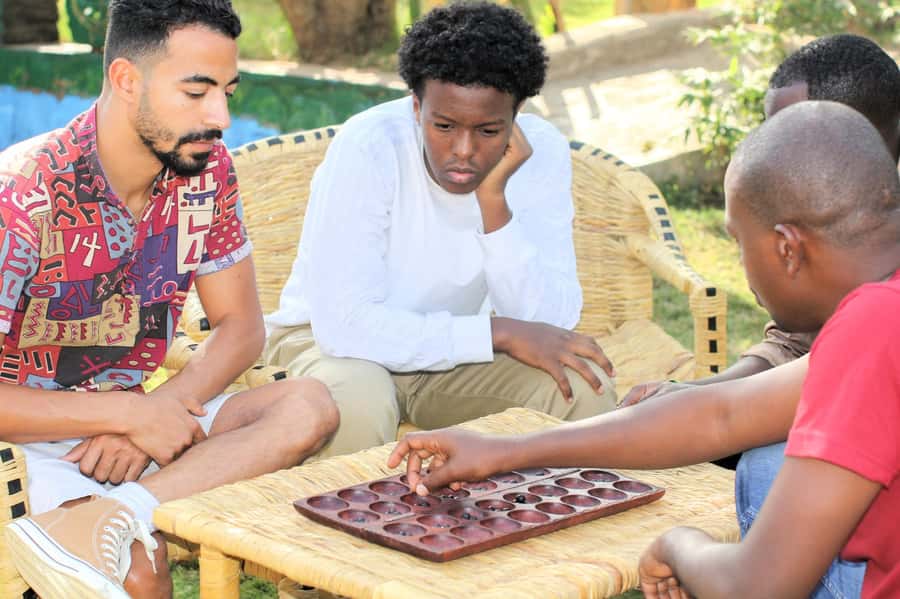
I recommend Igisoro for adults and older children who enjoy board games, conversation, and learning through trial and error. It is also a good choice if you have already seen Kigali’s main sights and want an activity with a slower, more local feel.
Solo visitors can benefit from the small-group format because the game gives everyone an easy way to interact. Couples and friends may enjoy playing against one another, while families should note the minimum age of 12.
This may not suit you if you have severe reduced mobility. Baby strollers and baby carriages are not allowed, and children under 12 cannot take part. The activity also requires sitting, concentrating, and following a lesson, so it is not ideal for someone looking only for a passive cultural presentation.
You should also be comfortable arranging your own transportation. The location near Kimironko Bus Park is useful, but the activity price does not cover the journey.
Booking advice and flexibility
You can cancel up to 24 hours in advance for a full refund. The reserve-now, pay-later option also lets you hold a place without paying at the time of booking, which is useful when your Kigali plans are still changing.
Starting times vary, so check availability before you commit. The experience lasts two hours, and the group is limited to five participants. I would choose a time that leaves enough room around the session for transportation and, if wanted, a separate meal at the on-site restaurant.
Because English is the listed language, English-speaking participants should be able to follow the lesson. If you have questions about the meeting point, mobility, or the board provided, ask before booking rather than assuming.
The activity provider is NuttinTODO. Keep the provider and venue details handy when arranging your day, especially since transportation is not included.
Should you book the Igisoro lesson?
Book it if you want a focused cultural experience that puts you at the board instead of behind a camera. The strongest reasons are the patient local instruction, the small group, the chance to talk about Igisoro’s place in Rwandan life, and the handcrafted board you take home.
Skip it if you need a broad tour of Kigali, a full meal, or included transportation. This is a modest two-hour activity, but it offers real value when you want to slow down, learn a traditional game, and share a little friendly competition with local guidance.
FAQ
How long does the Igisoro activity last?
The activity lasts two hours.
How much does the experience cost?
The price is $25 per person.
Where does the activity take place?
The experience takes place in Kigali Province, Rwanda. One stated meeting location is Culture Center Umurishyo Art Gallery near Kimironko Bus Park.
Who teaches the Igisoro game?
Local Igisoro experts provide the instruction. Celestin is one of the named local instructors associated with the activity.
Is the activity taught in English?
Yes. English is the listed language for instruction.
How many people can join the group?
The experience is limited to five participants.
Is food included in the price?
Food and drinks are not included. Refreshments are offered, and a restaurant is available on site according to the supplied activity information.
Can I cancel the booking?
Yes. You can cancel up to 24 hours in advance for a full refund. You can also reserve now and pay later.
Just added around Kigali
- Private Half-Day Guided Kigali City Tour with Coffee Break Included★ 5.0 · 6 reviews
- Vegan Fine Dining Experience★ 5.0 · 5 reviews
- Private Transfer from Kigali Airport (KGL) to Kigali★ 4.0 · 5 reviews
- 2 Days Mountain Gorilla Safari Rwanda★ 5.0 · 4 reviews
- 1 Day Akagera Wildlife Safaris Rwanda (2 Pax Min)★ 5.0 · 5 reviews
- Private Memorial Day Tour Ntarama and Nyamata★ 5.0 · 3 reviews
- From Kigali: 8 Hour Day-trip Lake Kivu Cruise Experience★ 4.5 · 3 reviews
- Ntarama and Nyamata Genocide Memorial Day Tour★ 4.5 · 3 reviews
Kigali Tours, compared.



One-day Akagera National Park Game Drive with a Choice 4×4
Read our review →
Private Full-day Kigali City Tour with Pickup and Lunch
Read our review →

Private 1 Day Akagera Big Five Safari with pick up and lunch.
Read our review →
Mount Kigali and Cultural Village Tour with Snacks
Read our review →Browse the lists this tour appears in