
Reviewed · KIGALI TOURS
Kigali: Learn the Amaraba Dance Experience in Kigali
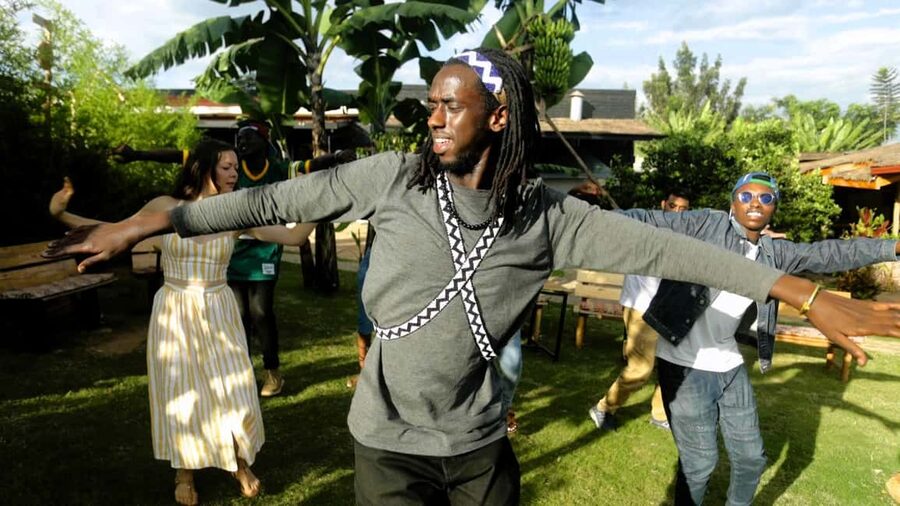
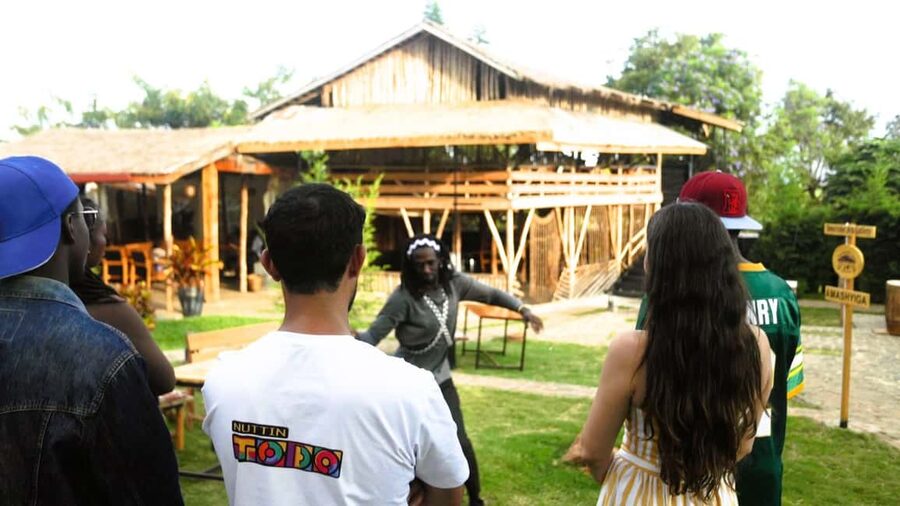
Kigali’s Amaraba dance experience gets you off the sidelines and into the rhythm. Instead of sitting through a polished performance, you learn the steps, gestures, and meaning behind the movements with local dancers and drummers. It is a friendly cultural lesson with plenty of movement.
I like the hands-on format and the way the dance is explained rather than simply presented. I also like the chance to follow live drumming, ask questions, and take photos with the performers. The main drawback is simple: you spend most of the hour standing and moving, so it is not a good fit if you have limited mobility or prefer a quiet, seated activity.
Amaraba dance at a glance
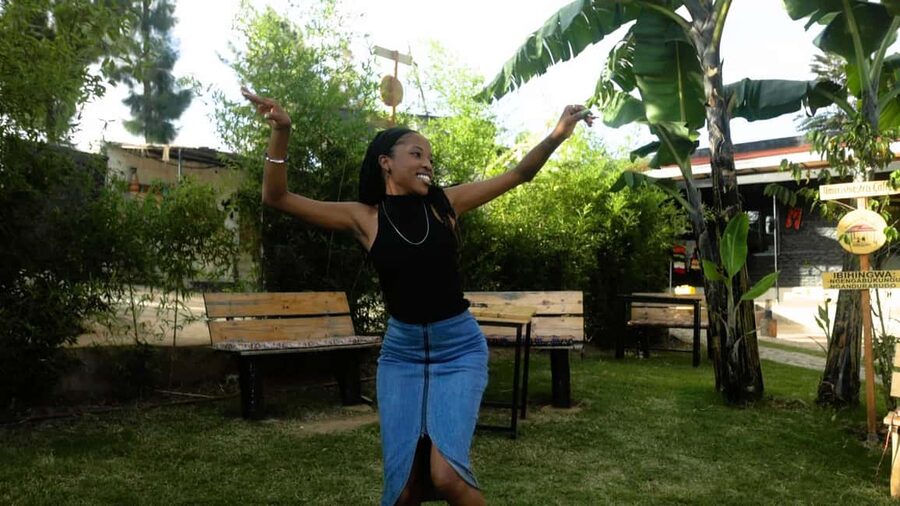
- A one-hour lesson, not just a show: You take part in the dance and follow the performers step by step.
- Live Rwandan drumming: The drumbeat sets the pace and gives the session its energy.
- Meaning behind the movements: Your English-speaking instructor explains the cultural role of the gestures and sequences.
- Friendly local welcome: Warm, helpful hosts are one of the strongest parts of the experience.
- Photos with performers: Bring a camera for colorful costumes and action shots.
- Best for active visitors age 10 to 70: The session requires standing and moving for most of the hour.
Why this Kigali activity feels different
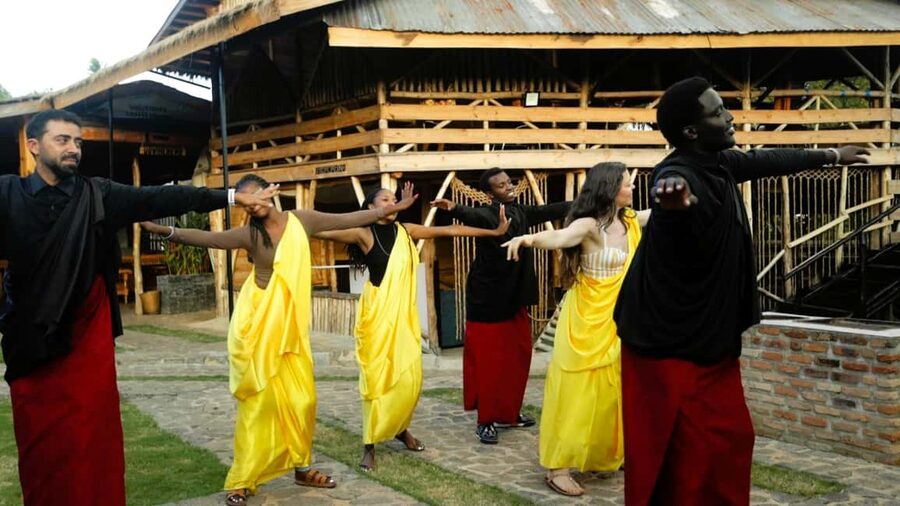
Many cultural activities ask you to watch. This one asks you to move.
Amaraba is taught as a participatory dance, so you are not merely looking at costumes or listening to a short explanation before the main event. You learn a sequence, try it yourself, adjust your movements, and join the dancers as the session gathers pace. That small change makes the experience more personal. You leave with a physical sense of the rhythm, not just a few facts about Rwandan culture.
The session takes place in Kigali Province and lasts one hour. That is a useful length for a city itinerary. You can fit it between sightseeing stops without giving up half a day, yet the format allows enough time to learn several movements and understand why they matter.
The activity is operated by NuttinTODO, with instruction in English. No guide names are provided, but the local performers lead the practical parts of the lesson while the instructor explains the cultural significance. Expect direct guidance rather than a formal lecture.
Other Kigali days people book alongside this one:
- Kigali City Tour
★ 5.0 · 452 reviews - Kigali: Walking Tour with a Local Guide
★ 4.9 · 234 reviews - One-day Akagera National Park Game Drive with a Choice 4×4
★ 5.0 · 105 reviews
The first drumbeat and your introduction
The session begins with traditional drumming. This is not background music added for atmosphere. The beat helps you understand the timing of the dance and gives the lesson a clear structure.
You are guided through the basic steps and gestures before moving into longer sequences. If you have two left feet, do not worry too much. The format is designed for participation, not perfect technique. You can watch a movement, copy it, and try again as the dancers keep the pace supportive.
The drumming can be loud. That adds to the excitement for most adults, but it may overwhelm very young children. Children under 10 are not suitable for this activity, and the experience is also not recommended for anyone over 70. Those limits are worth taking seriously because the session involves active movement rather than a short demonstration followed by a seat.
Learning what the gestures mean
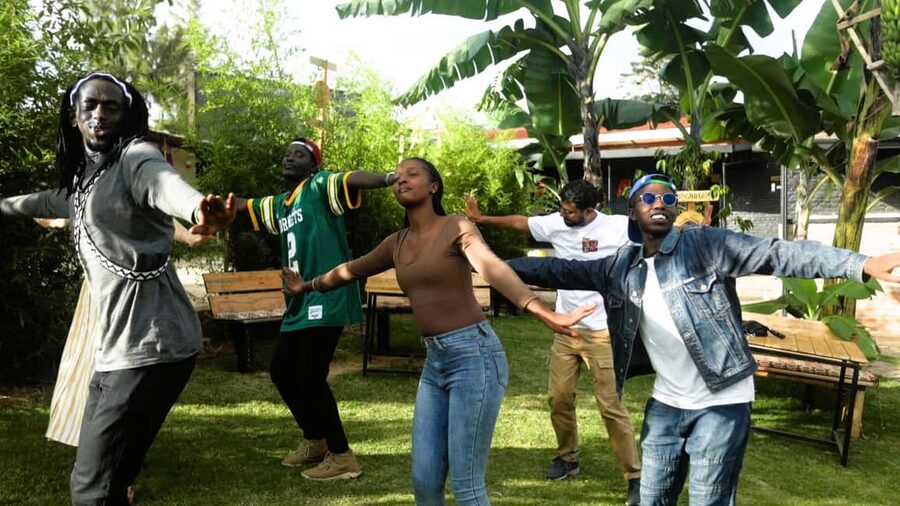
The most useful part of the experience is the explanation behind the dance.
You learn that the movements are not random steps. The instructor discusses the cultural meaning, stories, and symbolism connected with the gestures and sequences. That context gives the activity more weight. You are not just copying arm positions and footwork for a photograph. You are learning how dance can carry ideas, memory, celebration, and community identity.
The information provided does not set out a detailed historical lecture or name each dance segment. You should expect a practical cultural introduction rather than a full academic course. For an hour-long activity, that balance makes sense. The explanations help you understand what you are doing, then you get back to moving.
Ask questions as you go. The format allows interaction, and your questions can help turn a general lesson into something more useful for you. If you want to know why a gesture is performed in a certain way or how a sequence fits into Rwandan tradition, this is the moment to ask.
Joining the dancers instead of watching
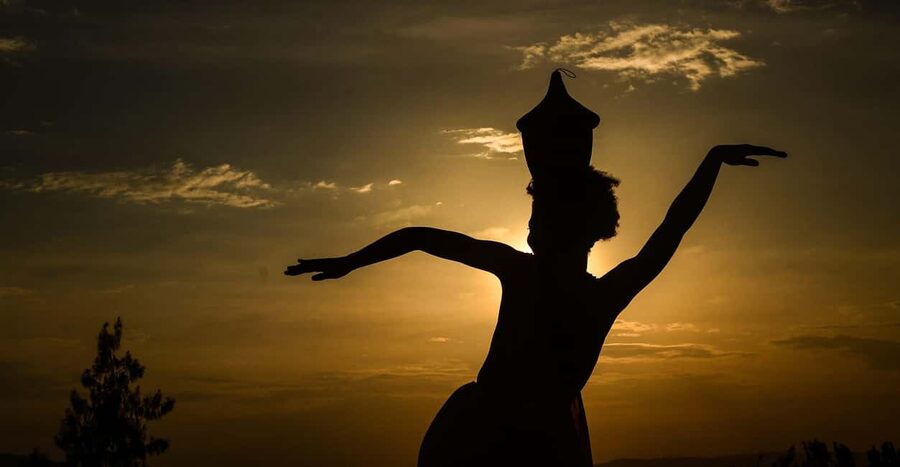
After the first instruction, you take part with the performers. The activity includes the chance to dance alongside them, so the room shifts from demonstration to shared movement.
This is where the experience earns its price. At $30 per person, you are paying for local instruction, a performance element, cultural explanation, and active participation. A short performance alone might be enjoyable, but it would not give you the same feeling of learning something with the people who practice it.
You should still set your expectations correctly. One hour is enough to learn some steps and sequences, not to become an Amaraba dancer. You may remember a gesture, a rhythm, or a short combination by the end. The bigger reward is understanding the dance through your own body and seeing how performers communicate with one another.
The mood is energetic and friendly. Positive feedback repeatedly centers on the welcome from the people involved, the fun of the session, and the chance to experience local culture directly. That makes this a good choice if you value contact and participation more than a perfectly staged show.
Same hills, a completely different day out:
- Private Full-day Kigali City Tour with Pickup and Lunch
★ 5.0 · 79 reviews - Kigali Walking Tour
★ 4.5 · 78 reviews - Kigali E-Bike City Tour with Breakfast
★ 4.9 · 73 reviews - Private 1 Day Akagera Big Five Safari with pick up and lunch.
★ 5.0 · 72 reviews
Cost, length, and what you receive
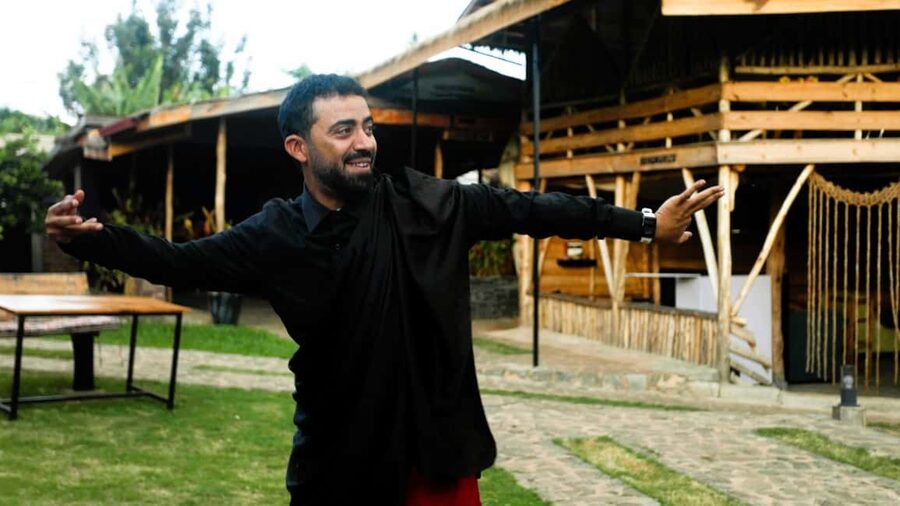
The listed price is $30 per person. For one hour, that is not the cheapest possible activity in Kigali, but the value depends on what you want from a cultural stop.
You receive:
- Entrance to the Amaraba dance performance
- A guided explanation of the dances and their cultural meaning
- The chance to dance with the performers
- The possibility of taking photos with the dancers
- Cultural information from an English-speaking local instructor
That combination is stronger than a ticket for a performance that you simply watch. The instruction is the key part. You get a direct introduction to the movements, plus time to participate.
Meals, refreshments, transport, and souvenirs are not included. Plan your own way to the venue and do not expect food or drinks as part of the one-hour booking. One person from Morocco enjoyed the dance and later stayed for dinner at the venue, where the meal was described as excellent. Dinner is not included in this activity, so treat that as a separate possibility rather than part of the package.
Photos, costumes, and the practical side
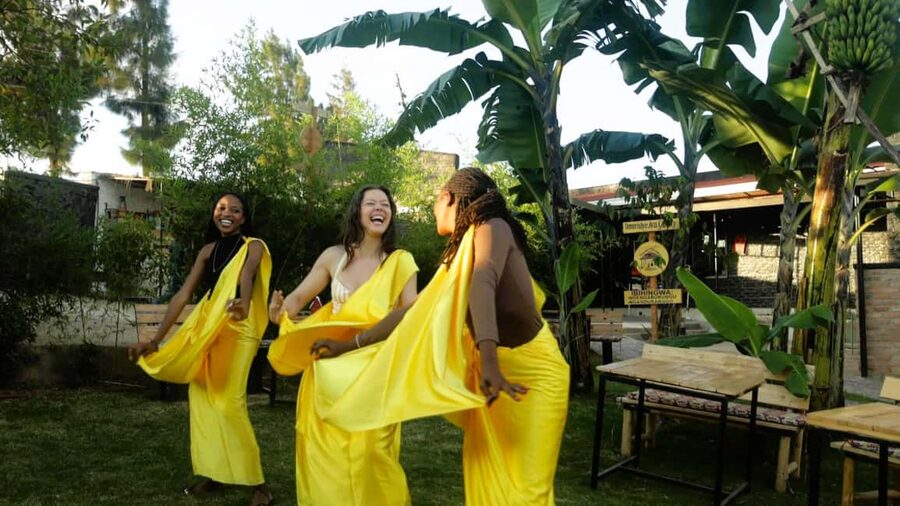
Bring a camera. The colorful costumes and energetic movements make good subjects, especially during the group dance and any photo opportunity with the performers.
Ask before taking close-up photographs, particularly while someone is explaining a movement. The activity specifically allows the possibility of photos with the dancers, so you should have a natural chance to take pictures. A small camera or phone is more practical than bulky equipment when you are expected to keep moving.
Wear something that lets you move comfortably. The supplied information does not set out a dress code, but standing and dancing for most of an hour makes restrictive clothing a poor choice. Comfortable footwear is sensible for the same reason.
Strollers and baby carriages are not allowed. Alcohol and drugs are also prohibited. These rules fit the nature of the session, where the focus is on movement, drumming, and cultural participation.
Transport is not included. Check the exact venue and arrange your own ride before the session. The duration is listed as one hour, but you should allow extra time for getting there, settling in, and leaving. Starting times vary, so availability needs to be checked for your chosen date.
Who will enjoy Amaraba most
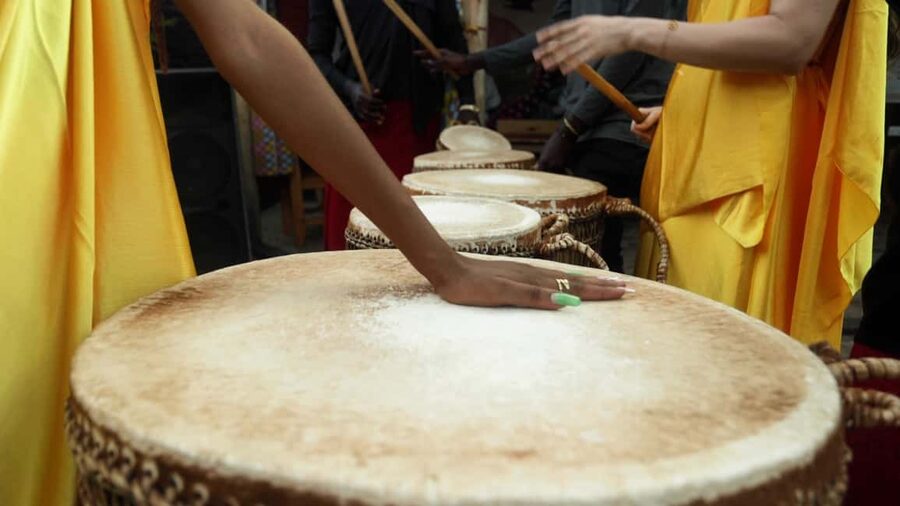
I would recommend this experience to you if you want a cultural activity with a pulse. It suits active adults, older children who can handle loud drumming, and anyone who prefers learning by doing.
It is especially useful for:
- First-time visitors who want a direct introduction to Rwandan culture
- People who enjoy music, dance, and movement
- Couples or friends looking for a shared activity
- Families with children age 10 and older who are comfortable in a lively setting
- Anyone who wants photographs with local performers
- Visitors with a free hour in Kigali who do not want a long excursion
You do not need dance experience. The teaching format is meant to guide you through the movements, and the friendly atmosphere helps take the pressure off. Still, you should be ready to participate. If you want to sit quietly and observe, a standard performance would suit you better.
The activity is not suitable for people with impaired mobility because you are required to stand and move for most of the session. It is also not suitable for children under 10 or people over 70 according to the stated limits. Loud drumming can be too much for little children, even if they enjoy music in other settings.
What the 4.8 rating tells you
The experience has a 4.8 rating from 12 ratings, with the praise focused on a few clear points.
The welcome comes first. The people involved are repeatedly described as friendly, warm, and helpful. That matters in a participatory activity because you need to feel comfortable making mistakes while learning the steps.
The second strength is the fun. The session is built to be lively rather than solemn. You dance, laugh, listen to the drums, and work through the movements with the performers. The activity works best when you accept that you will not get every step right on the first try.
The third is the cultural value. The strongest responses describe the experience as a meaningful way to encounter local culture and an authentic setting. The explanation of the gestures helps support that impression, giving you a reason to pay attention beyond the music and costumes.
A few comments are very brief, but they still point in the same direction: a welcoming atmosphere and an enjoyable dance session. The rating is based on a small number of responses, so I would not treat it as proof that every session will be identical. Still, the consistency of the praise gives you a fair idea of the activity’s character.
Booking flexibility and timing
You can cancel up to 24 hours in advance for a full refund. That is helpful if your Kigali schedule is still changing.
The reserve-now, pay-later option lets you hold a place without paying immediately. Check the available starting times before booking, since the one-hour session does not have one fixed time listed for every date.
Because transport is not included, look at the venue details carefully and plan your route. The dance session itself is short, but a rushed arrival could make the opening explanation harder to follow. Give yourself enough time to arrive ready to take part.
Is $30 a fair price?
For a simple performance, $30 might feel high for one hour. For an interactive lesson with live drumming, cultural explanation, participation, and photographs, the price is easier to justify.
The real value is the access. You are not only consuming a performance. You are being shown how the dance works and invited to join it. That personal element is what separates this from a quick cultural show.
The price is less attractive if you do not want to dance, if you have mobility limits, or if you are looking for a long program with food and transport included. In those cases, you may prefer to spend your budget on an activity with more sightseeing time or a seated format.
Should you book the Amaraba dance experience?
Book it if you want to meet Rwandan culture through movement, music, and direct instruction. The one-hour format is easy to fit into a Kigali plan, the English guidance keeps the lesson accessible, and the friendly local welcome gives the session its strongest appeal.
Skip it if loud drumming bothers you, if you need to remain seated, or if you are traveling with children under 10. Also remember that transport and food are separate costs.
For an active visitor who wants more than a photograph of a performance, I think this is a worthwhile Kigali add-on. Bring a camera, wear comfortable clothes, and be ready to laugh at your own footwork. That is part of the deal.
FAQ
Where does the Amaraba dance experience take place?
It takes place in Kigali Province, Rwanda. Transportation to and from the venue is not included.
How long does the activity last?
The activity lasts one hour. Starting times vary, so check availability for your preferred date.
How much does the experience cost?
The listed price is $30 per person.
Is the dance session interactive?
Yes. You can participate in the dance with the performers and learn the movements step by step.
Is the instruction available in English?
Yes. The instructor language is English.
What is included in the booking?
The booking includes entrance to the Amaraba dance performance, explanations of the dances and their cultural meaning, the chance to participate, possible photos with the dancers, and cultural information from a local instructor.
Is food included?
No. Meals and refreshments are not included. Personal expenses, including souvenirs, are also separate.
What should I bring?
Bring a camera if you would like to photograph the colorful costumes and take pictures with the dancers.
Who should not take part?
The activity is not suitable for children under 10, people over 70, or people with impaired mobility. Little children may also become overwhelmed by the loud drumming. Baby strollers and baby carriages are not allowed, and alcohol and drugs are prohibited.
Just added around Kigali
- Vegan Fine Dining Experience★ 5.0 · 5 reviews
- Private Half-Day Guided Kigali City Tour with Coffee Break Included★ 5.0 · 6 reviews
- Private Transfer from Kigali Airport (KGL) to Kigali★ 4.0 · 5 reviews
- 2 Days Mountain Gorilla Safari Rwanda★ 5.0 · 4 reviews
- Private Memorial Day Tour Ntarama and Nyamata★ 5.0 · 3 reviews
- 1 Day Akagera Wildlife Safaris Rwanda (2 Pax Min)★ 5.0 · 5 reviews
- From Kigali: 8 Hour Day-trip Lake Kivu Cruise Experience★ 4.5 · 3 reviews
- Ntarama and Nyamata Genocide Memorial Day Tour★ 4.5 · 3 reviews
Kigali Tours, compared.



One-day Akagera National Park Game Drive with a Choice 4×4
Read our review →
Private Full-day Kigali City Tour with Pickup and Lunch
Read our review →

Private 1 Day Akagera Big Five Safari with pick up and lunch.
Read our review →
Mount Kigali and Cultural Village Tour with Snacks
Read our review →Browse the lists this tour appears in