
Reviewed · KIGALI CITY TOURS
Kigali City Tour with Local Expert & Local Food
Kigali’s appeal comes into focus as you move from its pedestrian center to Mount Kigali, then on to museums, markets, and neighborhood streets. This private day tour gives you a useful first look at Rwanda’s capital while a local guide explains how the old city and the carefully planned new Kigali fit together.
I like the private transportation, which saves time between far-flung stops, and I like the chance to eat Rwandan food rather than spend the whole day sightseeing from a car. Guides such as Ben add personal stories and clear explanations, especially at the historical museums.
The main consideration is pace. You cover a lot in six to eight hours, and several stops are scheduled for only 30 minutes. If you prefer long museum visits or slow market browsing, you may need to accept a quick look at some places.
Key points to know before booking
- A private Kigali overview: Your group travels with its own driver-guide, so the route is more personal than a large coach tour.
- A serious history lesson: Kandt House and the Kigali Genocide Memorial provide essential context for understanding Rwanda today.
- Mount Kigali views: The city’s highest point, at about 1,850 meters, gives you a broad view over Kigali.
- Local food at lunch: The tour includes a Rwandan meal, with vegetarian and nonvegetarian options.
- A choice of market or women’s center: The itinerary may include Kimironko Market or the Nyamirambo Women’s Center.
- An easy arrival-day option: Pickup is available anywhere in Kigali or at Kigali International Airport.
Why this tour works as a first day in Kigali
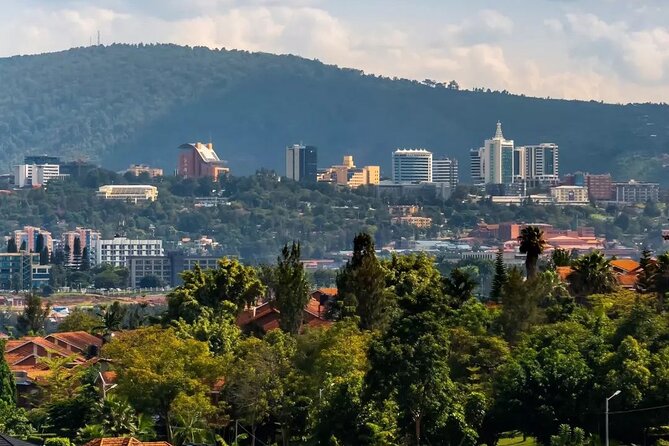
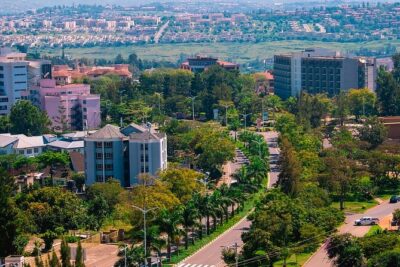
Kigali is not a city you understand from one landmark. Its character comes from the contrast between tidy new districts, older neighborhoods, steep roads, busy markets, and quiet green spaces. This route gives you a little of each.
You spend much of the day in a private vehicle, but you also get out for walks, museums, viewpoints, lunch, and shopping. That balance matters in Kigali. The city’s hills make distances feel longer than they look on a map, so having a driver saves energy and lets you cover more ground.
The tour lasts about six to eight hours. The exact rhythm depends on traffic, how long you spend inside the museums, and which optional stop is used. The listed stop times add up to a fairly brisk day, so think of this as an introduction rather than a full study of every site.
The price is $135 per person. That is not the cheapest way to see Kigali, but the cost includes private transportation, a professional driver-guide, bottled water, lunch, and pickup. Museum admission is included when you select the museum option. For a small group, the price becomes easier to justify because you are paying for a private vehicle and guide rather than simply a series of entrance tickets.
More kigali city tours in Kigali:
- Kigali City Tour
★ 5.0 · 452 reviews - Private Full-day Kigali City Tour with Pickup and Lunch
★ 5.0 · 79 reviews - Kigali City Tour
★ 5.0 · 59 reviews
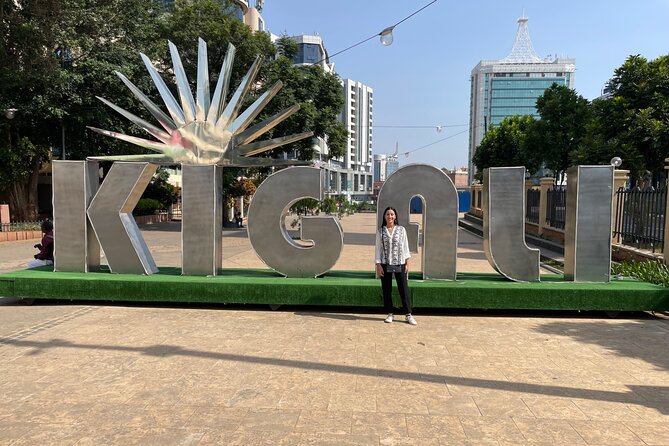
Walking through Kigali’s car-free center
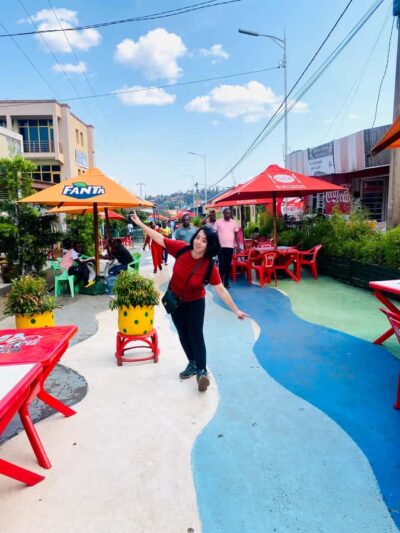
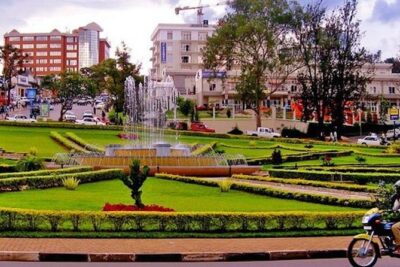
The first stop takes you into central Kigali, in Nyarugenge District. A car-free stretch runs through the city center, giving you a chance to walk without the usual traffic at your shoulder.
This is a good place to get your bearings. You can browse craft shops, take a rest, and see how Kigali presents its public center. Weekend exhibitions and entertainment may add activity, though these are not guaranteed, so do not book the tour solely for an event.
The walk is scheduled for about 30 minutes. That is enough for a quick orientation and a few souvenir stops, but not enough for a long shopping session. If you see something you want, ask your guide about timing before wandering farther along the street.
The route also points out the relationship between old and new Kigali. New construction and city planning are changing the capital, while older areas retain a different scale and feel. Seeing both helps you understand that Kigali is not one uniform city. It is a place in transition, with a clear idea of how it wants to look in the coming decade.
Looking over the city from Mount Kigali
From the center, the vehicle heads toward Mount Kigali, the city’s highest point at roughly 1,850 meters. The drive takes about 15 to 20 minutes and passes around Biryogo and Nyamirambo before climbing toward the summit.
The stop lasts about 30 minutes, mainly for the view. Kigali spreads over hills, and this higher position gives you a useful sense of its shape. It also helps explain why a point that looks close on a map can require a winding drive.
This is one of the tour’s best photo stops, but weather affects the payoff. On a clear day, you should get a broad view of Kigali. On a cloudy day, the visit is still useful for understanding the city’s high setting, but the panorama may be limited.
Do not expect a long mountain outing. This is a viewpoint reached by vehicle, not a hiking excursion. Wear comfortable shoes for the rest of the day, but you do not need special walking gear.
Kandt House and Rwanda before independence
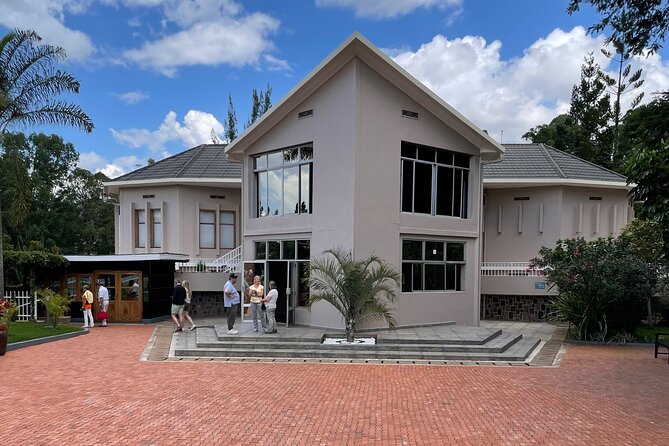
Kandt House Museum gives the day historical structure. The museum is linked to Richard Kandt, the first German colonial governor of Rwanda, and it is arranged in three main sections.
The first section looks at Rwandan life before colonial rule, including social, economic, and political matters. That section is especially valuable because it keeps Rwanda’s own society at the center of the story rather than beginning with European arrival.
The second section covers the German period and the later Belgian administration. Germany ruled Rwanda until 1916, after which Belgium took control under a League of Nations mandate. The museum also presents Kandt’s life and work in Rwanda.
The final section follows Kigali before, during, and after the colonial era. Kigali became Rwanda’s capital at independence in 1962, and this section helps connect the city you see today with its earlier stages.
You have about an hour here, and admission is included. I would treat this as more than a quick photo stop. It gives you background that makes the rest of the day easier to understand, especially when the guide discusses neighborhoods, government planning, and Rwanda’s recent past.
A few more Kigali trips to weigh up
- Rwanda Half-Day Walking Food Tour
★ 5.0 · 35 reviews - Kigali: Guided Art, History, and Food Tour with Moto Ride
★ 4.9 · 34 reviews - Local Community Tour(Cultural, Coffee,Village walk,Local food)
★ 5.0 · 8 reviews - Rwandan and Syrian Food Tour
★ 5.0 · 4 reviews
The Kigali Genocide Memorial
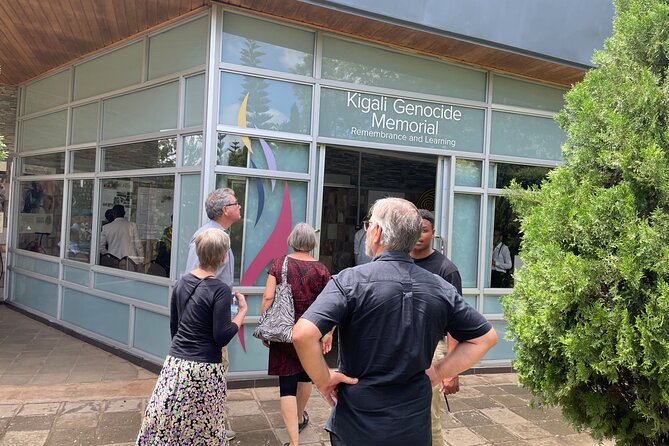
The Kigali Genocide Memorial is the most serious stop of the day. It is a place of remembrance and education dedicated to the victims of the 1994 Genocide against the Tutsi and to Rwanda’s long road toward recovery.
The site was built at the burial place of about 250,000 victims. The museum explains the genocide, its causes, and its effects. It also places Rwanda’s tragedy alongside examples of other genocides around the world.
The museum is free to visit, and the planned visit lasts about an hour. Give this stop your full attention. It is not simply another museum between sightseeing stops. The information here is painful, but it is necessary if you want to understand Rwanda’s present-day focus on reconciliation, order, and development.
The tone of the visit may feel heavy, and that is appropriate. Plan your expectations carefully if you are traveling with children or anyone who may find genocide exhibits difficult. The tour does not treat this as entertainment, and you should not either.
The Campaign Against Genocide Museum
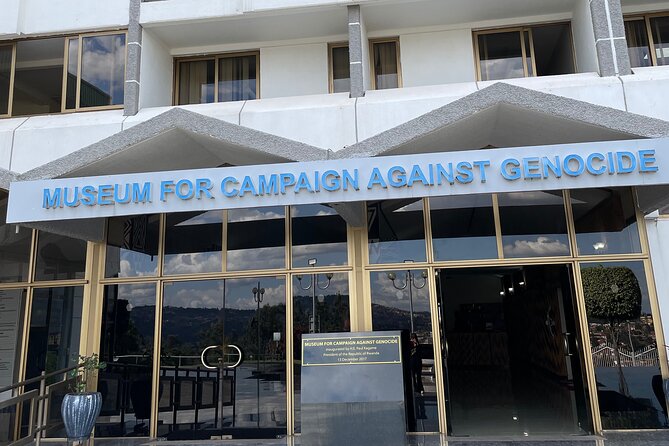
The Campaign Against Genocide Museum presents the effort by the Rwanda Patriotic Army, led by President Kagame, to stop the genocide. It also explains the rebuilding of Rwanda after 1994.
This stop adds a different angle to the memorial. The Kigali Genocide Memorial focuses on victims, remembrance, and the wider history of genocide. The Campaign Against Genocide Museum focuses on the military campaign that ended the genocide and the political story of rebuilding the country.
Admission is included when the museum option is selected. The visit is planned for about an hour, so you have time to take in the exhibits without reducing the day to a series of rushed photographs.
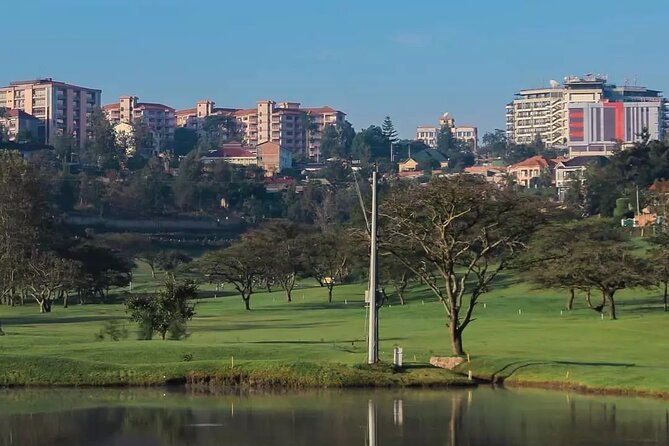
On the way, you may see Kigali Golf Club and Lake Nyarutarama. The golf club is a nine-hole course in a green setting, while the nearby lake offers a small nature break and birdwatching opportunities. These are scenic additions rather than full stops in the main schedule, so ask your guide if you want more time there.
Lunch in Kimihurura and a taste of Rwanda
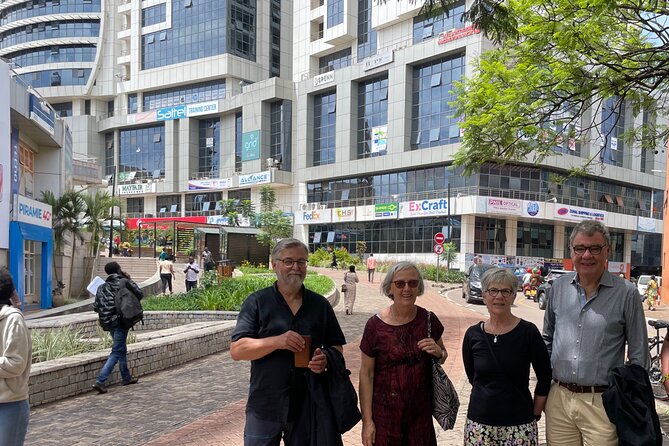
Lunch is one of the most useful parts of the tour because it gives you a chance to try local food in the middle of a packed sightseeing day. The route lists Afrika Bite in Kimihurura, while the inclusions refer to local food at Elikapeka. Confirm the exact restaurant when booking so you know where you will eat.
The meal includes Rwandan food for both vegetarian and nonvegetarian diners. That makes the tour easier for mixed groups, though the supplied details do not specify the exact dishes served.
You have about 30 minutes for lunch. That is enough for a meal, but it is not a long restaurant experience. If you enjoy taking your time over food, this is one place where the schedule may feel tight. Still, a local meal is more useful than another generic stop, and it breaks up the museums with a direct taste of everyday Rwandan cooking.
Kimironko Market or the Nyamirambo Women’s Center
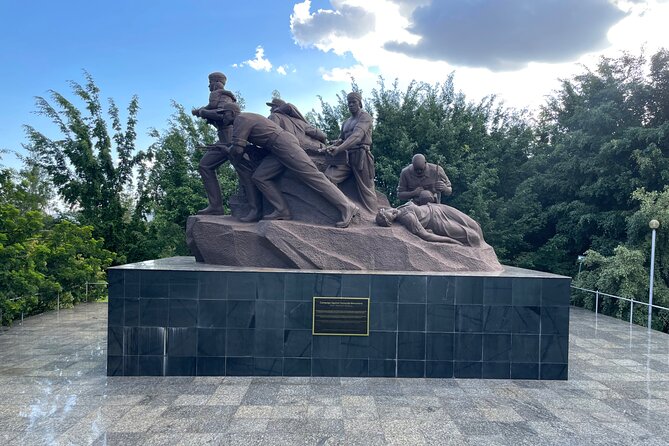
The afternoon includes a choice between Kimironko Market and the Nyamirambo Women’s Center, depending on the arrangement for your tour.
Kimironko is described as Kigali’s biggest and busiest market. You can find food, fabrics, and clothing, and the market gives you a look at the city’s commercial life. A tailor may take your measurements and make colorful African clothing within hours, which could be a fun option if you want a practical souvenir.
A market visit can be lively, but 30 minutes goes quickly. You will need to decide whether you want to browse, shop for fabric, or simply watch the activity. If you are serious about having clothing made, tell the guide early and ask how much time is realistic.
The alternate stop, Nyamirambo Women’s Center, focuses on local women’s economic and social development. The cooperative teaches basket weaving, handicraft production, cooking, computer skills, and sewing. You can see handicrafts made by the women and learn how practical training supports the local community.
These two stops offer different experiences. Choose Kimironko for shopping and city energy. Choose the women’s center for crafts and a closer look at a community-led project. Since the itinerary allows either option, confirm your preference in advance if one matters more to you.
Niyo Arts Center and Kigali’s creative side
Niyo Arts Center is the final listed stop, with about 30 minutes to see the work. It provides space for Rwandan artists to create and display painting, sculpture, dance, music, and drumming. Artists in residence come from different parts of Africa, so the work is not limited to one style or medium.
The center also supports the Niyo Foundation, which gives 40 percent of its profits to an organization helping women and children living in poverty in Rwanda. That makes buying art here more meaningful than picking up a mass-produced souvenir, though you should still buy only something you genuinely want.
A half-hour is enough for a quick look, but not for a detailed art visit. If you enjoy galleries, you may wish the tour allowed more time. Even so, Niyo Arts Center gives the day a welcome change of mood after the genocide museums and adds a creative view of Kigali.
Your guide, vehicle, and the day’s practical rhythm
The tour is private, so only your group participates. That gives you room to ask questions and adjust the pace within reason. A driver-guide from Afri Safaris handles the transportation and interpretation, and Ben is one guide specifically associated with the experience.
A direct review of Ben describes him as an excellent host who explained Rwanda’s history and the different parts of Kigali with useful anecdotes. That detail matters because this tour depends heavily on the guide. The sights are worthwhile, but the connections between them make the day more than a checklist.
Pickup is available anywhere in Kigali or at Kigali International Airport. That makes the tour practical for an arrival day, provided your flight timing leaves enough room for a six to eight-hour activity. Bottled water and private transport are included.
Most people can participate, according to the tour information. The day does include walking in the city center, museum visits, market browsing, and movement around hilly Kigali, so anyone with mobility concerns should ask for details before booking. No special accessibility arrangements are specified.
Free cancellation is available up to 24 hours before the start time. Changes or cancellations inside that window are not accepted for a refund.
Who should book this Kigali tour?
I would recommend it to a first-time visitor who wants a broad introduction to Kigali in one day. It works especially well if you value history, want a private guide, and prefer not to arrange separate taxis for every museum and neighborhood.
It also suits a short stay, a stopover with enough time, or a small group that wants to combine sightseeing with local food. The pickup option at the airport adds real convenience.
I would hesitate if your main interests are long shopping sessions, wildlife, nightlife, or a slow food tour. The schedule covers many places, and the 30-minute stops are designed for orientation rather than deep exploration.
Is the $135 price worth it?
For one person, $135 is a significant price for a day in Kigali. The value improves if two or more people share the private experience and care about having transport, a guide, lunch, bottled water, and selected museum admission bundled together.
You are also paying for time and ease. Kigali’s hills and spread-out sights make independent routing less simple than the map suggests. A private driver lets you move from the center to Mount Kigali, the museums, Kimihurura, the market area, and Niyo Arts Center without building the day yourself.
The value is weaker if you want only the free sights and are comfortable arranging transport independently. It is stronger if you want context, efficient movement, and a local meal in one carefully planned day.
Should you book it?
Book this tour if you want Kigali’s main city sights, Rwanda’s modern history, a viewpoint, local food, and art in one private outing. The strongest parts are the guide-led explanations, the Kigali Genocide Memorial, Mount Kigali, and the chance to choose between a market and a women’s center.
Before paying, confirm the lunch venue, ask which afternoon option is planned, and tell the operator how much time you want at the museums. If you can accept a full schedule and some short stops, this is a practical and thoughtful way to begin your time in Kigali.
FAQ
How long does the Kigali City Tour with Local Expert & Local Food last?
The tour lasts approximately six to eight hours.
How much does the tour cost?
The listed price is $135 per person.
Is the tour private?
Yes. Only your group participates in the private tour or activity.
Is pickup available?
Yes. Pickup is offered anywhere in Kigali City or at Kigali International Airport.
Is lunch included?
Yes. Local Rwandan food is included, with options for both vegetarian and nonvegetarian diners. The tour details name Afrika Bite in Kimihurura, while the inclusions mention Elikapeka, so confirm the venue before the tour.
Are museum admission fees included?
Admission fees for Kandt House Museum and the Campaign Against Genocide Museum are included when that museum option is selected. The Kigali Genocide Memorial is listed as free to visit.
Can I visit Kimironko Market or the Nyamirambo Women’s Center?
The itinerary includes Kimironko Market or Nyamirambo Women’s Center. Confirm which stop is planned for your tour.
What is the cancellation policy?
You can cancel up to 24 hours before the experience start time for a full refund. Cancellations or changes made less than 24 hours before the start time are not accepted for a refund.
More Food in Kigali
- Vegan Fine Dining Experience
★ 5.0 · 5 reviews - Walking Food Tour in Remera and Kigali
★ 5.0 · 4 reviews
Just added around Kigali
- Private Half-Day Guided Kigali City Tour with Coffee Break Included★ 5.0 · 6 reviews
- Vegan Fine Dining Experience★ 5.0 · 5 reviews
- 2 Days Mountain Gorilla Safari Rwanda★ 5.0 · 4 reviews
- Private Transfer from Kigali Airport (KGL) to Kigali★ 4.0 · 5 reviews
- Private Memorial Day Tour Ntarama and Nyamata★ 5.0 · 3 reviews
- 1 Day Akagera Wildlife Safaris Rwanda (2 Pax Min)★ 5.0 · 5 reviews
- One Day Mount Bisoke Hike Adventure Tour in Volcanoes Park★ 4.5 · 4 reviews
- From Kigali: 8 Hour Day-trip Lake Kivu Cruise Experience★ 4.5 · 3 reviews
Kigali City Tours, compared.

Private Full-day Kigali City Tour with Pickup and Lunch
Read our review →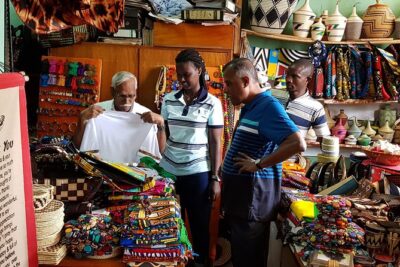
Kigali City Tour: History, Art and Local Highlights.
Read our review →
Browse the lists this tour appears in