
Reviewed · FOOD & DRINK
Rwandan and Syrian Food Tour
Kigali’s food scene gets an unusual two-country treatment on this tour. You’ll move between Rwandan staples and Syrian recipes, tasting both in a compact two-hour outing rather than choosing one cuisine and missing the other.
I like the clear vegetarian and non-vegetarian choices, and I like the traditional sugarcane juice mixed with ginger and lemon. Gloria, the guide named in the tour details, also brings a personal touch, with follow-up contact before the outing and helpful explanations about Rwandan language, culture, and food. The main drawback is simple: two hours can feel short if you want a slow meal or a wider look at Kigali’s food streets.
Key points to know before booking
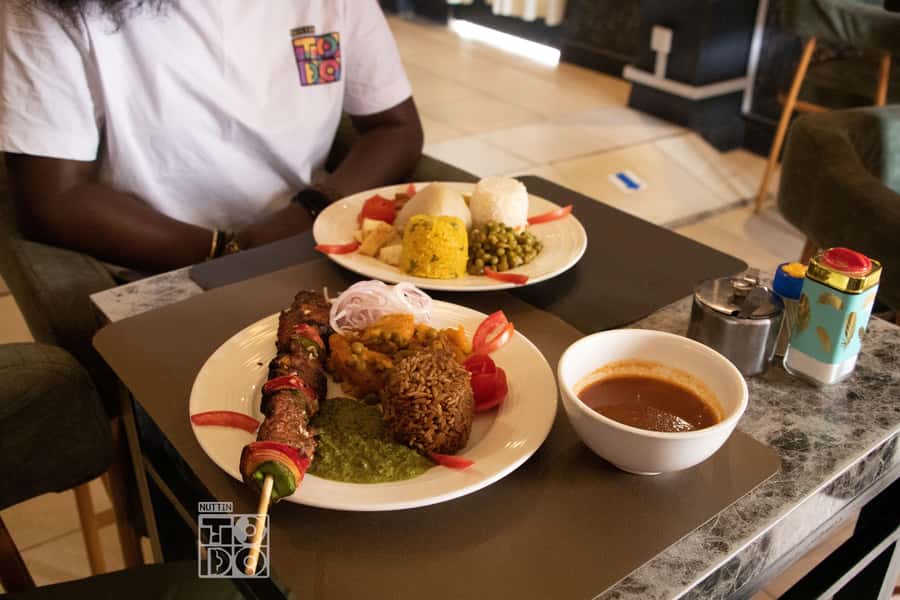
- Three food stops: The experience includes three places, enough for variety without turning the outing into an all-day commitment.
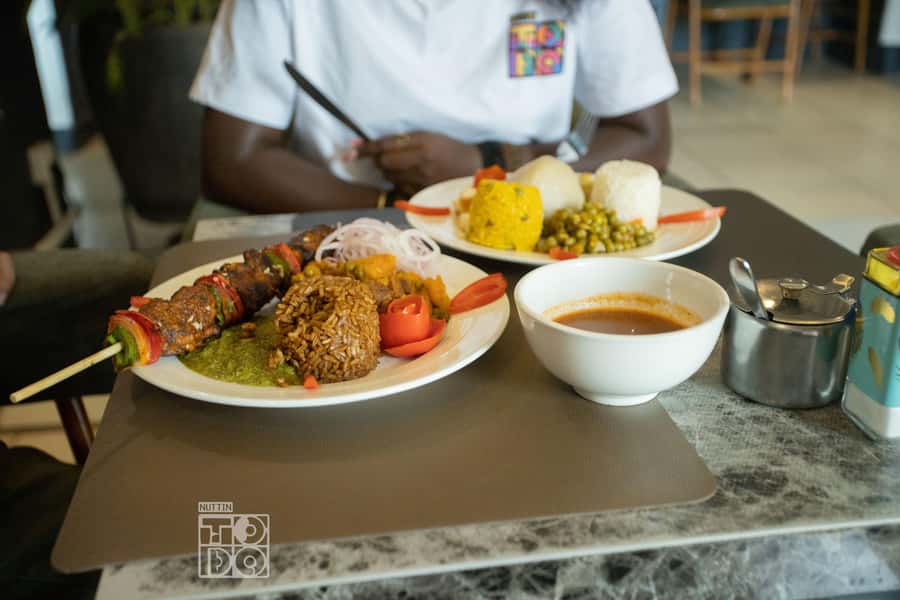
- Rwandan classics: You may taste isombe and ugali, two dishes specifically associated with the experience.
- Syrian food too: The menu pairs local Rwandan fare with authentic Syrian dishes for a broader taste of Kigali.
- Vegetarian-friendly choices: Meat-free options are available, though serious allergies and restrictive diets may not be accommodated.
- Fresh sugarcane drink: Sugarcane juice with ginger and lemon gives the tour a refreshing break between tastings.
- English or Arabic guide: The tour is led in English or Arabic, with stories about food, language, and culture.
Kigali food streets in a two-hour window
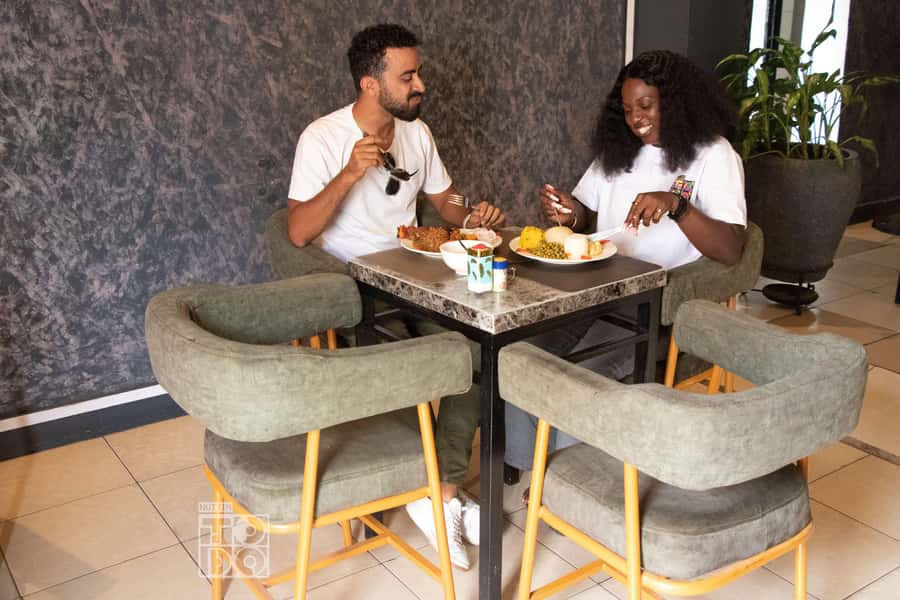
This is a compact food walk built around tasting rather than a long formal meal. Your guide takes you through Kigali food streets, where the appeal is not only what lands on your plate, but also the chance to see how food fits into daily life in the city.
The route includes three stops. That number matters. You get enough movement and contrast to compare dishes, while the two-hour length remains manageable during a short stay in Kigali. You should not expect a full city tour or a long cooking class. Instead, think of it as a focused introduction to two cuisines with a local guide doing the connecting work.
The food streets add a useful sense of place. You are not simply seated in one restaurant and handed a fixed menu. You get a glimpse of Kigali’s everyday eating culture, along with the sounds, smells, and movement of streets known for food. Exact dishes can vary, so it is best to approach the tour as a tasting route rather than a guaranteed list of every item.
Wear comfortable shoes. You will be walking, and the tour does not include transport to or from the starting point. Bring water, a hat, and sunscreen, especially if your time in Kigali includes a sunny daytime start.
More kigali food tours in Kigali:
- Rwanda Half-Day Walking Food Tour
★ 5.0 · 35 reviews - Kigali: Guided Art, History, and Food Tour with Moto Ride
★ 4.9 · 34 reviews - Walking Food Tour in Remera and Kigali
★ 5.0 · 4 reviews
What you may taste at the Rwandan stops
The Rwandan part of the menu gives you a chance to try familiar local foods in a guided setting. Two dishes tied directly to this experience are isombe and ugali.
Isombe is a cassava-leaf dish, commonly associated with Rwandan cooking. Ugali is a firm maize-based staple served across parts of East Africa. For someone new to Rwanda, these foods are useful starting points because they show how everyday ingredients become filling, central parts of a meal.
You may find the texture of ugali quite different from what you expect if you are used to rice, bread, or potatoes as the main side. It is meant to accompany other foods, so try it with whatever is served alongside it rather than judging it on its own. Isombe offers another contrast, with leafy greens prepared as a hearty dish rather than a light salad.
The guide’s role is important here. Gloria has been praised for explaining Rwandan culture, language, and food in a way that adds meaning to the tasting. That makes the local dishes easier to understand, particularly if this is your first introduction to Rwandan cuisine.
Do not expect every Rwandan dish to be spicy. The experience focuses on flavor and tradition, but the supplied information does not promise a particular heat level or a fixed menu. If you have a strong preference, ask about the dishes at the start.
Syrian dishes bring a second food tradition
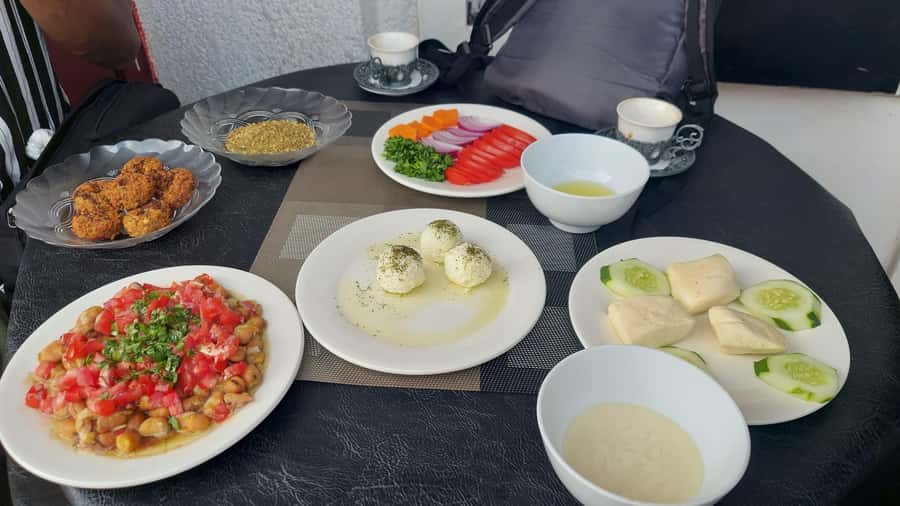
The Syrian portion gives the tour its unusual shape. Kigali has many ways to eat, but this experience deliberately places Rwandan food beside Syrian food, allowing you to compare different ingredients, cooking methods, and table traditions in one outing.
The Syrian dishes are described as authentic, though no fixed list is provided. That means I would book this for the contrast between the cuisines, not because you have your heart set on one named dish. You may find the Syrian tastings especially useful if you have already sampled East African food and want to see another culinary tradition without booking a separate restaurant meal.
The pairing also gives your guide more to explain. Food can reveal how people preserve tradition, adapt to a new city, and share familiar flavors far from home. The tour description promises stories and cultural insights, so you are getting context along with the tasting.
There is a practical point here. People who prefer to eat only foods they already know may find the mixed menu less comfortable. This is a sampling experience, and the tour is not suitable for people who do not want to try a variety of cuisines.
Isombe, ugali, and sugarcane juice
The drink may be a small part of the tour, but it helps shape the pace. Traditional sugarcane juice is served with ginger and lemon, giving you something cool and bright between the food stops.
That combination should appeal if you like fresh, sharp flavors. Ginger adds warmth, while lemon cuts through the sweetness of sugarcane. It also gives the tour a distinctly local touch instead of relying on a standard bottled drink.
I would not treat the juice as the main reason to book, but it is a thoughtful detail. Food walks can become heavy when several tastings arrive close together. A refreshing drink helps break up the meal and gives you a chance to reset before the next stop.
Bring your own water as well. The tour includes sugarcane juice, but water is listed among the recommended items, and it is useful to have a plain drink while walking.
A few more Kigali trips to weigh up
- Local Community Tour(Cultural, Coffee,Village walk,Local food)
★ 5.0 · 8 reviews - Kigali City Tour with Local Expert & Local Food
★ 5.0 · 8 reviews
Gloria’s guide style and the human side of the tour
The guide can make or break a short food experience. With only two hours, you need someone who can keep the route moving while still making room for questions and explanations.
Gloria is the named guide associated with the experience, and her approach sounds attentive. She contacted one booking party the day before and again on the day of the tour. When another participant arrived late, Gloria adjusted kindly and tried to make the remaining time worthwhile.
That does not mean you should plan to arrive late. A shortened tour can mean fewer tastings and less time for conversation. Still, the flexibility is reassuring if a short stay in Kigali leaves you working around a tight schedule.
Her strengths appear to be warmth, engagement, and cultural explanation. She has been singled out for teaching about Rwandan language, culture, and food, not simply pointing out dishes and moving on. That is exactly the kind of added value I want from a food walk.
Guiding is available in English and Arabic. If language choice matters to you, confirm your preferred option when booking.
How the three stops shape the experience
The three-stop format gives the tour a natural rhythm. You begin with the city and the food streets, move into tastings, then continue to the next place with your guide adding background along the way.
At one stop, you might focus on Rwandan dishes such as isombe and ugali. At another, you may try Syrian food. The final location helps complete the comparison, though the exact order and menu are not specified.
This is a strength for curious eaters. Each stop can offer a different setting and a different way of serving food. It also keeps the outing from feeling like a single restaurant visit with a long explanation attached.
The tradeoff is that you will not have full control over the menu. The tour promises a blend of Rwandan and Syrian dishes, but not a detailed dish-by-dish schedule. If you need to plan around a specific ingredient, contact the provider before booking.
I also would not expect a large number of separate bites simply because there are three stops. The food is described as substantial, and one account ended with the two people feeling full. Plan this as a meal-sized experience, not a few tiny samples before dinner.
Vegetarian choices, allergies, and restrictions
Vegetarian diners are included in the design of the menu, which makes this easier to recommend to mixed groups. You can share the outing with a meat eater without one person being limited to a token side dish.
Non-vegetarian options are available as well. The point is variety, so you should have a chance to compare different dishes rather than eating one narrow style from beginning to end.
There are limits. The experience is not suitable for people with severe food allergies or dietary restrictions that cannot be accommodated. The information does not specify how ingredients are handled, so anyone with a serious allergy should ask detailed questions before reserving.
If you eat vegetarian food for preference rather than medical need, the tour should be fairly straightforward. If you follow a strict vegan, gluten-free, halal, or other specific diet, do not assume every stop will work for you. Ask first and be prepared for the answer that some dishes may not be available.
Children under eight are not accepted. Older children may enjoy the tasting format, but the two-hour walk and unfamiliar foods will suit curious eaters better than picky ones.
Is $35 a fair price?
At $35 per person, the value depends on what you want from a Kigali food experience. The fee includes a local guide, tastings at three food stops, sugarcane juice with ginger and lemon, and cultural explanations. It does not include transport to or from the meeting point or personal purchases.
For a visitor who wants a ready-made introduction to both Rwandan and Syrian food, that is a reasonable package. You are paying for food, but also for route planning, interpretation, and the chance to sample several places without having to choose them yourself.
The value improves if you are in Kigali for a short time. Two hours fits neatly into a busy itinerary, and a guided food walk can help you get oriented before deciding where to eat later. It may be less appealing if you already know the city’s food scene or prefer to spend $35 on one long restaurant meal.
Come hungry, but not starving. The tastings can add up, and the food is substantial enough that you may finish full. That makes the price easier to judge as a light meal plus a cultural activity rather than as a simple snack tour.
You can reserve now and pay later, and cancellation is free up to 24 hours in advance for a full refund. Those terms help if your Kigali plans are still shifting.
Practical advice for a smoother outing
The meeting point is not described in the supplied details, so check it carefully before setting out. Since transport is not included, allow enough time to reach the starting point on your own.
Wear walking shoes rather than sandals that offer little support. A hat, sunscreen, and water are sensible additions, and smoking and pets are not allowed.
I would schedule the tour early in your Kigali stay if possible. The guide’s explanations about food and language can give you useful context for later meals, and you will still have time to return to a dish or area you particularly enjoyed.
Keep your schedule flexible after the tour. Since the tastings may fill you up, you might not want to book an immediate large lunch. The two-hour duration is fixed, but the pace can feel full when you are eating at three locations.
The tour is designed for people who want to sample, compare, and ask questions. It is not the best match for anyone seeking a quiet private meal, a cooking lesson, or a highly controlled menu.
Who should book this Kigali food tour?
I would recommend it to first-time visitors who want a quick, guided introduction to Kigali’s food culture. It works especially well for people who enjoy trying unfamiliar dishes and want more than a restaurant recommendation.
It is also a good fit for mixed groups. Vegetarians and meat eaters can take part together, and the Rwandan and Syrian combination gives everyone something different to discuss.
The tour may suit Arabic-speaking visitors particularly well because Arabic is available alongside English. It also makes sense for anyone who wants a guide who can explain local food in cultural terms, rather than simply naming each dish.
I would hesitate if you have severe allergies, strict dietary needs, mobility concerns not addressed in the information, or little interest in unfamiliar cuisines. The experience depends on sampling a range of foods, and the menu is not fully listed in advance.
The strongest reason to book is the balance of food and personal guidance. Gloria’s friendly follow-up and attention to guests add reassurance, while the three stops and substantial portions give you plenty to taste within two hours.
Should you book the Rwandan and Syrian Food Tour?
Book it if you want an affordable, focused way to taste two food traditions in Kigali, especially during a short visit. The combination of isombe, ugali, Syrian dishes, and ginger-lemon sugarcane juice gives the outing a clear identity, and the guide’s cultural explanations add value beyond the plate.
Skip it if you need a fixed menu, have serious allergies, or prefer a long, leisurely restaurant meal. For curious eaters who can handle a little menu uncertainty, $35 buys a generous introduction to Kigali’s food streets and the stories behind what you are eating.
FAQ
Where does the Rwandan and Syrian Food Tour take place?
The tour takes place in Kigali Province, Rwanda, with visits to food streets in Kigali known for their culinary offerings.
How long does the food tour last?
The experience lasts two hours.
How much does the tour cost?
The listed price is $35 per person.
Which cuisines are included?
You will taste a blend of popular Rwandan dishes and authentic Syrian cuisine.
Are vegetarian options available?
Yes. The tour includes options for both vegetarian and non-vegetarian preferences.
What drink is included?
Traditional sugarcane juice with ginger and lemon is included.
Which languages can the guide speak?
The live guide is available in English and Arabic.
Are children allowed to join?
Children under eight years old are not suitable for this experience.
More Food in Kigali
- Vegan Fine Dining Experience
★ 5.0 · 5 reviews
Just added around Kigali
- Private Half-Day Guided Kigali City Tour with Coffee Break Included★ 5.0 · 6 reviews
- Vegan Fine Dining Experience★ 5.0 · 5 reviews
- 2 Days Mountain Gorilla Safari Rwanda★ 5.0 · 4 reviews
- Private Transfer from Kigali Airport (KGL) to Kigali★ 4.0 · 5 reviews
- Private Memorial Day Tour Ntarama and Nyamata★ 5.0 · 3 reviews
- 1 Day Akagera Wildlife Safaris Rwanda (2 Pax Min)★ 5.0 · 5 reviews
- From Kigali: 8 Hour Day-trip Lake Kivu Cruise Experience★ 4.5 · 3 reviews
- Ntarama and Nyamata Genocide Memorial Day Tour★ 4.5 · 3 reviews
Food & Drink, compared.


Guided Art, History, and Food Tour with Moto Ride
Read our review →
Local Community Tour(Cultural, Coffee,Village walk,Local food)
Read our review →
Browse the lists this tour appears in