

Reviewed · COFFEE EXPERIENCES
Kigali: Traditional Coffee Experience ( Bean to Brew)
The most memorable part of this Kigali experience is that you do not simply drink Rwandan coffee, you help make it. You may handle the fruit, work through the bean-processing steps, roast it over traditional and modern methods, pound it, and finally drink the coffee you helped prepare. I like the hands-on work and the way the session links coffee with music, games, crafts, and daily Rwandan life.
I also like the personal scale. Guides such as Gilbert, John, Deborah, and Chaplan have been praised for their patience and clear explanations, while the center’s owners use its income to support an NGO and help children return to school. The main thing to keep in mind is that this is based at Umurishyo Arts Gallery in the city, not necessarily a full visit to a rural plantation, so confirm the exact field portion when you book.
Key points at a glance

- You process the coffee yourself: Work from coffee fruit and beans through roasting, pounding, brewing, and tasting.
- Traditional methods take center stage: Expect more than a standard café demonstration, including hands-on preparation and coffee made with ginger.
- The setting is cultural as well as culinary: Umurishyo Arts Gallery also offers local crafts, music, dances, games, and conversation.
- Guides make the difference: Gilbert, John, Deborah, and Chaplan are among the named guides associated with warm, patient instruction.
- The city location may surprise you: The meeting point is a cultural center in Kigali, although some sessions include coffee fields or fresh bean picking.
- Your $50 has a wider purpose: The activity supports local businesses, the cultural center, and community projects connected with education.
From coffee fruit to your first cup

Coffee is often treated as a finished product. You buy a packet, grind it, add hot water, and move on. This activity slows that process down and shows you how much work comes before the first sip.
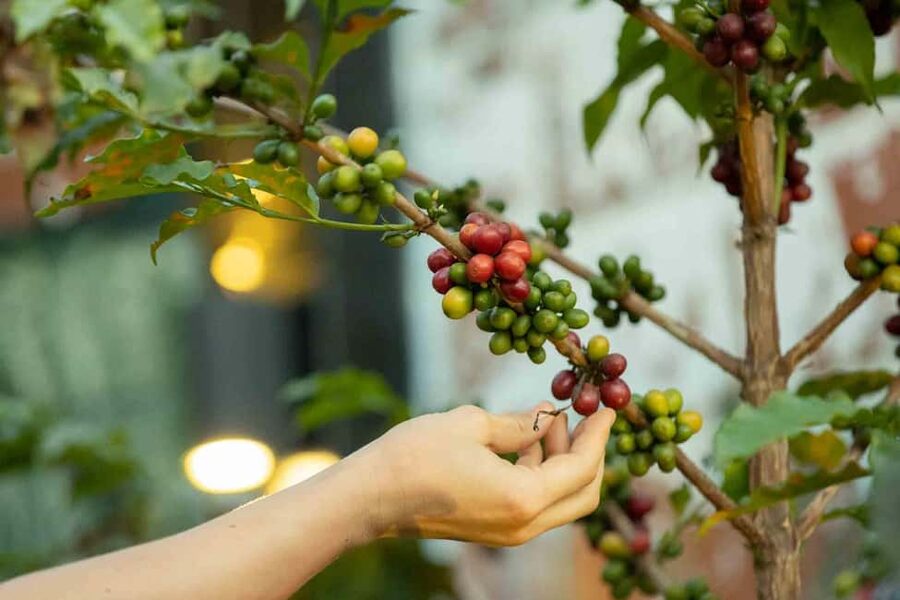
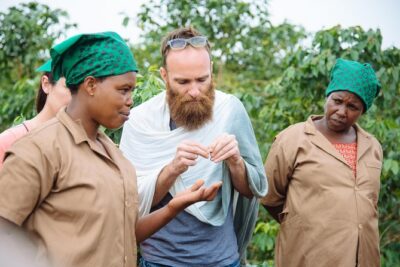
At the start, your guide introduces Rwanda’s coffee-growing traditions and the work carried out by local farmers. You learn about cultivation and the steps that turn coffee fruit into usable beans. Some accounts of the activity describe picking fresh beans and visiting coffee fields, while others focus on the cultural center itself. That difference matters, so ask what your particular departure includes if a farm visit is essential to you.
The heart of the session is practical. You are not only watching someone roast or brew coffee while standing safely out of the way. You are invited to take part, with the guide explaining each stage and giving you time to try it yourself.
That makes this a good choice if you enjoy food activities where the result is not guaranteed to be perfect. Your beans may roast unevenly. Your pounding may take longer than expected. That is part of the point. You see the skill involved instead of receiving a polished performance.
A few more Kigali trips to weigh up
- Specialty Coffee Masterclass
★ 5.0 · 33 reviews - Women-led Coffee Farm Trek
★ 5.0 · 19 reviews - Full Day Shared Akagera Safari Tour with Lunch and Coffee
★ 5.0 · 15 reviews
The traditional coffee work is the real attraction
The traditional preparation gives this activity its character. You may begin with the fruit and follow it through the early processing stages before working with the beans. The process can include opening the coffee fruit, preparing the beans, roasting them, and pounding them before brewing.
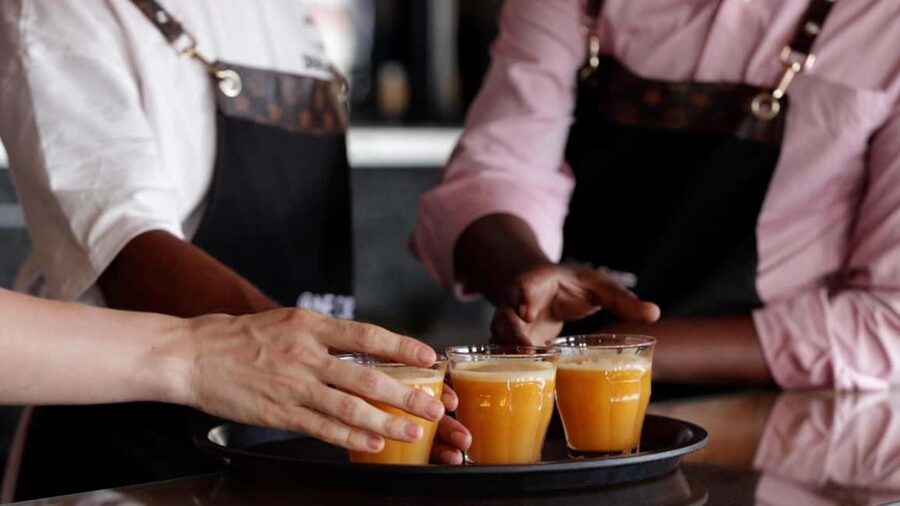
One especially appealing detail is the chance to taste coffee prepared with ginger as well as plain black coffee. The ginger version gives you a direct way to compare a familiar drink with a local variation. You can also expect time to talk through the flavors rather than simply being handed a cup and sent on your way.
The pounding stage is worth treating as more than a photo opportunity. It connects the drink in your cup to older household methods and makes the work physical. If you are hesitant at first, take the advice given by previous participants: roll up your sleeves and join in. The activity is designed for participation, and you will get more from it if you stop worrying about doing every step perfectly.
The session may finish with a certificate, which is a small but enjoyable reminder of what you made. It does not turn the activity into a formal professional course, but it gives the afternoon a clear ending.
Traditional roasting and modern roasting side by side
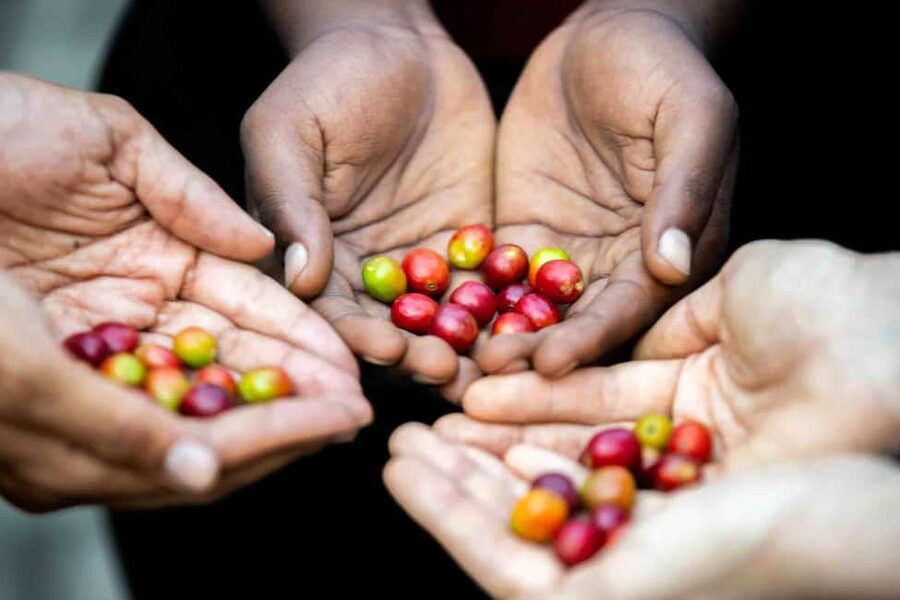
The experience includes both traditional and modern roasting methods. This comparison is useful because it shows that coffee preparation is not one fixed ritual. Heat, timing, and handling all affect the final flavor, and modern tools do not erase the older methods.
Your guide explains what is happening as the beans change. You can watch, smell, and handle the process rather than relying on a lecture. I find this especially valuable for people who drink coffee every day but have never seen beans before they reach a grinder.
The exact equipment and length of each roasting demonstration are not specified, so do not book this expecting a technical barista class with detailed temperature charts or espresso training. This is a cultural workshop centered on traditional preparation and local coffee, not a certification course.
The modern method adds useful context, though. It helps you understand how Rwandan coffee can be prepared in different settings, from a traditional home-style process to a contemporary café. The contrast also makes the final tasting more meaningful.
Umurishyo Arts Gallery brings more than coffee
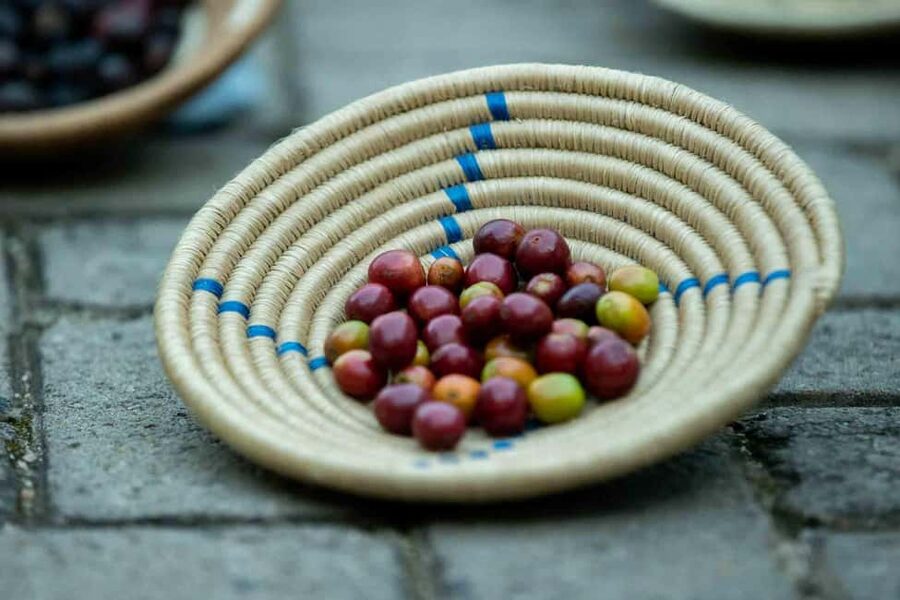
The meeting point is Umurishyo Arts Gallery, a cultural center in Kigali. Several parts of the experience take place here, and the setting gives the coffee session a broader frame.
You might encounter traditional music, drums, dances, local crafts, or conversation about Rwandan life. One guide has also introduced participants to Igisoro, a traditional Rwandan game. Another has shown a participant around Kimironko market. These additions are not guaranteed as fixed parts of every session, but they show how the activity can extend beyond the coffee table.
That flexibility can be a strength. If you want a short, tightly timed workshop with no extra conversation, the cultural side may feel less focused. If you prefer meeting local people and learning through informal exchange, it adds real value.
The center also sells artisan crafts made by children connected with its community work. The money earned helps support an NGO and projects aimed at getting children off the streets and back into school. You are not simply paying for a drink and a demonstration. Your visit helps keep a local cultural and social enterprise operating, though personal purchases are extra.
Same hills, a completely different day out:
- Kigali City Tour
★ 5.0 · 452 reviews - Kigali: Walking Tour with a Local Guide
★ 4.9 · 234 reviews - One-day Akagera National Park Game Drive with a Choice 4×4
★ 5.0 · 105 reviews - Private Full-day Kigali City Tour with Pickup and Lunch
★ 5.0 · 79 reviews
The guides shape the experience
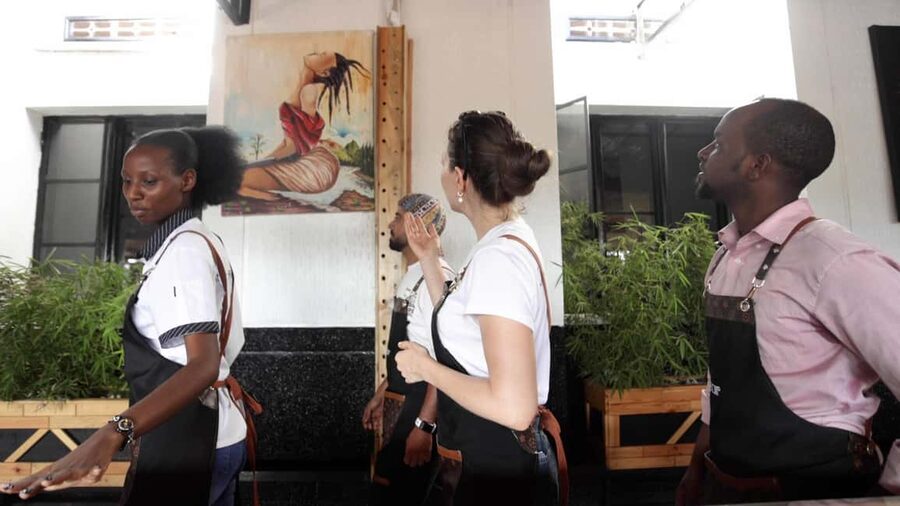
This activity depends heavily on the guide, and the named instructors give you a useful idea of what to expect. Gilbert has been described as friendly and willing to explain culture, traditional life, music, and dance alongside coffee. John is associated with patient, story-based instruction from the origins of coffee through the preparation process.
Deborah has led the practical coffee work, while Chaplan has combined the coffee session with extra local orientation. The activity is offered in English, French, and Swahili, so you can choose a language that suits your booking.
The strongest feature here is the unhurried explanation. Participants have been able to ask questions, chat with the guide, and spend extra time at the center after the coffee-making portion. That is not the style of a large group tour rushing from one scheduled stop to the next.
Group size is not specified, although the experience has been described as taking place in a small group. You should still confirm the arrangement if a private session or a very small party is important to you.
What the tasting tells you
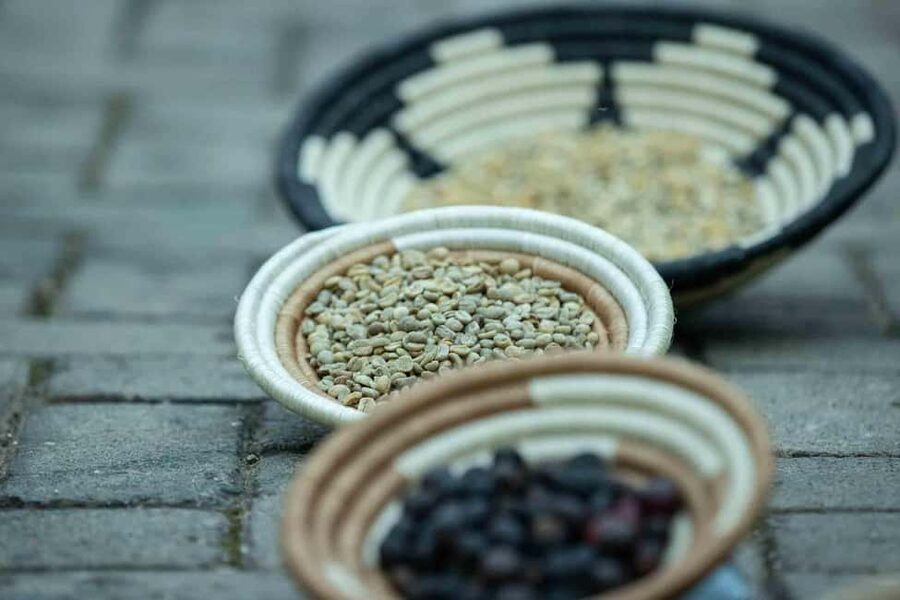
The tasting is the payoff, but it works because you have followed the beans from an earlier stage. You may sample several local blends and drink the coffee you helped process. That connection between work and taste is the main reason the session feels more satisfying than an ordinary café stop.
Expect black coffee, and possibly coffee prepared with ginger. The available blends and brewing styles can vary, so you should not assume a fixed menu. The goal is to understand Rwandan coffee through several cups and conversations with local hosts.
This is not described as a formal cupping session for industry professionals. You will probably get more cultural explanation and practical participation than specialist tasting vocabulary. If you are a serious coffee enthusiast, you may wish for more detail on altitude, varietals, processing methods, or roast profiles. The information provided does not promise that level of technical analysis.
For most visitors, that is a fair trade. You learn how coffee fits into local work and hospitality, then sit down to enjoy the result. The tasting feels social rather than clinical.
Why the city setting matters
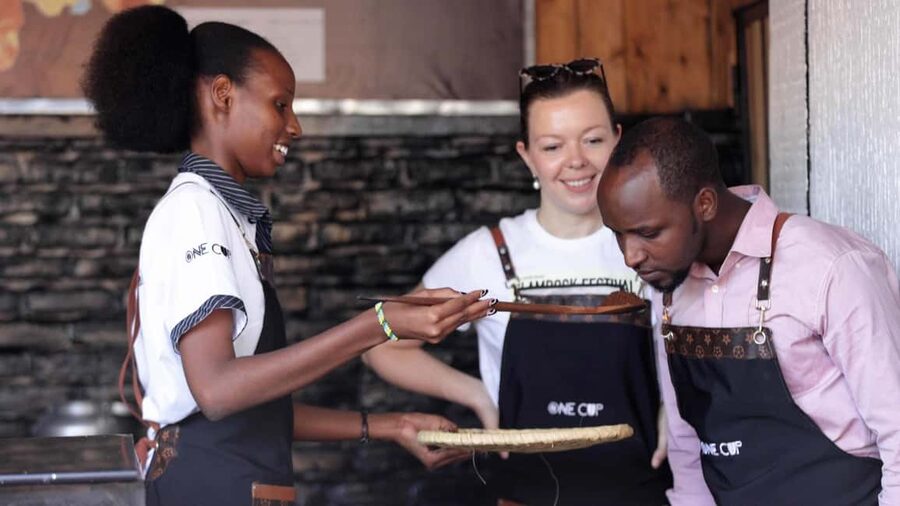
A common assumption is that a coffee experience must take place on a remote plantation. This one is tied to Kigali and meets at a city cultural center. That makes it easier to fit into a day in the capital, especially if you do not want to spend hours traveling outside the city.
The city setting also changes the mood. You get a window into how coffee, crafts, music, and community projects meet in an urban setting. You are not only seeing agricultural production in isolation. You are learning how a local organization presents culture and funds social work.
There is one practical caution. The activity description refers to a journey through coffee fields, while several detailed accounts describe a center-based session and one specifically notes that there was no drive to a coffee plantation. Another account includes picking fresh coffee beans. The exact format may depend on the date or booking. If rural scenery and farm access are your priority, confirm this before paying.
Is $50 a fair price?
The price is $50 per person. That is more than a simple café tasting, but the comparison is not quite fair. Your fee includes guided instruction, hands-on roasting with traditional and modern methods, coffee tasting, cultural information, and support for local businesses and community projects.
I consider the price reasonable if you take part fully. The value comes from the time with the guide and the work at each stage, not from the amount of coffee you drink. A quick demonstration followed by one cup would feel expensive at $50. A 150-minute to 3-hour session with active preparation, tasting, and cultural exchange offers a stronger return.
Transportation to the meeting point is not included, and personal expenses are extra. Plan for your own way to Umurishyo Arts Gallery and allow enough time to arrive ready to participate. Because the activity can last anywhere from 150 minutes to three hours, leave some space around it rather than scheduling a tight connection afterward.
The booking terms are friendly for uncertain plans. You can reserve now and pay later, and cancellation up to 24 hours before the activity allows a full refund. Starting times depend on availability.
Who will enjoy this most?
I would recommend this to coffee drinkers who want to understand the work behind their morning cup. You do not need specialist knowledge. Curiosity and a willingness to handle the beans matter more than tasting expertise.
It also suits anyone looking for a cultural activity in Kigali that goes beyond sightseeing. The music, games, crafts, stories, and local conversation can make the session useful even if you are not a serious coffee fan.
Families and groups may appreciate the active format, but the supplied information does not give a minimum age or specific child policy, so check before booking with young children. People with food allergies should not take part.
You may want to skip it if you want a long plantation tour, a specialist barista lesson, or a tightly controlled timetable. The session has a social and educational style, and the center-based format may be more prominent than the farm setting.
Practical ways to get more from the session
Arrive ready to participate. Wear something you do not mind using during roasting and pounding, and do not hesitate to ask to try each step. The best parts come when you move from watching to doing.
Ask your guide which stages use traditional methods and which use modern equipment. Ask about the coffee-growing communities, the purpose of the center, and how the social projects connect with the business. These questions help turn a pleasant activity into a more personal exchange.
If you are offered ginger coffee, try it. It provides a simple comparison and adds a local touch to the tasting. Take time to look at the crafts as well, especially if you want your spending to support the center beyond the ticket price.
Finally, keep your schedule open after the main session if you enjoy conversation. Some participants have stayed longer for games, football, cultural lessons, or additional time with the staff. None of these extras should be treated as guaranteed, but the relaxed setting makes them possible.
Should you book it?
Book this coffee experience if you want to make your own cup, meet local hosts, and connect coffee with Kigali’s cultural life. The patient instruction, traditional preparation, ginger coffee, and community purpose give it more substance than a standard tasting.
Before booking, confirm whether your departure includes coffee fields or fresh bean picking. If the answer is yes, you get a stronger farm-to-cup program. If it is center-based, you still receive a practical coffee workshop with music, crafts, stories, and local conversation.
At $50, I would call it good value for curious coffee drinkers and culturally minded visitors. I would not choose it for a plantation-only day or a professional roasting course. For an accessible Kigali activity with a human scale and a clear local benefit, it earns a place on your schedule.
FAQ
Where does the coffee experience meet?
The meeting point is Umurishyo Arts Gallery in Kigali Province, Rwanda.
How long does the activity last?
The experience lasts between 150 minutes and three hours. Starting times depend on availability.
What languages are offered?
Instruction is available in English, French, and Swahili.
Does the price include transportation?
No. Transportation to the meeting point is not included. Personal expenses are also not included.
Can I cancel the booking?
Yes. You can cancel up to 24 hours in advance for a full refund. You can also reserve now and pay later.
Who should not take part?
The activity is not suitable for people with food allergies.
Just added around Kigali
- Private Half-Day Guided Kigali City Tour with Coffee Break Included★ 5.0 · 6 reviews
- Vegan Fine Dining Experience★ 5.0 · 5 reviews
- Private Transfer from Kigali Airport (KGL) to Kigali★ 4.0 · 5 reviews
- 2 Days Mountain Gorilla Safari Rwanda★ 5.0 · 4 reviews
- 1 Day Akagera Wildlife Safaris Rwanda (2 Pax Min)★ 5.0 · 5 reviews
- Private Memorial Day Tour Ntarama and Nyamata★ 5.0 · 3 reviews
- From Kigali: 8 Hour Day-trip Lake Kivu Cruise Experience★ 4.5 · 3 reviews
- Ntarama and Nyamata Genocide Memorial Day Tour★ 4.5 · 3 reviews
Coffee Experiences, compared.

Full Day Shared Akagera Safari Tour with Lunch and Coffee
Read our review →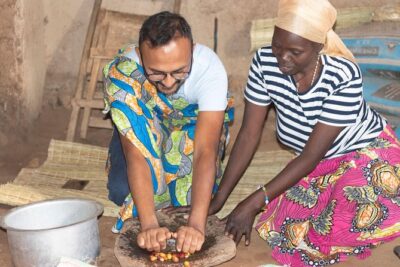

Local Community Tour(Cultural, Coffee,Village walk,Local food)
Read our review →

Private Half-Day Guided Kigali City Tour with Coffee Break Included
Read our review →Browse the lists this tour appears in