
Reviewed · LAKE KIVU TOURS
Tea and coffee tours
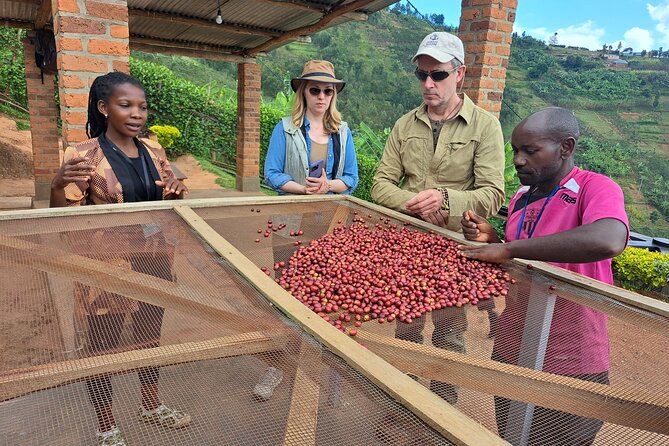
Coffee and tea make this three-hour farm visit more than a quick tasting stop. Near Gisenyi, Beyond the Gorillas Experience connects you with local production, from harvesting through processing and packaging, while Lake Kivu adds a beautiful setting to the day.
I like the small group limit of eight, which should make it easier to ask questions and follow the guide. I also like that lunch, bottled water, and pickup are offered, though private transportation is listed as not included, so you should confirm exactly how your pickup will work before booking.
The main drawback is that the published plan is light on detail. It names Rubavu and Lake Kivu, while the tea and coffee stops may vary, so ask whether your visit is going to a tea farm, Kinunu Coffee Washing Station, or both.
Key points to know
- Coffee production near Lake Kivu: Learn how Rwandan coffee moves from farm work to washing and preparation for sale.
- Tea process from harvest to packaging: The visit can show the full chain of tea production in a local setting.
- Small groups of up to eight: You get a better chance to hear the guide and ask questions.
- Three hours from an 8:00 am start: It fits neatly into a morning around Gisenyi.
- Lunch and bottled water included: Two useful extras, especially if you are out in the countryside.
- Pickup and transport need clarification: Pickup is offered, but private transportation is not included in the stated package.
Why a coffee or tea farm visit belongs in a Rwanda trip

Rwanda is often placed on an itinerary for gorilla trekking, volcanoes, and Lake Kivu. Those are major draws, but a farm visit gives you a different view of the country. Instead of only seeing Rwanda as a place of scenery and wildlife, you get a look at one of its working industries.
Coffee is consumed around the world, yet most coffee drinkers rarely see what happens before the beans reach a café. This visit helps close that gap. You can learn how local farms operate and how coffee moves through the early stages of production.
Tea offers a similar lesson. The experience can cover the process from harvesting to packaging, making it useful even if you are not a serious tea or coffee enthusiast. You are not simply being handed a drink. You are being shown the work behind it.
I would choose this activity if you want a morning with a clear local focus and a slower pace than a major sightseeing circuit. It also suits anyone who likes to understand how ordinary products connect to the places they visit.
More lake kivu tours in Lake Kivu:
- Lake Kivu Boat Trips & Experiences
★ 5.0 · 29 reviews - 1 day Trip to Lake kivu beach
★ 5.0 · 20 reviews - One-day Kivu Lake Adventure
★ 5.0 · 15 reviews
Starting in Rubavu at 8:00 am
The morning begins at 8:00 am in Rubavu, the Rwandan town commonly known as Gisenyi. The activity ends back at the meeting point, so you are not left arranging a second transfer from an unknown finish point.
That timing matters. A morning start leaves the rest of your day open for Lake Kivu, a town walk, or another scheduled activity. It also gives you a firm structure if you are staying in the Gisenyi area for only a short time.
Pickup is offered, but the transport wording deserves attention. Private transportation is listed as not included, so do not assume that a private car for the whole tour is part of the $80.70 price. Ask where pickup takes place, how the transfer is arranged, and whether any boat or vehicle cost is separate.
This is especially important if you are staying outside the main Rubavu meeting area. Clear arrangements before the morning start will save you from an awkward wait.
Lake Kivu gives the outing its setting
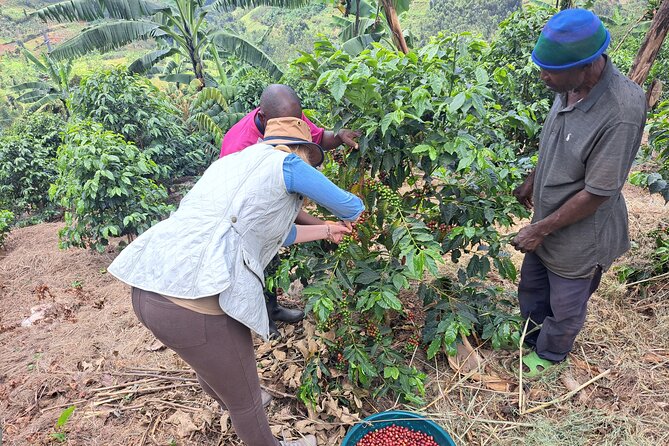
Lake Kivu is one of Africa’s Great Lakes and lies along the border between Rwanda and the Democratic Republic of the Congo. It is part of the Albertine Rift, the western branch of the East African Rift, and its water flows into the Ruzizi River before reaching Lake Tanganyika.
That geography adds useful context to the tour. You are not visiting a farm in isolation. The coffee and tea experience takes place in a part of Rwanda shaped by a major lake, a border region, and a distinctive natural setting.
The plan specifically identifies Lake Kivu as the stop, but it does not spell out whether you will have a sightseeing pause, a lakeside explanation, or simply pass through the area on the way to the agricultural site. I would not book this expecting a full lake cruise unless the operator confirms one.
Still, Lake Kivu helps make the outing feel connected to place. The lake is part of the reason Gisenyi is a popular base, and it gives the morning more context than a stand-alone factory visit.
Seeing tea from harvest to packaging
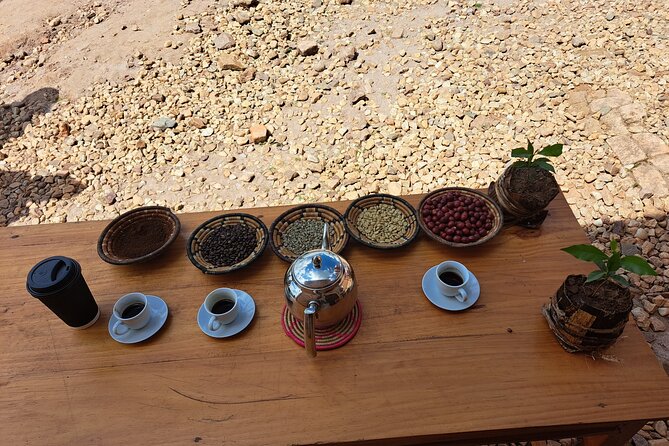
The tea portion is the clearest example of how this activity can move beyond a simple tasting. You can learn about the steps between picking tea leaves and preparing the finished product for packaging.
That sequence matters because it turns an everyday drink into a practical lesson. You can see how much handling, timing, and local work sit behind a packet of tea. The guide’s role is important here, since the value comes from explanation as much as from what you see.
The available information does not name the tea farm or provide a fixed list of demonstrations. You might find that the exact work on display depends on the day’s farm activity. That is normal for a working agricultural visit, but it also means you should keep expectations flexible.
I like this part for families and curious first-time visitors. It gives children a clear story to follow, from the plant to the package. It also works well for anyone who wants an introduction without committing to a full-day agricultural program.
A few more Lake Kivu trips to weigh up
- 1-Day Lake Kivu Karongi Boat Cruise & Coffee farming with Lunch
★ 4.5 · 3 reviews - Kigali: Traditional Coffee Experience ( Bean to Brew)
★ 4.8 · 54 reviews - Specialty Coffee Masterclass
★ 5.0 · 33 reviews - Women-led Coffee Farm Trek
★ 5.0 · 19 reviews
Visiting Kinunu Coffee Washing Station
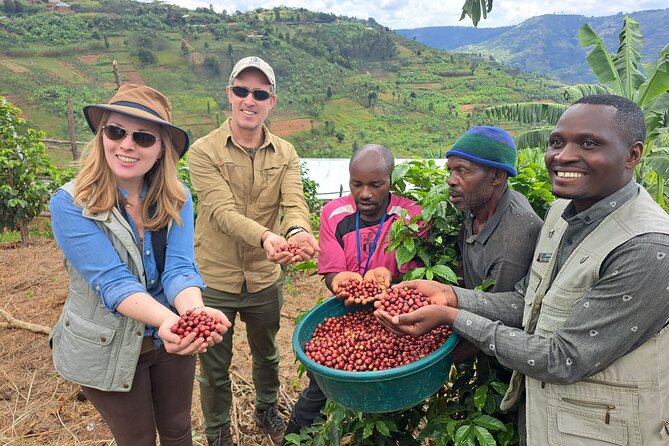
One of the most specific places connected with the coffee side is Kinunu Coffee Washing Station. A visit here can show you how coffee cherries are handled after they leave the farm, before the beans become the roasted coffee you know.
A washing station is not the same thing as a coffee plantation. That distinction is useful. The farm is where coffee is grown and harvested, while the washing station handles important post-harvest work. Seeing the two ideas together gives you a better sense of the full coffee chain.
The available account of this visit describes a boat pickup from a lodge in Kigufi, in the Gisenyi area, followed by a pleasant trip to Kinunu and a guided tour. That suggests that some departures may include travel across Lake Kivu, but the general tour information does not guarantee a boat transfer for every booking.
Confirm this point directly. If a boat is included in your version of the tour, the journey itself could be a memorable part of the morning. If not, Kinunu can still be the main educational stop, but your transport plan will be different.
The coffee visit appears especially suitable for people who want more than a plantation photo. You can ask how local coffee is collected, washed, and prepared. The emphasis is on the working process, not just the final cup.
What the guides add to the visit
A farm or washing station can be interesting, but a good guide makes the difference between looking around and understanding what you are seeing. Here, the guide is expected to explain the production steps and connect them to local farming.
The available feedback highlights guides who were kind, patient, and passionate. Those qualities matter in a hands-on setting. Patience gives you time to ask basic questions, while enthusiasm can make technical stages easier to follow.
No guide names are provided, so I cannot point you to a particular person. When you arrive, ask the guide to explain the full route of the product, not only the part in front of you. For coffee, that might mean asking where harvesting ends and washing begins. For tea, ask how the leaves move from picking to packaging.
The small group size helps here. With no more than eight people, you should have a better chance to hear the answers and stay close to the action. A larger group could make a farm explanation feel distant, while this format should remain fairly personal.
Lunch and bottled water included
Bottled water is a practical inclusion, not a luxury. A farm visit may involve time outdoors, and having water provided means one less item to arrange before leaving Gisenyi.
Lunch is also included. The details of the meal are not specified, so you should not book this expecting a particular menu or dietary arrangement. If you have food restrictions, ask Beyond the Gorillas Experience before departure.
The meal adds value to the price because it removes one expense from a morning outing. It also gives the schedule a natural pause, though the exact location and timing are not stated.
I would still have a small snack with you if you need food at a particular hour. The start is early, and the tour lasts about three hours, but the supplied details do not say precisely when lunch is served.
Is $80.70 good value?
At $80.70 per person, this is not a cheap local stop. The price makes more sense if you value the guide, a small group, lunch, water, and the chance to reach a working coffee or tea site rather than simply visiting a café.
The group cap is important in judging the cost. A maximum of eight people gives the activity a more personal shape than a large coach excursion. You are paying partly for access and explanation, not just for a view.
The value is harder to judge if private transportation is needed as an extra. Pickup is offered, but private transportation is not included, and the exact transfer arrangement is not explained. Confirm the total cost before you commit, especially if you need a dedicated vehicle or a boat connection.
For a visitor already based in Gisenyi, the activity may be worthwhile because it fills a morning with a focused local experience. For someone mainly seeking a cheap coffee tasting, it may feel expensive.
Who should book this experience?
I would recommend it to you if you enjoy seeing how local products are made. It is a good fit for curious couples, families, small groups of friends, and visitors who want a cultural activity between larger Rwanda excursions.
It is also a sensible choice if you are staying near Lake Kivu and want a three-hour outing rather than a full-day commitment. The 8:00 am start and return to the meeting point keep the schedule manageable.
Tea drinkers may prefer the farm visit because the process from harvest to packaging is clearly part of the experience. Coffee fans should ask for Kinunu Coffee Washing Station if that is the side of the tour they most want to see.
I would hesitate if your main goal is a guaranteed boat trip, a detailed tasting menu, or a fixed multi-stop itinerary. Those details are not promised in the information provided.
Booking, weather, and cancellation details
Confirmation is provided when you book, and most people can participate. The activity accepts a maximum of eight participants, so a small group is part of the planned format.
The tour requires good weather. If poor weather causes cancellation, you will be offered another date or a full refund. That policy is useful in a lake region where conditions can affect outdoor and boat-related plans.
You can cancel for a full refund if you do so at least 24 hours before the 8:00 am start time. Cancellations made within 24 hours are not refunded, and changes during that period are not accepted. The cut-off follows local time.
Should you book the Gisenyi tea and coffee tour?
Book it if you want a small-group look at local production, especially if tea or coffee is more interesting to you than another standard sightseeing stop. The combination of farm work, Lake Kivu surroundings, lunch, and a three-hour schedule gives you a useful slice of daily economic life in the region.
Before paying, ask three practical questions: Is your booking focused on tea, coffee, or both? Will transport be by road or boat, and is it included? Where exactly will pickup take place?
If the answers fit your plan, $80.70 can be fair value for a guided morning with food and a group of no more than eight. If you want a guaranteed Kinunu visit or a lake boat ride, get that confirmed first. The strongest reason to book is the chance to understand the work behind Rwanda’s tea and coffee, not simply to take a scenic ride.
FAQ
Where does the tour start?
The tour starts in Rubavu, Rwanda, at 8:00 am.
Where does the tour end?
The activity ends back at the meeting point.
How long does the experience last?
The tour lasts approximately three hours.
How much does the tour cost?
The listed price is $80.70 per person.
Is pickup available?
Yes, pickup is offered. Private transportation is listed as not included, so confirm the exact pickup and transport arrangements before booking.
Is lunch included?
Yes, lunch is included.
Is bottled water included?
Yes, bottled water is included.
How many people can join?
The tour has a maximum of eight travelers.
What is the cancellation policy?
You can cancel at least 24 hours before the start time for a full refund. Cancellations or changes made less than 24 hours before the start are not accepted or refunded. If poor weather causes the activity to be canceled, you will be offered another date or a full refund.
Just added around Lake Kivu
- Boat cruise in Twin lakes and Lake Kivu★ 5.0 · 3 reviews
- From Kigali: 8 Hour Day-trip Lake Kivu Cruise Experience★ 4.5 · 3 reviews
- 5 Day Rwanda gorilla and Lake Kivu Safari★ 5.0 · 3 reviews
- 1-Day Lake Kivu Karongi Boat Cruise & Coffee farming with Lunch★ 4.5 · 3 reviews
- One day Kivu Lake & Gisenyi Adventures★ 5.0 · 3 reviews
- Gisenyi city tour★ 4.0 · 4 reviews
- The Congo Nil Trail Hiking (Gisenyi-Kibuye)★ 5.0 · 3 reviews
- Three-day Nyungwe Canopy and Kivu Lake Adventure★ 5.0 · 5 reviews
Lake Kivu Tours, compared.



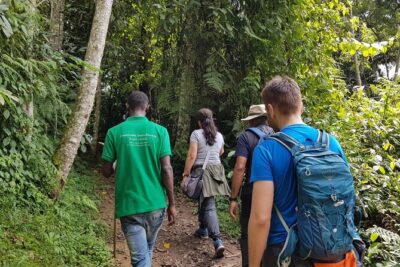
Three-day Nyungwe Canopy and Kivu Lake Adventure
Read our review →Browse the lists this tour appears in