
Reviewed · COFFEE EXPERIENCES
Specialty Coffee Masterclass
Rwanda’s coffee story fits neatly into a two-hour class at Question Coffee Gishushu. You’ll hear how coffee is grown, pick cherries from trees in the garden, taste several coffees from across the country, and make a blend based on your own palate. It is a hands-on look at the cup in front of you, not just another café tasting.
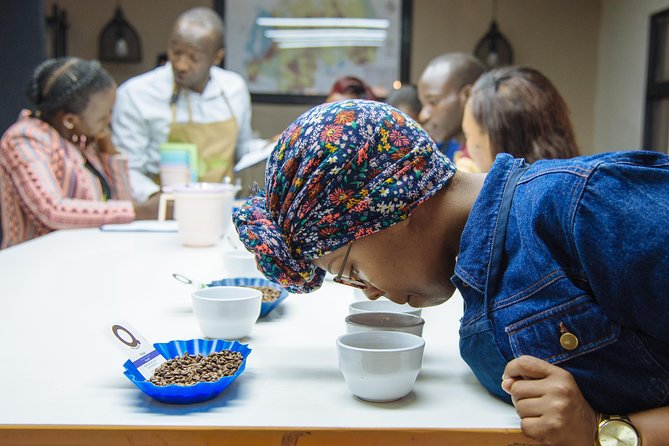
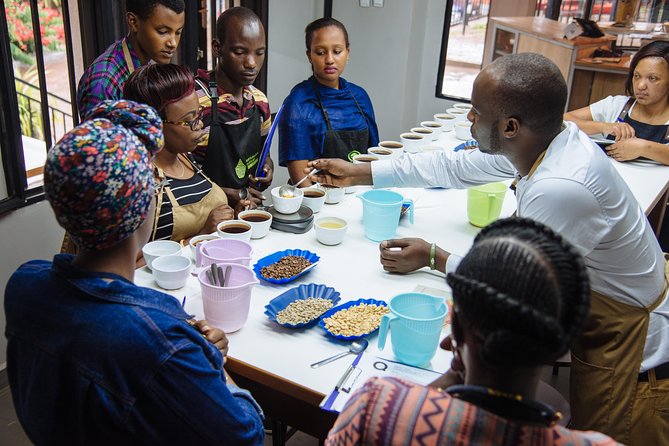
I especially like the small group of up to 12 people, which gives the class a friendly, personal feel. I also like the tasting method: you assess aroma, flavor, aftertaste, acidity, and mouthfeel instead of simply deciding which cup tastes nice. The main consideration is simple: this is a coffee class, not a broad Kigali sightseeing tour, so it suits curious coffee drinkers more than visitors looking for a full-day city activity.
Key points to know before booking
- Pick coffee cherries in the garden: You get a direct look at the fruit before it becomes a roasted bean.
- Taste five Rwandan coffees: The class lets you compare coffee from different growing areas and note how each cup differs.
- Build a personal blend: You leave with a bag made from the beans you liked best.
- Meet local coffee experts: Instructors such as Patrice, Keziah, and Patty explain farming, production, tasting, and brewing in clear English.
- Limited to 12 people: The group size makes it easier to ask questions and take part in the tasting.
- Plan for about two hours: The class begins and ends at Question Coffee Gishushu in Kigali.
Starting at Question Coffee Gishushu in Kigali
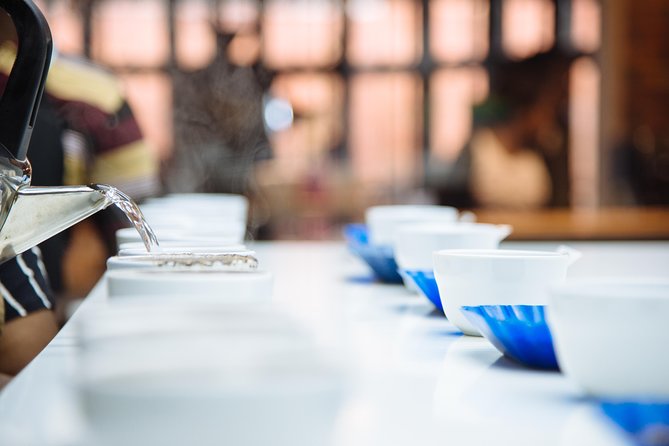
The class begins at Question Coffee Gishushu, at 8 KG 8 Avenue in Kigali. That gives you a fixed, easy-to-understand meeting point rather than a complicated series of pickups. The activity also sits near public transportation, which helps if you are getting around Kigali without a private car.
You should allow about two hours for the full experience. The class ends back at the same meeting point, so you will not need to arrange a separate return transfer or work out where the final tasting takes place.
The setting matters. Coffee can feel abstract when you only see a finished cappuccino. Here, the lesson starts close to the café, but it reaches back to the plant itself. That short walk from cup to cherry gives the session its purpose.
The class is limited to 12 people. I consider that a useful limit for a tasting because you can hear the instructor, handle the coffee, and ask questions without trying to compete with a large crowd. It also makes this a good choice for a couple, a small group of friends, or a solo visitor who enjoys meeting people through food and drink.
A few more Kigali trips to weigh up
- Kigali: Traditional Coffee Experience ( Bean to Brew)
★ 4.8 · 54 reviews - Women-led Coffee Farm Trek
★ 5.0 · 19 reviews - Full Day Shared Akagera Safari Tour with Lunch and Coffee
★ 5.0 · 15 reviews
From coffee history to the Rwandan cup
The first part is a short introduction to coffee history and production. You will learn how coffee became part of Rwanda’s agricultural and economic story, then move toward the practical question of how a coffee plant becomes something you can drink.
The class does not attempt to cover every chapter of coffee culture around the world. That is a benefit here. You get a focused introduction to Rwanda and its growing areas, with enough background to make the later tasting more meaningful.
I like this order. If you begin with a row of cups and no context, the differences can blur together. Once you understand that coffee comes from a fruit and that growing conditions and processing affect the final drink, you have a better reason to pay attention to the smell, acidity, body, and aftertaste.
The instructors also make the material accessible for people who are not coffee professionals. Patrice is described as easygoing and comfortable speaking English, while Keziah and Patty are noted for making the class clear, fun, and informative. Since instructors can vary, you should treat those names as examples rather than a guarantee of who will lead your session.
Picking cherries from the garden trees
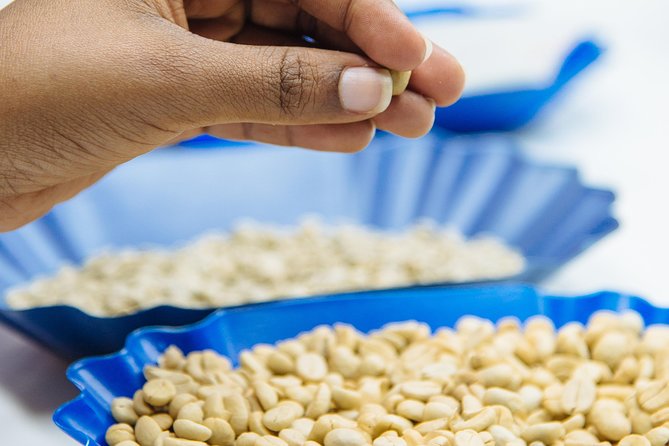
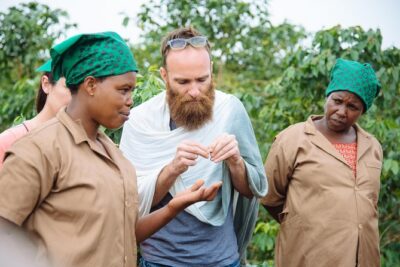
The most memorable hands-on step is picking coffee cherries from the trees on the grounds. This is a small activity, but it changes your view of coffee. You see that the bean begins inside a piece of fruit, not in a paper bag or a café grinder.
You will not be spending the day on a working farm, and the garden cannot show every stage of commercial production. Still, it gives you a useful physical connection to the crop. You can look at the cherries, handle them, and understand the starting point before the class returns to tasting and preparation.
This part works especially well for first-time visitors to Rwanda. You may have heard that Rwandan coffee is highly regarded, but picking the fruit helps make the phrase more real. It also gives children and non-coffee drinkers something concrete to do, though the class is still built around tasting coffee.
A practical note: the supplied information does not promise a full harvest or a particular quantity of cherries. Think of this as a short demonstration and participation activity, not a farm-work session.
Tasting five coffees by aroma, acidity, and mouthfeel
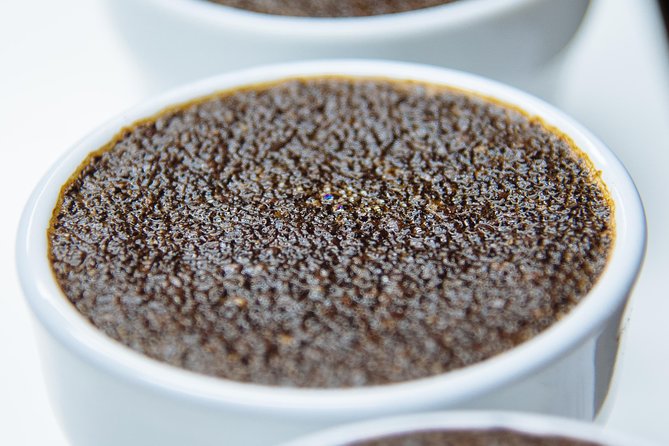
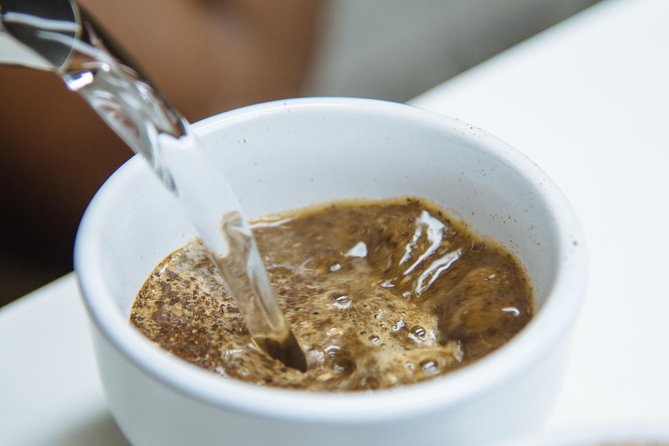
The tasting is the heart of the class. You will sample roughly four or five Rwandan coffees, with one detailed account describing five different coffees. The exact lineup may vary, but the aim is comparison.
You are guided to judge each cup by several traits:
- Aroma: What you notice before and as you drink.
- Flavor: The main tastes and character of the coffee.
- Aftertaste: What remains after you swallow.
- Acidity: The bright, lively quality that can make a coffee feel crisp.
- Mouthfeel: How the coffee feels in your mouth, from light to fuller-bodied.
This approach is more useful than a simple favorite vote. You may discover that you like a coffee for its smell but prefer another for its finish. You may also find that a coffee you first consider too sharp has a pleasant brightness once you know what to look for.
You do not need a trained palate to take part. The point is not to give the perfect answer. The point is to notice your own preferences and put words to them. I like that the class gives you a framework without turning the experience into an exam.
The tasting also introduces the range of coffee grown in Rwanda. Coffee from different parts of the country can show different qualities, and comparing cups side by side makes those differences easier to notice. The class does not promise a complete survey of every growing region, but it offers a useful introduction in a short period.
If you normally take coffee with milk or sugar, this is a chance to taste it more directly. At the same time, you should not expect the class to focus on every café drink or brewing style. The emphasis is on coffee character and the path from crop to cup.
Same hills, a completely different day out:
- Kigali City Tour
★ 5.0 · 452 reviews - Kigali: Walking Tour with a Local Guide
★ 4.9 · 234 reviews - One-day Akagera National Park Game Drive with a Choice 4×4
★ 5.0 · 105 reviews - Private Full-day Kigali City Tour with Pickup and Lunch
★ 5.0 · 79 reviews
Making a blend that matches your taste
After tasting, you create a custom blend using the coffees you enjoyed most. This is where the class becomes personal. Instead of ending with information and an empty cup, you make a choice based on what you noticed.
You may favor a coffee with a pleasant aroma, a bright acidity, or a smooth mouthfeel. The blend gives you a way to combine those preferences, though the exact blending process and final proportions are not specified.
You also receive a bag of coffee to take home. That is a worthwhile part of the price because the experience continues after you leave Kigali. You can brew the blend later and see if your home cup brings back the differences you noticed in class.
I would treat the take-home coffee as a souvenir with a purpose. It is more useful than a generic keepsake, and it gives you a chance to share a piece of Rwanda with someone who did not attend. If you have room in your luggage, it is an easy addition to your trip.
What the $50 price includes in practical terms
The cost is $50 per person. That is not the price of an ordinary cup of coffee, so the value depends on how much you want from the experience.
You are paying for a guided class, a history and production lesson, access to coffee trees, several tastings, help with sensory evaluation, a custom blend, and a bag of coffee to take home. The small group also matters. A large commercial tasting could cost less, but it would not necessarily give you the same chance to ask questions or take part in each stage.
I see the price as fair for a visitor who already enjoys coffee or wants a clear introduction to Rwandan coffee. It is less convincing for someone who does not drink coffee and has no interest in farming, tasting, or production.
The best value comes when you use the class actively. Smell each cup before drinking. Write down what you like. Ask why one coffee feels brighter than another. The more attention you give the tasting, the more you get from the fee.
Who will enjoy this Kigali experience most
I would recommend the class first to coffee lovers, food-focused visitors, and anyone who likes learning through simple hands-on activities. It also suits a rainy-day plan or a morning when you want something more focused than sightseeing.
The session can work well for friends because you can compare notes and argue, politely, about the best cup. It is also suitable for solo visitors, since the group format gives you a natural way to meet people without committing to a full-day tour.
Families should consider the ages and interests of their children. Picking cherries may hold a young visitor’s attention, but the tasting vocabulary and coffee comparisons are aimed at adults and older children. The supplied details do not state a minimum age.
You should skip it if you want a broad tour of Kigali, a visit to several farms, or a long outdoor excursion. The activity stays at or returns to the Question Coffee meeting point and lasts about two hours.
Health rules, booking, and cancellation
Confirmation is sent within 48 hours of booking, subject to availability. Since the experience is often reserved about 14 days ahead, booking early makes sense if your Kigali dates are fixed.
At the time described, negative COVID-19 test results and masks are required. Check the current requirements before you book, since health rules can change.
You can cancel for a full refund if you do so at least 24 hours before the local start time. Cancellations or changes made less than 24 hours before the start are not accepted for a refund.
The ticket is mobile, so you can keep the booking on your phone. The activity begins and ends at Question Coffee Gishushu, and public transportation is nearby.
Is the Specialty Coffee Masterclass worth booking?
I would book this class if you want to understand what makes Rwandan coffee different and prefer learning by doing. The strongest parts are the cherry picking, the structured tasting of several coffees, and the custom blend you take home.
The $50 price makes the most sense when you value the instruction and small group, not just the drinks. You are buying a compact food-and-culture experience with a useful souvenir, rather than a quick café stop.
My practical advice is to reserve it early, arrive ready to taste coffee without distractions, and pay attention to the traits you enjoy. If you want a short, local experience that connects a Kigali café to Rwanda’s coffee growers, this is a solid choice.
FAQ
Where does the Specialty Coffee Masterclass begin?
The class begins at Question Coffee Gishushu, 8 KG 8 Avenue, Kigali, Rwanda.
How long does the coffee class last?
The experience lasts approximately two hours.
Does the activity end at the meeting point?
Yes. The activity ends back at Question Coffee Gishushu.
How many people can join the class?
The activity has a maximum of 12 people.
What will I taste during the class?
You will taste several coffees from around Rwanda, generally about four or five, and assess qualities such as aroma, flavor, aftertaste, acidity, and mouthfeel.
Can I cancel for a full refund?
Yes. You must cancel at least 24 hours before the experience start time for a full refund. Changes or cancellations made less than 24 hours before the start are not accepted for a refund.
Just added around Kigali
- Rwandan and Syrian Food Tour★ 5.0 · 4 reviews
- Three-day Nyungwe Canopy and Kivu Lake Adventure★ 5.0 · 5 reviews
- One Day Golden Monkey and Cultural tour★ 4.0 · 7 reviews
- 1 Day Canopy walk way in Nyungwe Natioinal park★ 5.0 · 6 reviews
- Walking Food Tour in Remera and Kigali★ 5.0 · 4 reviews
- Kigali: Horse Riding Trail in Mount Kigali★ 4.9 · 13 reviews
- 3 Day Rwanda to Uganda gorilla trekking Safari★ 5.0 · 5 reviews
- 3 Days Private Bwindi Gorillas and Volcanoes Golden Monkey Trek★ 5.0 · 4 reviews
Coffee Experiences, compared.


Full Day Shared Akagera Safari Tour with Lunch and Coffee
Read our review →

Local Community Tour(Cultural, Coffee,Village walk,Local food)
Read our review →Browse the lists this tour appears in