
Reviewed · COFFEE EXPERIENCES
Women-led Coffee Farm Trek
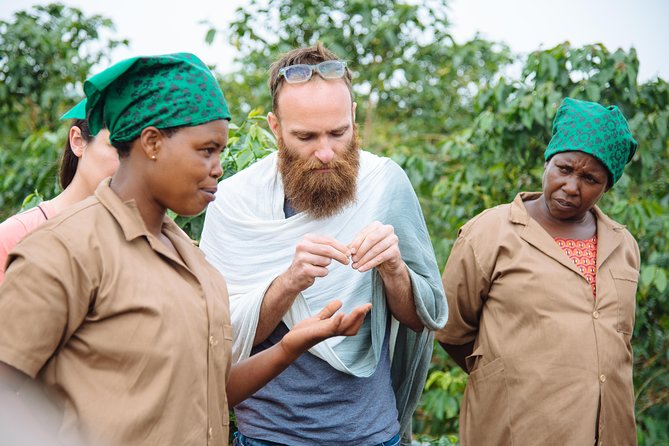
Rwanda’s coffee story comes alive at a women-run farm where you see the work behind each cup, from cultivation and washing to roasting and preparation. The welcome is lively, with song, dance, laughter, and a cup of coffee or tea before the farm visit begins. Guide Patty is known for joining in and helping visitors feel at ease.
I like the small group limit of 15 people, which gives the day a friendly, personal feel. I also like that your $150 includes lunch and a visit to the Women’s Opportunity Center, so this is more than a tasting stop. The main drawback is the long, eight-hour time commitment, and the rural setting means the day depends on good weather.
Key points to know before booking
- Women-led coffee production: Meet female farmers and see how their work supports coffee cultivation, processing, and local opportunity.
- A full coffee journey: Learn about harvesting, washing, preparation, and roasting rather than simply sampling a finished drink.
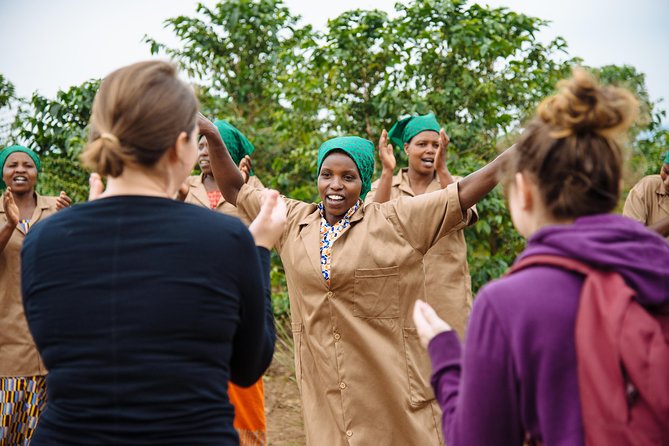
- Warm cultural welcome: Expect songs, dancing, laughter, and an invitation to join in when you arrive.
- Lunch at Urugo Eco-Lodge: The meal is included during a one-hour stop at the lodge within the Women’s Opportunity Center.
- Small-group format: No more than 15 people take part, a useful size for questions and personal contact.
- Kigali start and finish: Meet at Question Coffee Gishushu at 8:00 a.m. and return to that same meeting point.
Why this coffee outing feels different
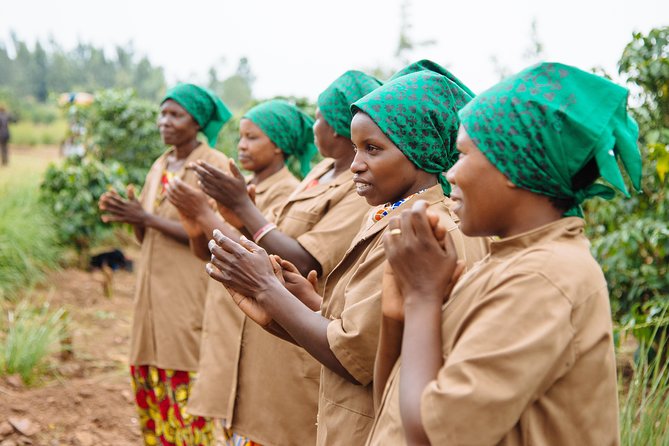
Many coffee activities stop at the cup. This one asks you to look at the people and labor behind it, with women farmers at the center of the experience. That focus gives the day a clear purpose without taking away from the simple pleasure of learning how coffee is made.
You begin at Question Coffee Gishushu in Kigali at 8:00 a.m. From there, the outing takes you toward a coffee cooperative near Akagera National Park. The exact travel details are not specified, so plan this as a full-day commitment rather than a quick morning stop.
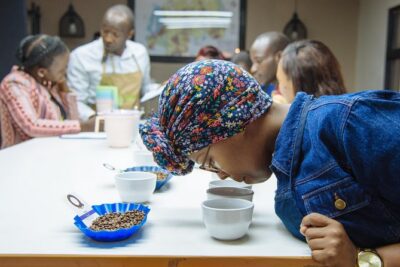
The day is designed to connect several parts of Rwandan coffee production. You can expect an introduction to cultivation, a look at harvesting and washing, and explanations of how beans are prepared and roasted. That broad sequence matters because the flavor in your cup is shaped long before roasting.
I like this approach for two reasons. First, you see coffee as farm work, not just a lifestyle product. Second, you get a clearer idea of why Rwanda is known for delicate coffee flavors. The outing gives context to what you taste instead of asking you to judge the coffee with no background.
Other Kigali days people book alongside this one:
- Kigali City Tour
★ 5.0 · 452 reviews - Kigali: Walking Tour with a Local Guide
★ 4.9 · 234 reviews - One-day Akagera National Park Game Drive with a Choice 4×4
★ 5.0 · 105 reviews
Meeting the farmers with Patty
The welcome is one of the most memorable parts of the day. You may be greeted with song, dancing, and plenty of laughter. You are encouraged to take part, so this is not a stand-back-and-watch kind of visit.
That makes the first moments feel personal, but it also means you should be ready to respond in the spirit of the welcome. If you prefer a quiet, formal presentation, this may feel more energetic than expected. If you enjoy meeting people through music and shared activity, it sets a generous tone for the rest of the day.
Patty is the guide name associated with this experience. She is described as taking part in every aspect of the outing and helping visitors feel comfortable. That is useful on a day with several moving parts, especially when the experience includes both farm instruction and cultural exchange.
A good guide matters here because the coffee process can sound technical when explained too quickly. You want someone who can connect the practical steps to the final drink. Patty’s role appears to include both answering questions and helping the group join the welcome rather than standing apart from it.
From coffee plant to prepared bean
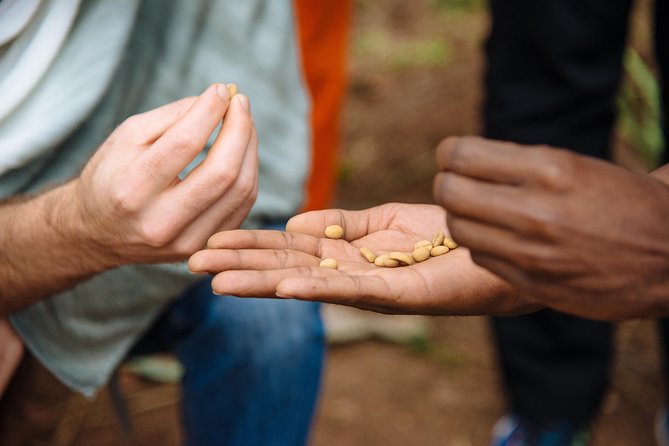
The strongest part of the experience is its attention to the full production chain. You learn about cultivation first, then see how beans are harvested, washed, prepared, and roasted. Each stage gives you another reason to pay attention to what ends up in your cup.
Cultivation helps explain the work that happens before harvest. The washing and preparation stages show how farm labor continues after the beans are picked. Roasting then brings you closer to the familiar smell and flavor that most people associate with coffee.
The supplied details do not specify the exact equipment, length of each demonstration, or how much hands-on work is offered. Keep that in mind if you are looking for a technical roasting class. This is best understood as an educational farm visit with demonstrations and explanations, not a guaranteed barista workshop.
Still, the range of topics gives the day real substance. You are not simply driven to a scenic farm, handed a drink, and sent on your way. You get a fuller picture of how coffee moves from agriculture to breakfast table.
You may also start the morning with coffee or tea, according to the experience description from past participants. That small touch helps set the subject of the day before you reach the cooperative. It also gives you an early chance to compare a prepared drink with what you later learn about its origins.
The women’s cooperative and its wider purpose
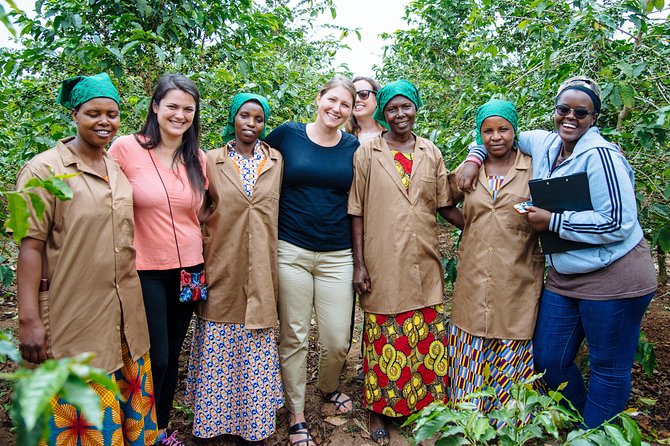
The women-led focus is not a decorative theme added to a standard farm visit. It is central to why this outing matters. You see coffee production through the work of female farmers and learn how a cooperative can connect agriculture with economic growth and opportunity.
The experience also brings you to the Women’s Opportunity Center. This adds another layer to the day, since the center includes handicrafts and other work beyond coffee. You can look at locally made items and see how the visit supports a wider set of skills and income-producing activities.
I find this combination more useful than a coffee stop alone. Coffee explains one part of the local economy. The center helps you see how women’s work can extend into crafts and community opportunity. Together, the two visits give the day a human focus.
The center is also a practical place to browse handicrafts. The supplied information does not identify the exact items, prices, or payment methods, so do not plan a specific purchase in advance. Go with an open mind and treat the stop as a chance to learn what the women produce.
A few more Kigali trips to weigh up
- Mount Kigali Hike and Zipline Adventure Tour(Pick up &drop off)
★ 5.0 · 37 reviews - 3 Day Gorilla Trek at Bwindi National Park via Kigali
★ 5.0 · 32 reviews - 1 Day Rwanda Gorilla Trekking Tour In The Volcanoes National Park
★ 5.0 · 31 reviews - 2 Day Gorilla Trekking Safari in Uganda via Kigali
★ 5.0 · 26 reviews
Lunch at Urugo Eco-Lodge
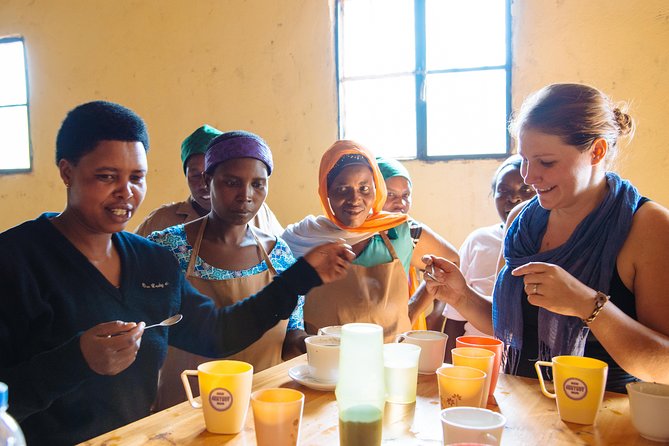
Lunch is provided at Urugo Eco-Lodge at the Women’s Opportunity Center, with about one hour set aside for the stop. That included meal helps justify the price, since you are not left to arrange food during an eight-hour outing.
A meal break also gives the day a needed pause. Farm visits can involve a lot of information, and a seated lunch lets you regroup before returning to the program. You may find this especially helpful if you prefer a measured pace over a string of short photo stops.
The details do not state the menu, dietary options, or whether drinks beyond the initial coffee or tea are included. If you have food restrictions, raise them when booking or after confirmation rather than assuming the meal can be changed.
The lodge stop is about more than convenience. It places lunch within the same setting as the Women’s Opportunity Center, tying the meal to the people and work you have come to see. That makes the pause feel like part of the visit rather than an unrelated restaurant break.
Is $150 a fair price?
At $150 per person, this is not a low-cost Kigali excursion. The value depends on what you want from a day outside the city. If you want a simple coffee tasting, you can likely find less expensive options. If you want a full-day experience with farm education, lunch, a women-led cooperative, and the Women’s Opportunity Center, the price is easier to defend.
You are paying for more than the drink itself. The day includes a guide, access to a working coffee setting, an organized visit to the cooperative, lunch, and a small-group limit of 15 people. It also supports an experience built around women farmers and local handicrafts.
The group size is important to the value calculation. A 15-person maximum is not private, but it is small enough to keep the visit from feeling like a large bus outing. You should have a better chance to hear explanations and ask questions than you would in a much bigger group.
The day is also recommended for people who want context. You learn why production methods matter and how coffee connects with economic opportunity. That makes the outing worthwhile for someone who is curious about farming, fair opportunity, or local enterprise, not only for serious coffee fans.
Time, weather, and practical planning
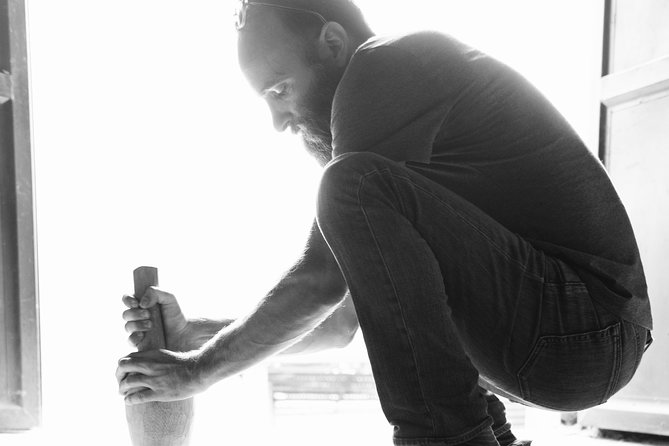
The activity lasts about eight hours and begins at 8:00 a.m. You finish back at Question Coffee Gishushu in Kigali, so the start and end point are clear. Allow the whole day, and avoid booking another fixed activity too close to the expected return.
The experience requires good weather. If poor weather causes cancellation, you are offered another date or a full refund. That policy is reassuring, but it also means you should keep your schedule flexible if the forecast looks uncertain.
Confirmation is sent within 48 hours of booking, subject to availability. Since the experience is booked an average of 27 days ahead, I would not leave it until the last minute if this is important to your Rwanda plans.
A mobile ticket is available, which keeps the booking simple. Service animals are allowed, and most people can participate. The listed health rules require a negative COVID-19 test result and a mask, so check the current instructions tied to your booking before setting out.
The supplied details do not spell out transport arrangements between Kigali and the coffee cooperative. Confirm what is included and where the vehicle meets you if that matters to your planning. The published meeting point is Question Coffee Gishushu, 8 KG 8 Ave, Kigali, Rwanda.
Who will enjoy this most
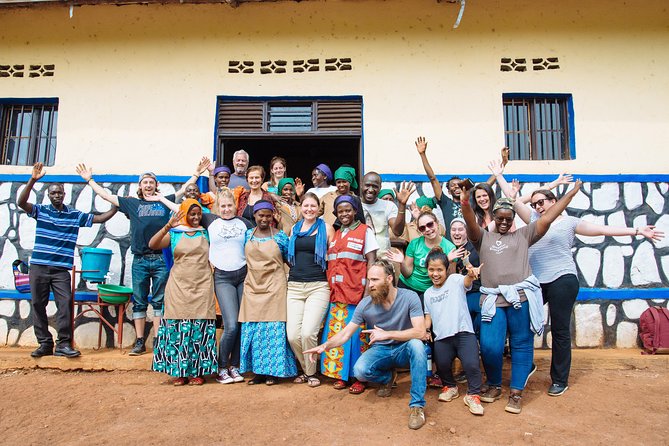
I would recommend this outing to you if coffee is part of how you understand a place. You do not need to be an expert. Curiosity is enough, since the day covers basic production steps and lets you connect those steps to a finished drink.
It also suits anyone interested in women-led business and local economic opportunity. The coffee farm and Women’s Opportunity Center give you two related views of work, one agricultural and one based around handicrafts and community activity.
The small-group format works well for couples, friends, and colleagues. A group of coworkers used the experience during a Kigali work trip, and the format can make a good shared day away from conference rooms. Group discounts are available, which may make it more attractive for an organized party.
Families and older visitors may also find it suitable because most people can participate, but the full eight hours should guide your decision. The available information does not describe walking distances or physical demands, so ask for details if mobility is a concern.
I would hesitate to recommend it if you have only a short stay in Kigali and want to cover several major sights in one day. You will spend most of the day on this one theme. That is a strength for coffee and community focus, but a poor fit for a packed sightseeing schedule.
What I would want to know before paying
I would ask three practical questions before booking. First, confirm the transport arrangement for the trip out from Kigali and back. Second, share any dietary needs for the included lunch. Third, check the health requirements and weather outlook close to departure.
I would also ask how much time is spent at each coffee-production stage. The experience promises a broad look at harvesting, washing, roasting, and preparation, but the exact balance is not stated. If roasting is your main interest, that answer may affect your choice.
Finally, remember that the visit has a social side. Song, dancing, and direct interaction with the women farmers are part of the welcome. You should book this because you want that human exchange, not because you want a silent, highly technical factory tour.
Should you book the Women-led Coffee Farm Trek?
You should book it if you want a thoughtful full-day outing that links Rwandan coffee with women’s work, local enterprise, and handicrafts. The strongest reasons are the small group, the full bean-to-cup explanation, the included lunch, and the warm welcome led by the farming community.
At $150, it is best value for someone who wants an organized experience with a clear social purpose. I would skip it if you want only a quick tasting, need a very exact schedule, or have no spare day outside Kigali.
For most coffee fans and visitors who want a closer look at everyday economic life in Rwanda, this is an easy activity to consider. Book ahead, allow the full eight hours, and come ready to join the song and dance rather than watch from the edge.
FAQ
Where does the Women-led Coffee Farm Trek begin?
It begins at Question Coffee Gishushu, 8 KG 8 Ave, Kigali, Rwanda.
What time does the experience start?
The scheduled start time is 8:00 a.m.
Where does the activity end?
The experience ends back at the meeting point at Question Coffee Gishushu.
How long does the activity last?
The experience lasts approximately eight hours.
Is lunch included?
Yes. Lunch is provided during a one-hour stop at Urugo Eco-Lodge at the Women’s Opportunity Center.
How many people can join the group?
The activity has a maximum of 15 travelers, and group discounts are available.
More Coffee Experiences in Kigali
- Kigali: Traditional Coffee Experience ( Bean to Brew)
★ 4.8 · 54 reviews - Specialty Coffee Masterclass
★ 5.0 · 33 reviews - Full Day Shared Akagera Safari Tour with Lunch and Coffee
★ 5.0 · 15 reviews - Rwandan Coffee Experience
★ 5.0 · 10 reviews
Just added around Kigali
- Kigali: Horse Riding Trail in Mount Kigali★ 4.9 · 13 reviews
- Rwandan and Syrian Food Tour★ 5.0 · 4 reviews
- Three-day Nyungwe Canopy and Kivu Lake Adventure★ 5.0 · 5 reviews
- One Day Golden Monkey and Cultural tour★ 4.0 · 7 reviews
- 1 Day Canopy walk way in Nyungwe Natioinal park★ 5.0 · 6 reviews
- Walking Food Tour in Remera and Kigali★ 5.0 · 4 reviews
- 3 Day Rwanda to Uganda gorilla trekking Safari★ 5.0 · 5 reviews
- 3 Days Private Bwindi Gorillas and Volcanoes Golden Monkey Trek★ 5.0 · 4 reviews
Coffee Experiences, compared.


Full Day Shared Akagera Safari Tour with Lunch and Coffee
Read our review →

Local Community Tour(Cultural, Coffee,Village walk,Local food)
Read our review →Browse the lists this tour appears in